
Votre panier est vide.

Sale
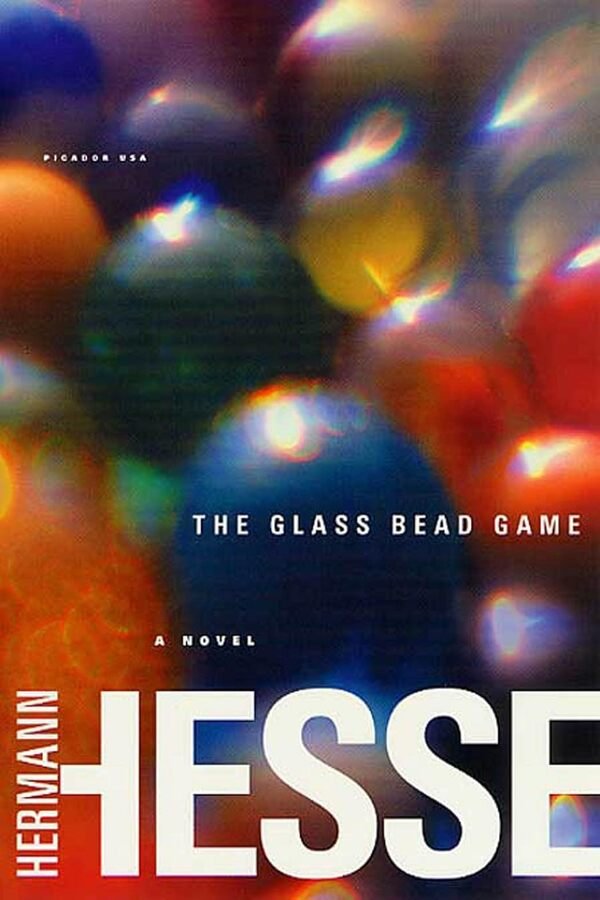
The Glass Bead Game
Le prix initial était : 390 MAD.165 MADLe prix actuel est : 165 MAD.
Experience Hermann Hesse’s timeless masterpiece, a profound exploration of knowledge, art, and spirituality. Shop this original physical book at Mabooko and enjoy free shipping and cash on delivery anywhere in Morocco.
Rupture de stock
Authors


Description
The Glass Bead Game is the crowning achievement and final novel by the Nobel Prize-winning German author Hermann Hesse. Set centuries in the future within the fictional province of Castalia, this masterpiece offers a profound exploration of intellect, spirituality, and the human quest for ultimate meaning. If you are looking to immerse yourself in one of the most significant works of twentieth-century literature, this visionary novel is an essential addition to your bookshelf. Available now at Mabooko, your premier online bookstore in Morocco, you can easily secure your original physical copy with the convenience of Paiement à la livraison. et Free Shipping to all cities.
Table of Contents
Mastering the Game of Knowledge
In this rich and intricate narrative, Hermann Hesse introduces us to Joseph Knecht, a highly gifted student who is raised in Castalia—a utopian society dedicated purely to the life of the mind. At the heart of this intellectual world lies the titular game, an elusive and highly complex synthesis of music, mathematics, philosophy, and art. As Knecht rises through the ranks to eventually become the Magister Ludi, or Master of the Game, he begins to grapple with profound existential questions. He realizes that a life isolated in an ivory tower of pure intellect might lack the essential, vibrant connection to the unpredictable realities of the outside world.
Through Knecht’s journey, Hesse brilliantly explores the tension between intellectual asceticism and active participation in the real world. The Glass Bead Game challenges readers to reflect on the purpose of education, the responsibilities of scholars, and how art and science can be unified to achieve spiritual enlightenment. It is a deeply philosophical novel that continues to resonate with modern readers seeking synthesis and harmony in an increasingly fragmented world.
Why You Should Read This Masterpiece
Awarded the Nobel Prize in Literature shortly after its publication, this monumental book stands as a testament to Hesse’s genius. It is not just a novel; it is an immersive experience that provokes deep thought and self-reflection. The beautiful prose and timeless themes make it a rewarding challenge for anyone passionate about classical literature and philosophy.
When you purchase your copy of The Glass Bead Game from Mabooko, you are guaranteed to receive a pristine, high-quality edition. We are dedicated to providing avid readers across Morocco with an unparalleled shopping experience. You never have to worry about complicated online payments, as we offer secure Paiement à la livraison. alongside fast, Free Shipping directly to your door. Elevate your personal library and embark on Joseph Knecht’s intellectual journey by ordering this legendary book today.
Avis (0)
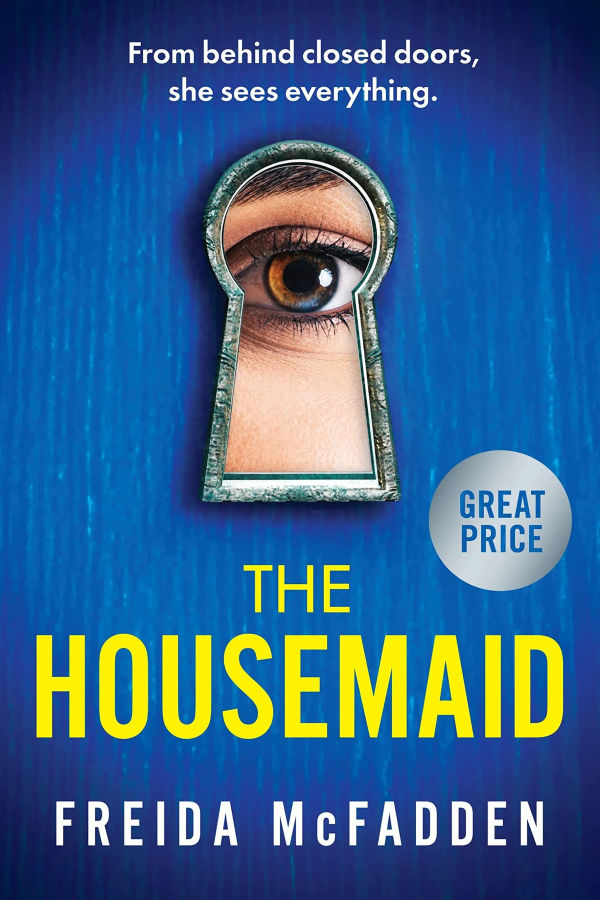
Le prix initial était : 285 MAD.120 MADLe prix actuel est : 120 MAD.
The Housemaid – Book 1
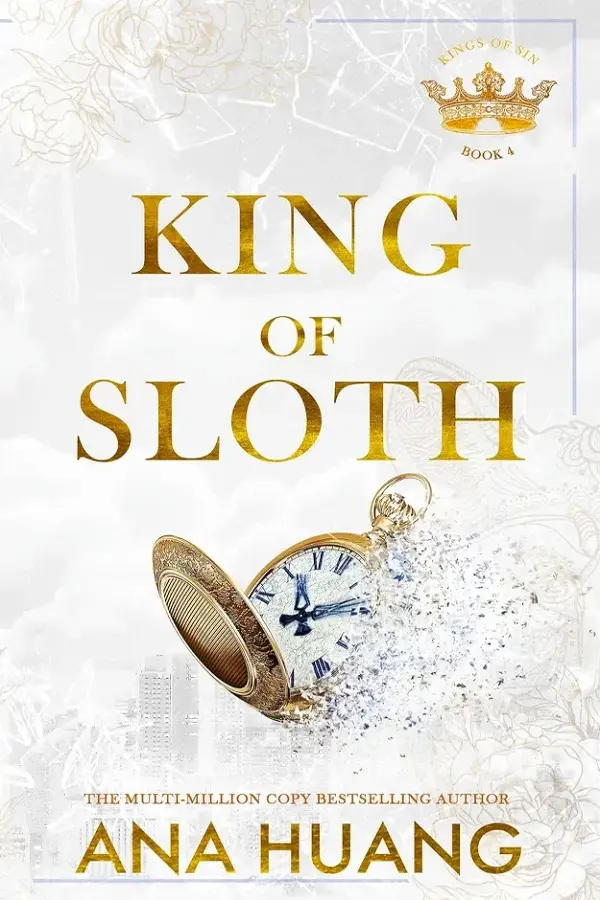
Le prix initial était : 325 MAD.145 MADLe prix actuel est : 145 MAD.
King of Sloth

Le prix initial était : 165 MAD.85 MADLe prix actuel est : 85 MAD.
Open Water

Le prix initial était : 185 MAD.90 MADLe prix actuel est : 90 MAD.
I Who Have Never Known Men

Le prix initial était : 790 MAD.265 MADLe prix actuel est : 265 MAD.
The Brothers Karamazov
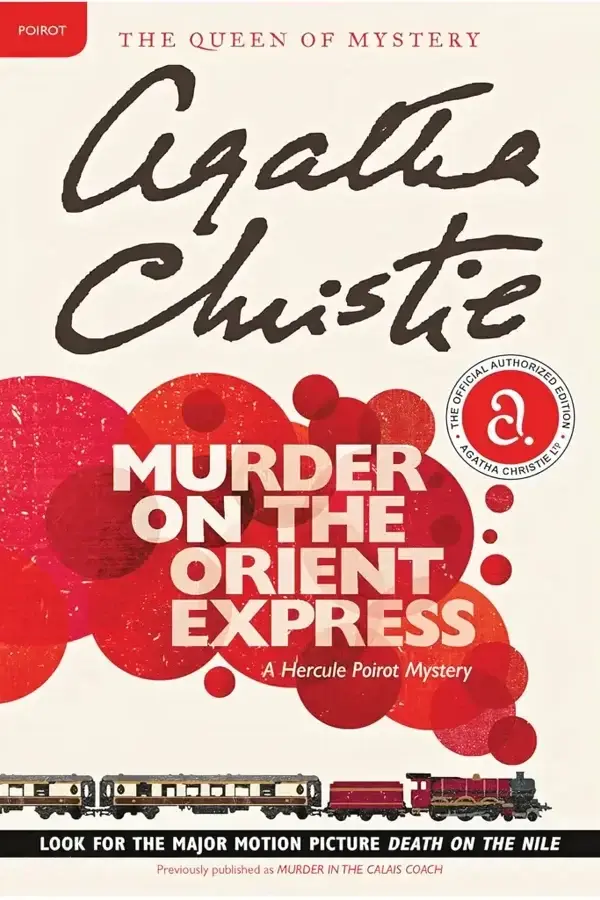
Le prix initial était : 255 MAD.110 MADLe prix actuel est : 110 MAD.
Murder on the Orient Express
Le prix initial était : 270 MAD.130 MADLe prix actuel est : 130 MAD.
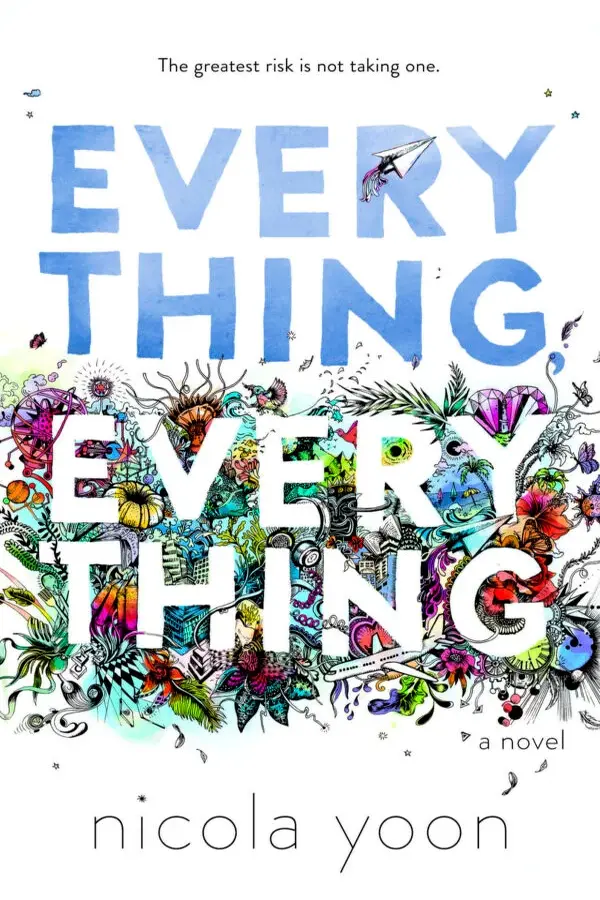
Everything, Everything

Le prix initial était : 410 MAD.155 MADLe prix actuel est : 155 MAD.
Fourth Wing (The Empyrean Book 1)

Le prix initial était : 310 MAD.125 MADLe prix actuel est : 125 MAD.
Iron in the Soul

Le prix initial était : 475 MAD.175 MADLe prix actuel est : 175 MAD.
A Love Letter to Whiskey
Le prix initial était : 420 MAD.160 MADLe prix actuel est : 160 MAD.
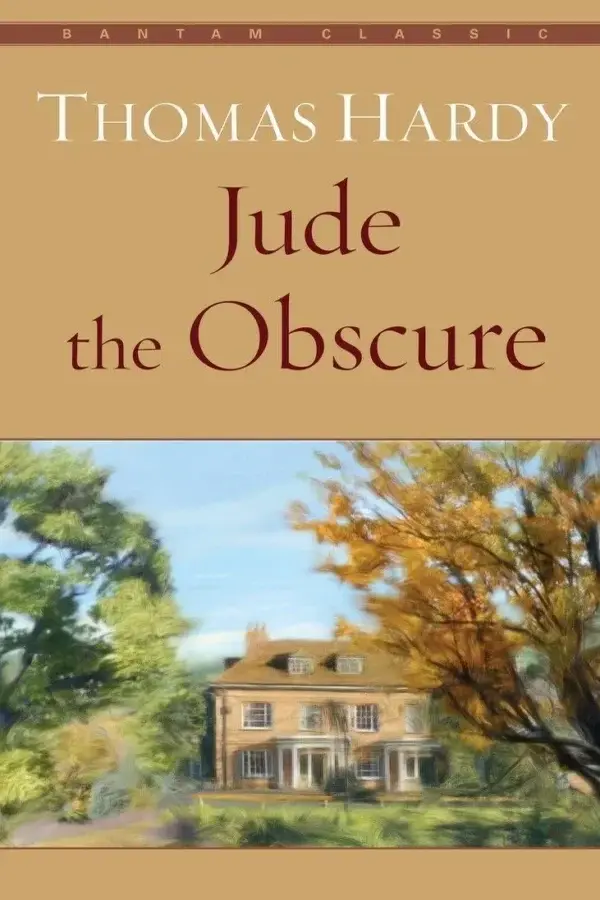
Jude the Obscure

Le prix initial était : 465 MAD.170 MADLe prix actuel est : 170 MAD.
Allegiant
Le prix initial était : 400 MAD.150 MADLe prix actuel est : 150 MAD.
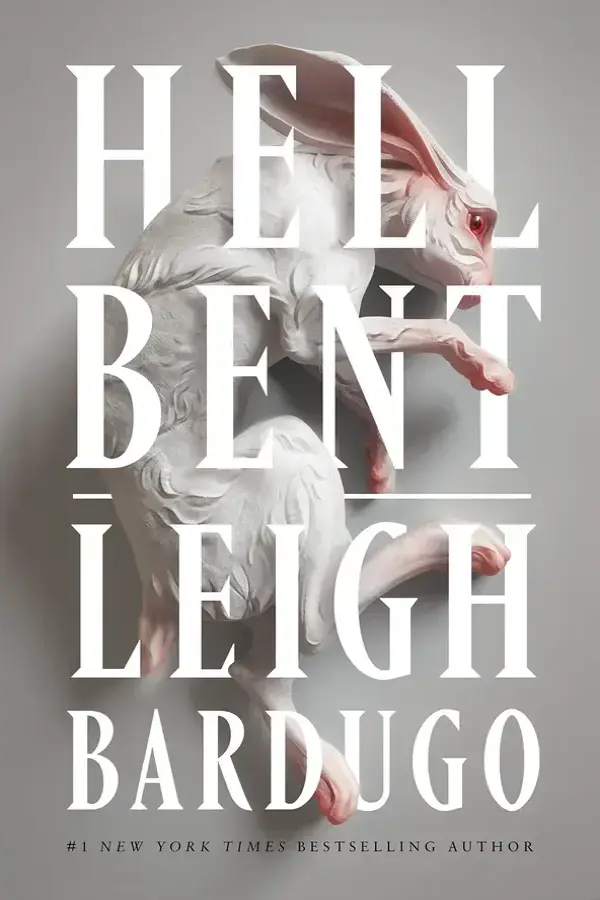
Hell Bent

Le prix initial était : 185 MAD.90 MADLe prix actuel est : 90 MAD.
Asleep

Le prix initial était : 165 MAD.85 MADLe prix actuel est : 85 MAD.

Avis
Il n’y a pas encore d’avis.