
Votre panier est vide.

Sale
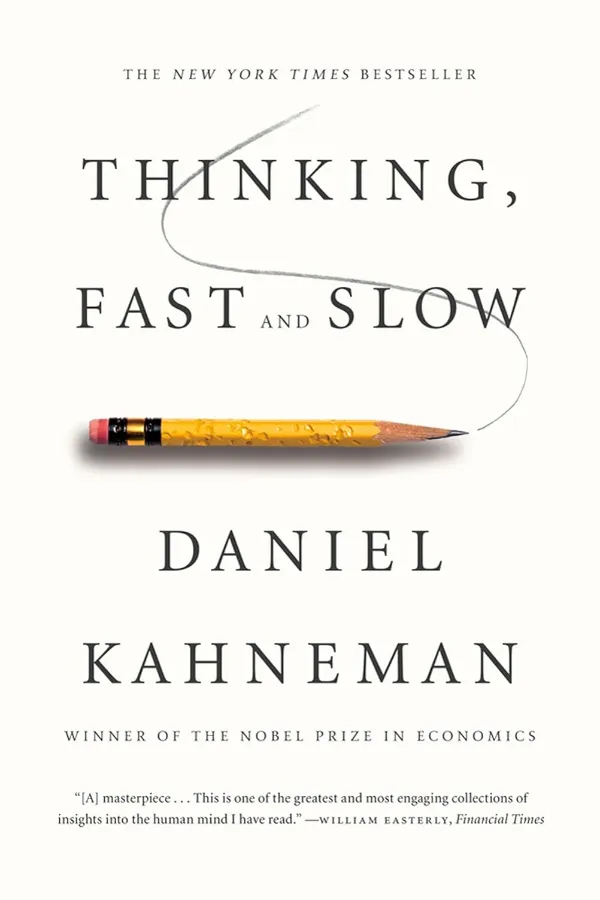
Thinking, Fast And Slow
Le prix initial était : 410 MAD.155 MADLe prix actuel est : 155 MAD.
Thinking, Fast and Slow Morocco edition is the definitive guide to understanding how the human mind works. Nobel laureate Daniel Kahneman explores the two systems that drive our thoughts. Get your original copy at Mabooko with Free Shipping and Cash on Delivery in Morocco.
Authors


Description
Thinking, Fast and Slow Morocco is a profound exploration of the dual-system mind that has revolutionized our understanding of human behavior and decision-making. Written by Daniel Kahneman, a winner of the Nobel Prize in Economics, this masterpiece distills decades of research into a compelling narrative that explains why we make the choices we do. At Mabooko, we are proud to offer this essential text to our readers in Morocco, providing 100% original books for students, professionals, and lifelong learners.
Table of Contents
- Understanding System 1 and System 2
- Cognitive Biases and Everyday Decisions
- The Impact of Prospect Theory
- Why Buy Original Books from Mabooko?
- Shipping and Cash on Delivery in Morocco
The Two Systems of Thought: Thinking, Fast and Slow Morocco
The core of Thinking, Fast and Slow Morocco lies in the distinction between two systems in our brain. System 1 operates automatically and quickly, with little or no effort and no sense of voluntary control. It is the system that allows you to detect hostility in a voice or complete the phrase “bread and…” without thinking. System 2, on the other hand, allocates attention to the effortful mental activities that demand it, such as complex calculations or maintaining focus in a noisy room. Kahneman explains how these two systems interact—and how they often come into conflict.
For readers in Morocco, understanding these systems is vital for personal and professional growth. Whether you are navigating the business world in Casablanca or studying in Rabat, recognizing when your intuitive System 1 is leading you toward a “cognitive illusion” can save you from costly mistakes. System 2 is often lazy, allowing System 1 to take the lead even when a logical approach is required. This book provides the tools to engage your deliberate mind more effectively, making it a cornerstone of behavioral science literature.
Mastering Human Intuition and Cognitive Biases
A significant portion of the book is dedicated to the biases that plague our judgment. From the anchoring effect to the availability heuristic, Kahneman demonstrates how our minds take shortcuts that lead to predictable errors. By reading Thinking, Fast and Slow Morocco, you will learn to identify these traps in your own life. This isn’t just academic theory; it’s a practical manual for better living. Kahneman’s insights into overconfidence and the “planning fallacy” are particularly relevant for entrepreneurs and decision-makers looking to sharpen their strategic thinking.
The Revolutionary Impact of Prospect Theory
Kahneman, along with his late colleague Amos Tversky, developed Prospect Theory—a groundbreaking model that explains how people choose between probabilistic alternatives involving risk. It challenges the traditional economic view of the “rational agent” and reveals how our fear of loss is much stronger than our hope for gain. This theory is a major reason Kahneman was awarded the Nobel Prize, and its applications in finance, marketing, and public policy are vast. Owning an original copy ensures you have the complete, detailed diagrams and references needed to fully grasp these complex but rewarding concepts.
Get Your Original Copy from Mabooko
When you shop at Mabooko, you are guaranteed to receive an original book. In a world full of low-quality reprints, we understand that for a book as dense and important as this, readability is key. Our editions feature high-quality paper and clear typography, making your study sessions more comfortable. We are committed to fostering a reading culture in Morocco by providing only authentic international editions that respect the author’s work and the reader’s eyes.
Free Shipping and Cash on Delivery to All Moroccan Cities
At Mabooko, customer satisfaction is our top priority. We offer Free Shipping on every order, ensuring that high-level education and personal development remain affordable. No matter where you are located—from Tangier to Agadir—we will bring this intellectual treasure to your doorstep. For your peace of mind, we also offer Paiement à la livraison., so you can pay for your book only when you have it in your hands. Don’t miss out on the opportunity to transform your cognitive process. Order your copy of Thinking, Fast and Slow Morocco today and join the thousands of Moroccan readers who are upgrading their mental software with Mabooko.
Avis (0)

Le prix initial était : 325 MAD.140 MADLe prix actuel est : 140 MAD.
The Let Them Theory

Le prix initial était : 299 MAD.150 MADLe prix actuel est : 150 MAD.
Never Finished

Le prix initial était : 220 MAD.100 MADLe prix actuel est : 100 MAD.
Inward
Le prix initial était : 210 MAD.95 MADLe prix actuel est : 95 MAD.
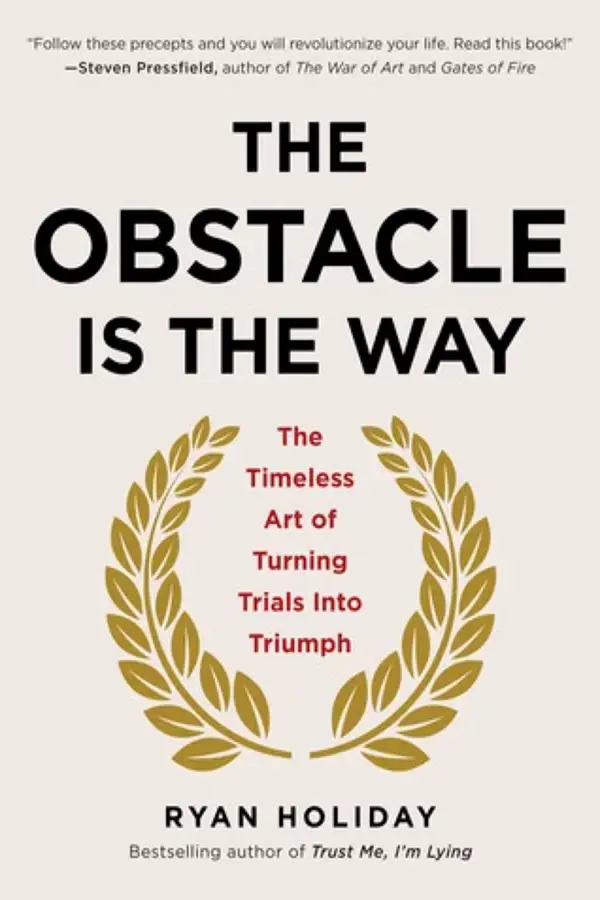
The Obstacle Is the Way: The Timeless Art of Turning Trials into Triumph

Le prix initial était : 425 MAD.160 MADLe prix actuel est : 160 MAD.
The World As Will And Representation, Volume I

Le prix initial était : 310 MAD.125 MADLe prix actuel est : 125 MAD.
The Pivot Year

Le prix initial était : 150 MAD.80 MADLe prix actuel est : 80 MAD.
Eat That Frog!

Le prix initial était : 230 MAD.105 MADLe prix actuel est : 105 MAD.
Warrior Mindset: Mental Toughness Skills for a Nation’s Peacekeepers

Le prix initial était : 180 MAD.105 MADLe prix actuel est : 105 MAD.
How the Body Works: The Facts Simply Explained
Le prix initial était : 380 MAD.165 MADLe prix actuel est : 165 MAD.
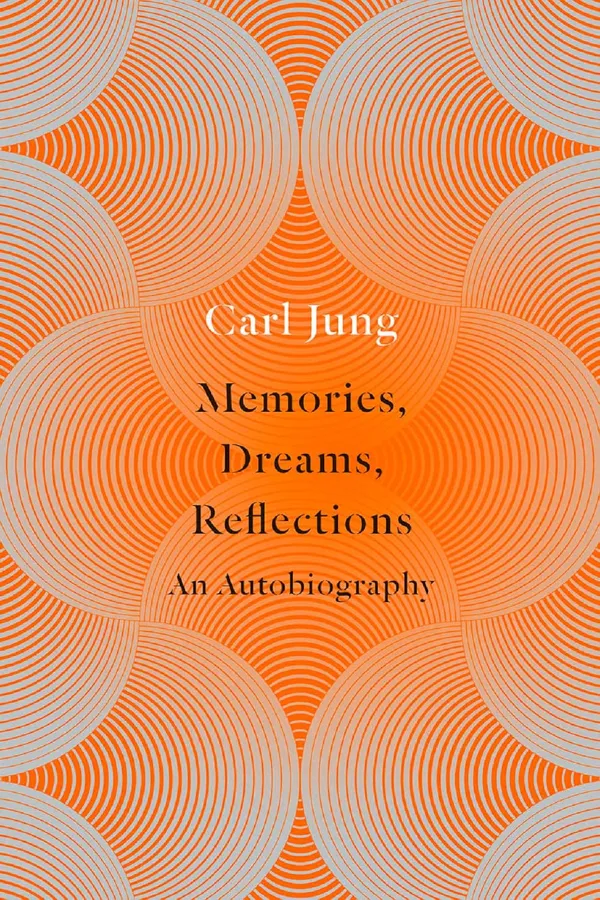
Memories, Dreams, Reflections
Le prix initial était : 140 MAD.90 MADLe prix actuel est : 90 MAD.
Think Like A Grandmaster

Le prix initial était : 230 MAD.105 MADLe prix actuel est : 105 MAD.
Badass Habits

Le prix initial était : 100 MAD.60 MADLe prix actuel est : 60 MAD.
As A Man Thinketh
Le prix initial était : 195 MAD.95 MADLe prix actuel est : 95 MAD.
Créativité
Le prix initial était : 310 MAD.125 MADLe prix actuel est : 125 MAD.

Avis
Il n’y a pas encore d’avis.