
Votre panier est vide.

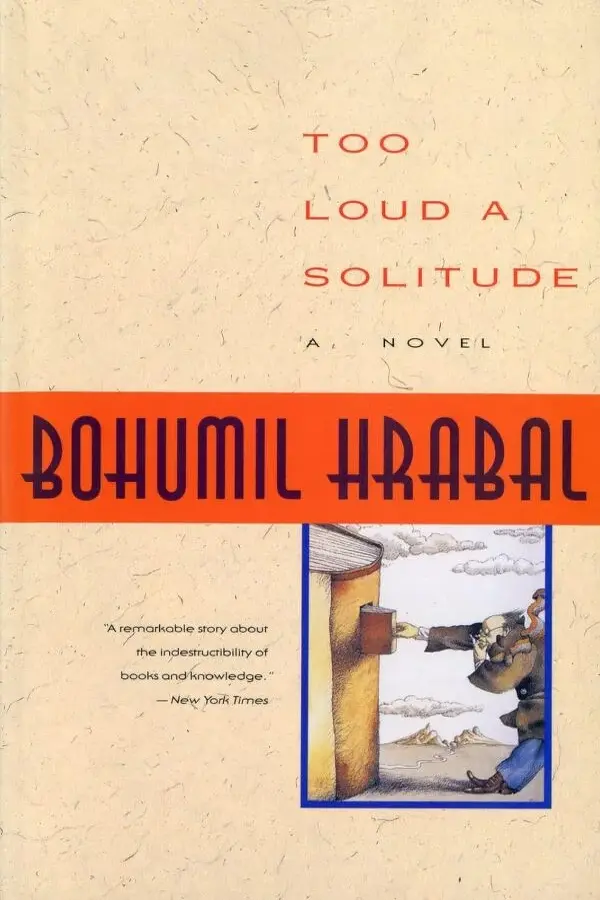
Too Loud a Solitude
75,00 DH
Un vieil homme détruit des livres dans un sous-sol sombre mais en sauve certains avec un amour fou. Entre l'humidité et les rats, la connaissance se transforme en une évasion secrète de l'emprise du pouvoir. 35 ans de travail routinier créent une étrange relation avec les mots et le papier. La technologie remplace l'homme, mais rien ne remplace l'âme. Un roman sur l'oppression et la résistance, sur la perte et la découverte dans les coins oubliés du monde. Un langage satirique triste redéfinit la solitude comme un espace de contemplation et de rébellion. Un petit livre mais qui porte un long écho de la lutte de l'homme avec l'histoire. 3 points de lumière au bout du tunnel : 📚🗝🕯
Authors

Description
The novel “Too Loud a Solitude” deals with the life of an old man who works destroying books with a hydraulic machine in a dark basement, but he saves some of them from destruction and turns them into a secret library. As Prague goes through political and social changes, this old man turns into a symbol of the conflict between man and authority, and between preserving knowledge and attempts to obliterate it. The novel shows how routine work becomes a source of philosophical and spiritual reflections, where it combines black humor and nostalgia for the past.
Hrabal uses a language that combines simplicity and depth, where the narrator’s memories intertwine with quotations from the books that he destroyed or loved, showing how words shape human identity even under oppression. The novel is not just a story about books, but about the conflict between beauty and destruction, between the soul and the mechanical mind.
Despite the brevity of the novel, it carries a heavy intellectual weight, and is classified as one of the most important literary works of the twentieth century. The world’s newspapers criticized the novel as a cry against indifference, and a document about the complex relationship between man and power. The novel also reflects the writer’s personal experience under the communist regime, where he himself faced censorship and the banning of many of his works.
The novel provides a unique view of how solitude can be filled with internal noise, where thoughts and memories clash in the narrator’s mind. The book-grinding machine turns into a symbol of the systems that try to eradicate history, while the little man remains a witness and defender of memory.
Avis (0)

Le prix initial était : 240,00 د.م..105,00 DHLe prix actuel est : 105,00 د.م..
And Then There Were None
150,00 DH
A Christmas Carol
145,00 DH
The Reprieve

Le prix initial était : 155,00 د.م..80,00 DHLe prix actuel est : 80,00 د.م..
The Fall

Le prix initial était : 310,00 د.م..125,00 DHLe prix actuel est : 125,00 د.م..
Iron in the Soul

Choix des options
Ce produit a plusieurs variations. Les options peuvent être choisies sur la page du produit
Plage de prix : 90,00 د.م. à 130,00 د.م.
The Double
Choix des options
Ce produit a plusieurs variations. Les options peuvent être choisies sur la page du produit
60,00 DH
The White Nights


260,00 DH
The Cicero Trilogy
Le prix initial était : 150,00 د.م..80,00 DHLe prix actuel est : 80,00 د.م..
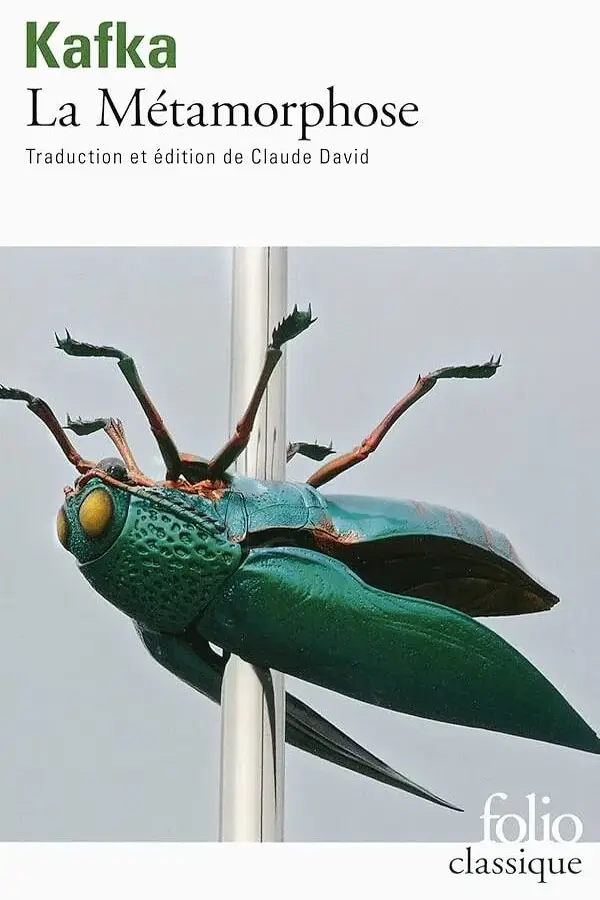
La Métamorphose
Le prix initial était : 275,00 د.م..115,00 DHLe prix actuel est : 115,00 د.م..
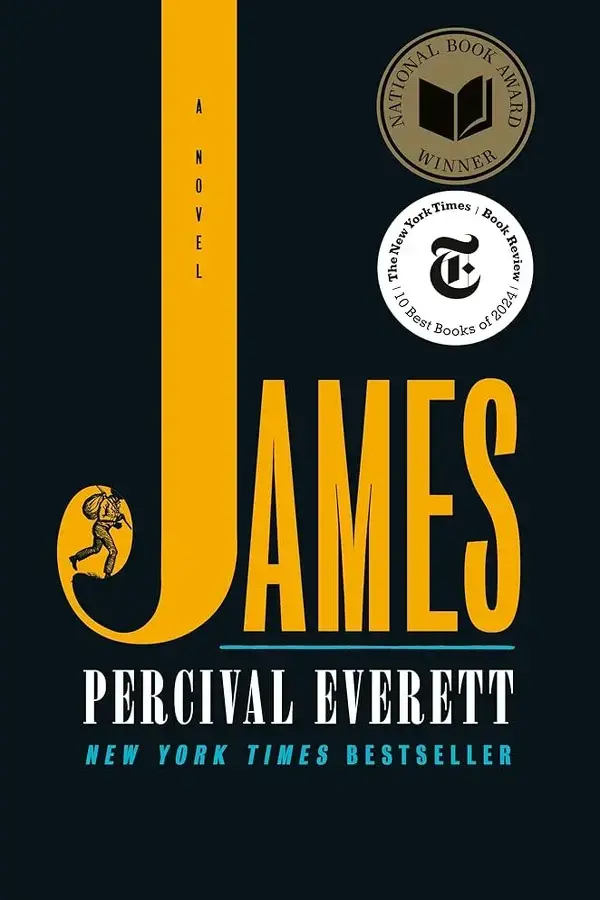
James
Choix des options
Ce produit a plusieurs variations. Les options peuvent être choisies sur la page du produit
Plage de prix : 85,00 د.م. à 105,00 د.م.
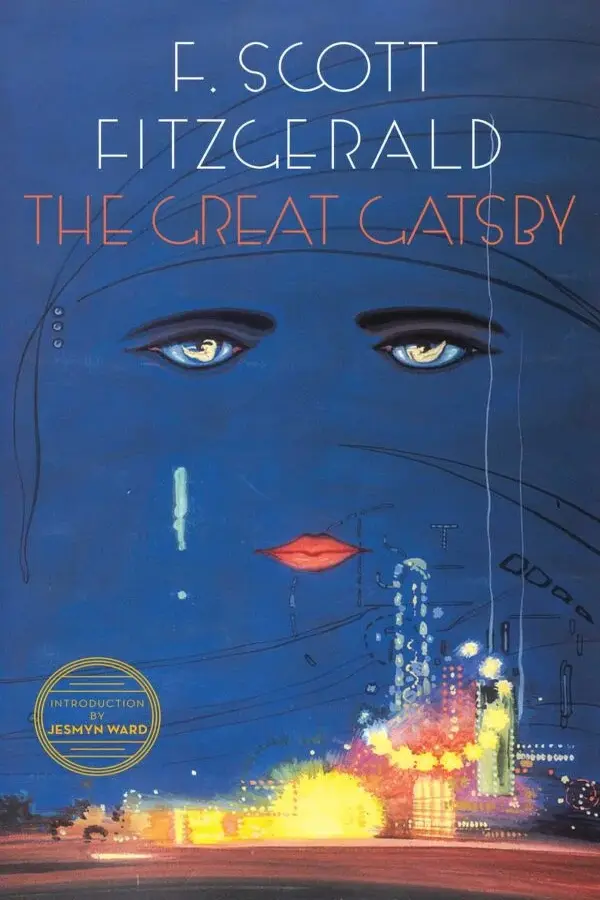
The Great Gatsby
Le prix initial était : 120,00 د.م..70,00 DHLe prix actuel est : 70,00 د.م..
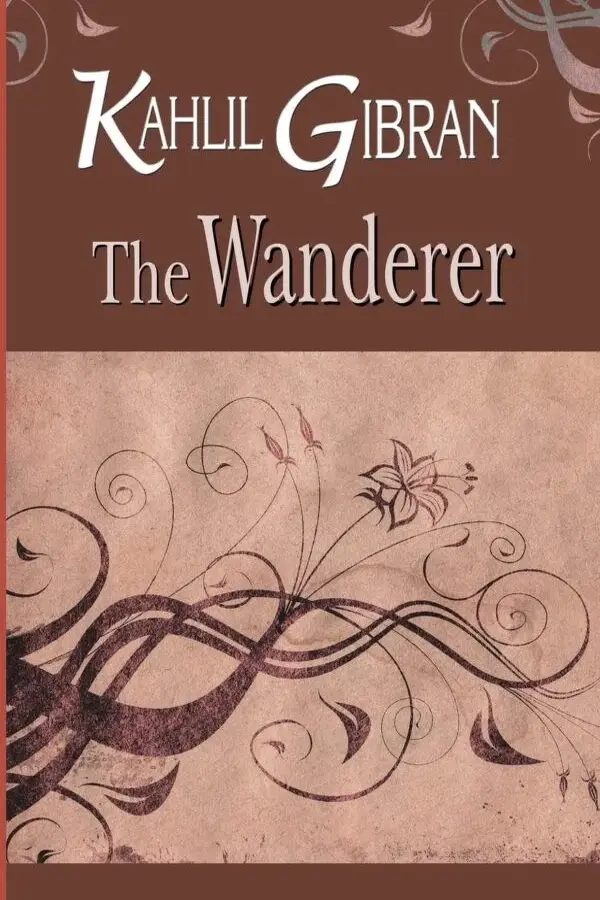
The Wanderer

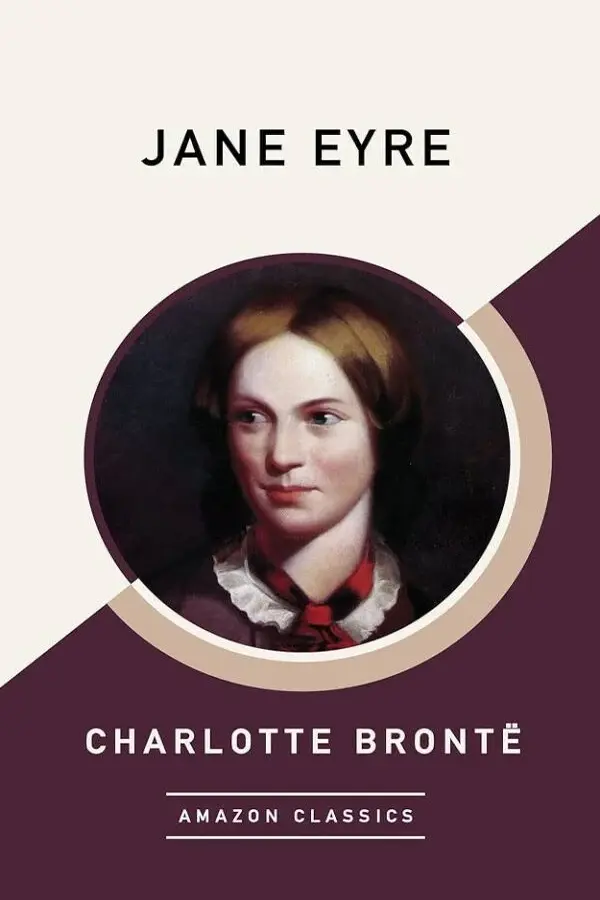
150,00 DH
Jane Eyre
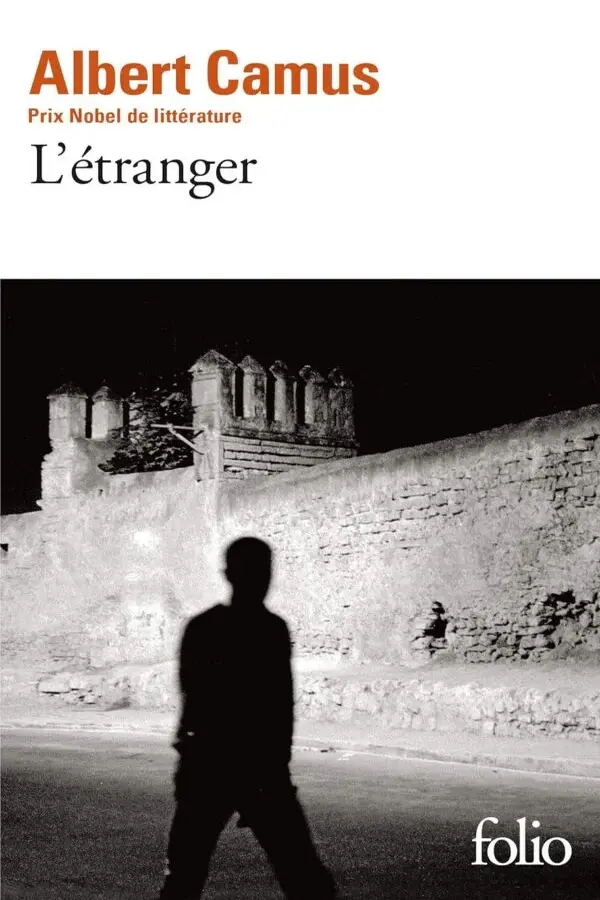
Le prix initial était : 165,00 د.م..85,00 DHLe prix actuel est : 85,00 د.م..

Avis
Il n’y a pas encore d’avis.