
Votre panier est vide.


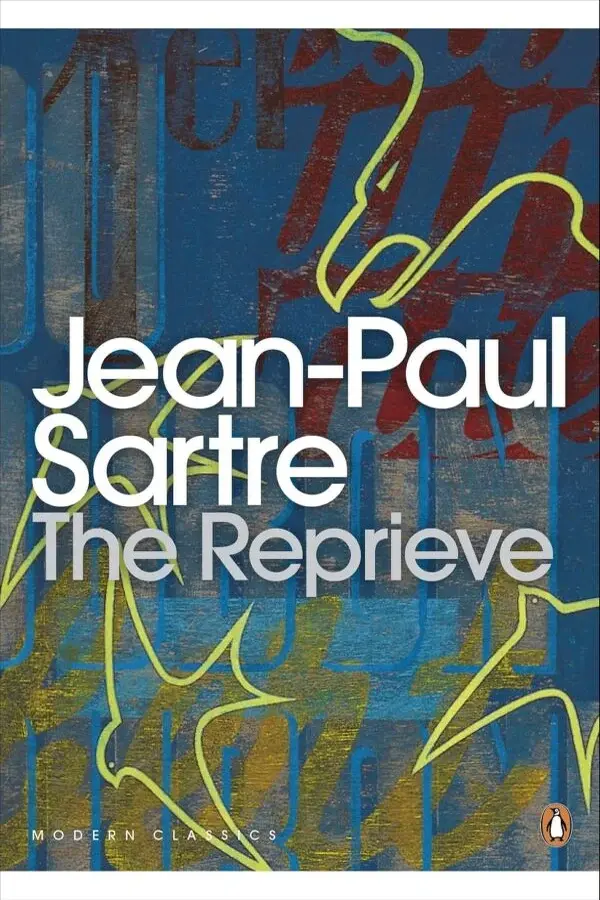
Nausea
90,00 DH
A philosopher’s descent into existential crisis, Nausea dissèque la fragilité du but humain à travers une prose austère et une introspection obsédante. Le voyage de Roquentin confronte l'absurdité brute de la vie, de l'amour et de l'art. Le classique de Sartre pose la question : Pouvons-nous trouver un sens dans un univers qui n'en offre aucun ? Une pierre angulaire de la pensée existentialiste.
🕵️♂️📖🌌
Authors


Description
Nausea follows Antoine Roquentin, a historian living in the fictional French town of Bouville, as he grapples with a sudden, overwhelming sense of existential dread. His meticulously ordered life unravels when he begins experiencing “nausea” — a visceral reaction to the absurdity of existence. Sartre uses Roquentin’s journal entries to explore themes of alienation, freedom, and the meaninglessness of human constructs. The novel’s stream-of-consciousness style mirrors the protagonist’s spiraling thoughts, making readers question their own perceptions of reality. Roquentin’s encounters with mundane objects, like a pebble or a bartender’s purple suspenders, become profound confrontations with the “stuffness” of the world. The story climaxes as he contemplates writing a novel to reclaim agency, only to realize that creation itself is an act of defiance against existential void.
Avis (0)
125,00 DH
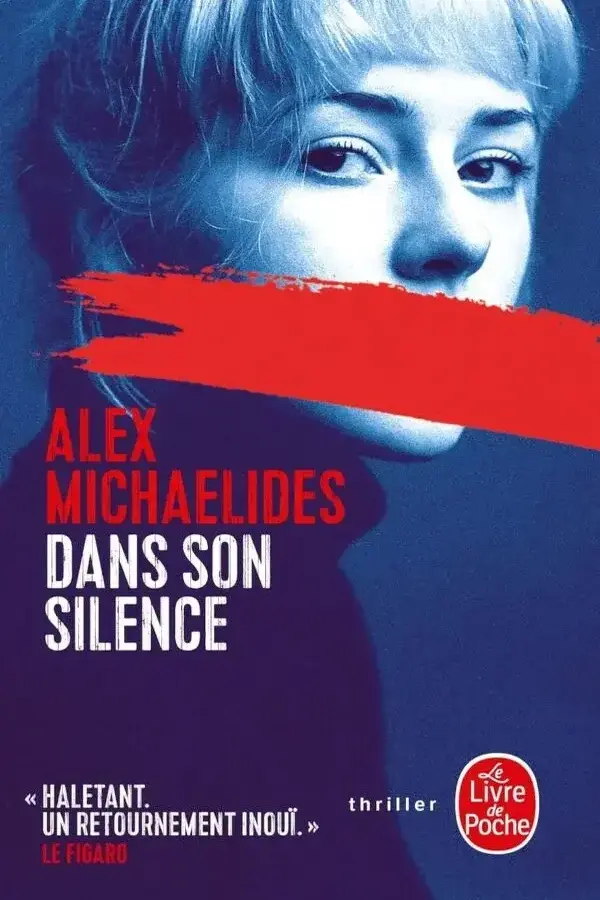
Dans son silence
Le prix initial était : 370,00 د.م..140,00 DHLe prix actuel est : 140,00 د.م..
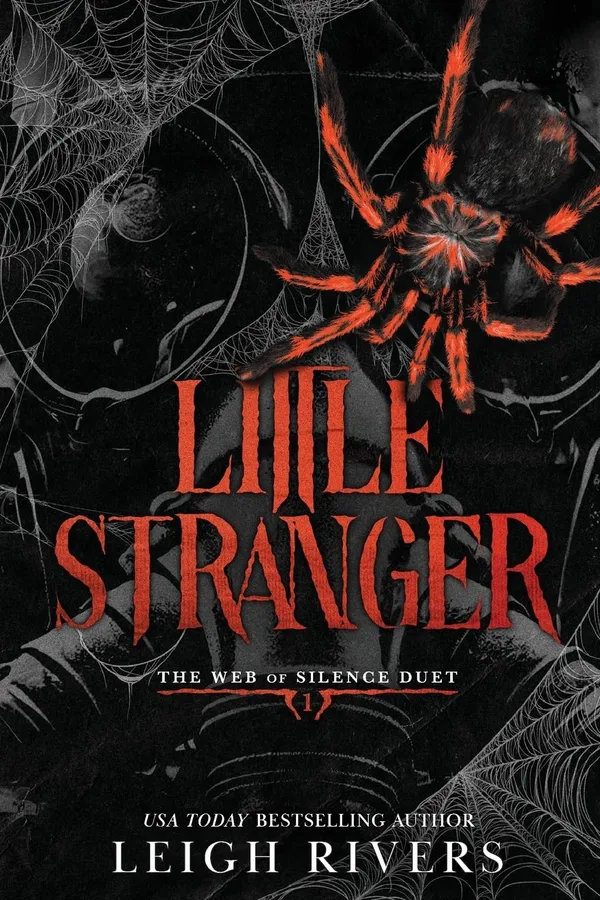
Little Stranger: A Dark Taboo Romance (The Web Of Silence Duet Book 1)

Choix des options
Ce produit a plusieurs variations. Les options peuvent être choisies sur la page du produit
Plage de prix : 90,00 د.م. à 130,00 د.م.
The Double

Le prix initial était : 310,00 د.م..125,00 DHLe prix actuel est : 125,00 د.م..
Daughter of the Deep

Choix des options
Ce produit a plusieurs variations. Les options peuvent être choisies sur la page du produit
Plage de prix : 85,00 د.م. à 90,00 د.م.
Kitchen

Le prix initial était : 340,00 د.م..135,00 DHLe prix actuel est : 135,00 د.م..
My Other Half

Le prix initial était : 160,00 د.م..95,00 DHLe prix actuel est : 95,00 د.م..
Diary of a Void

Le prix initial était : 185,00 د.م..90,00 DHLe prix actuel est : 90,00 د.م..
Asleep


120,00 DH
If He Had Been With Me

Le prix initial était : 390,00 د.م..150,00 DHLe prix actuel est : 150,00 د.م..
Tant Que Fleuriront Les Citronniers
Le prix initial était : 165,00 د.م..85,00 DHLe prix actuel est : 85,00 د.م..
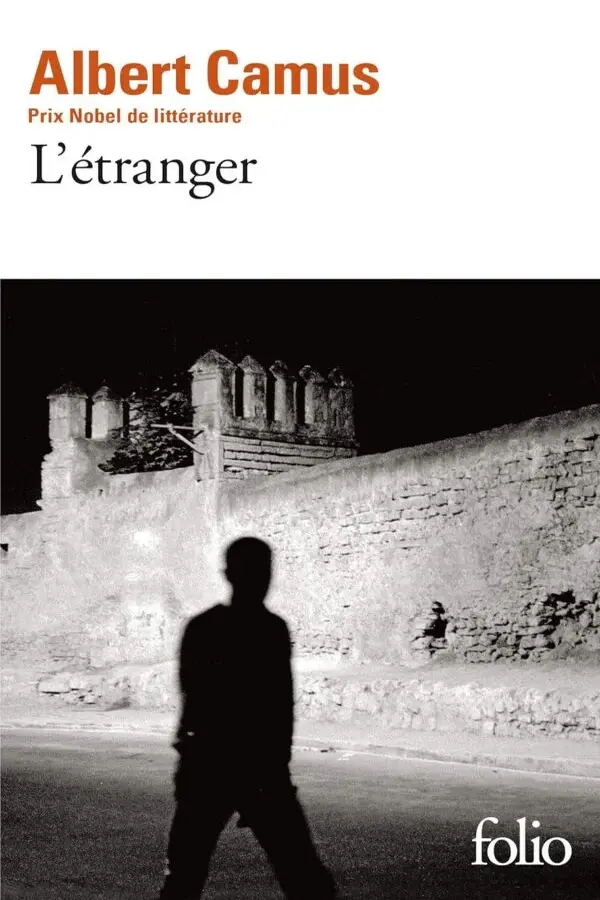
L’Étranger

Le prix initial était : 270,00 د.م..130,00 DHLe prix actuel est : 130,00 د.م..
Everything, Everything

Choix des options
Ce produit a plusieurs variations. Les options peuvent être choisies sur la page du produit
Plage de prix : 60,00 د.م. à 65,00 د.م.
Lettre d’une inconnue
Le prix initial était : 310,00 د.م..125,00 DHLe prix actuel est : 125,00 د.م..

Avis
Il n’y a pas encore d’avis.