
Votre panier est vide.

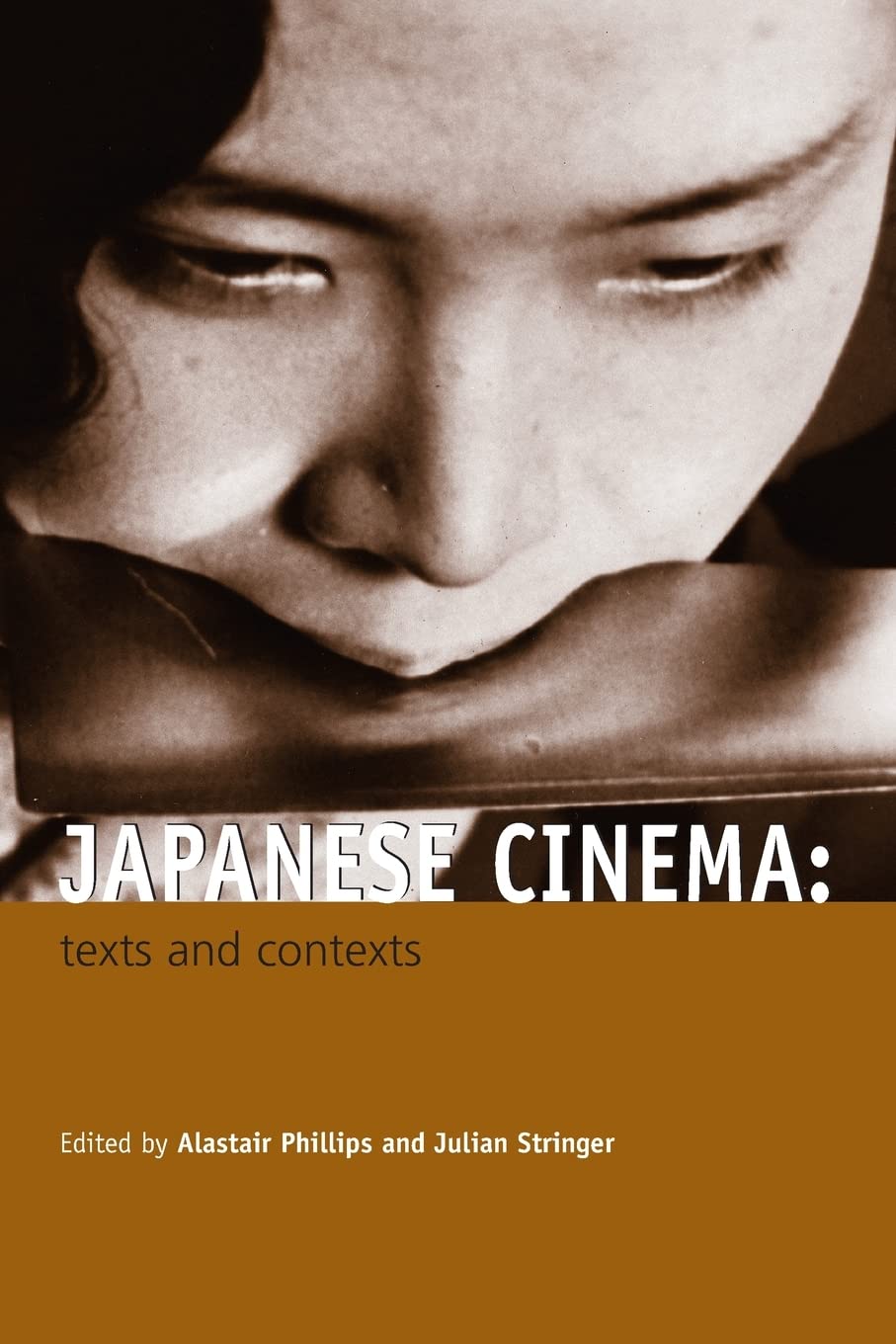
apanese Cinema – Texts and Contexts
130,00 DH
Explorez 24 films japonais emblématiques à travers les décennies.
Rencontrez des réalisateurs légendaires comme Kurosawa, Ozu et Miyazaki.
Comprenez la culture derrière la caméra et à l'écran.
Rempli de perspicacité académique mais facile à lire.
Includes full filmographies, glossary, and bibliography
Great for classrooms, film clubs, or solo study
No spoilers — just context, craft, and curiosity
A must-have for anyone serious about world cinema 🎬🌸📽️
Authors


Description
Dive into the rich and mesmerizing world of Japanese cinema with this carefully curated collection that spans from silent classics to modern masterpieces. Each chapter zeroes in on a landmark film — think Seven Samurai, Late Spring, or Ring — unpacking not just the story and style, but also the cultural, industrial, and historical forces that shaped it. The editors bring together top scholars whose insights reveal how these films reflect and reshape Japanese society, making this more than just a film guide — it’s a cultural time machine.
What sets this book apart is how accessible it is, even when tackling complex ideas. Whether you’re studying Ozu’s quiet domestic dramas or Miyazaki’s animated fantasies, each essay gives you enough context to appreciate why these films matter — without drowning you in academic jargon. The chapters are concise but packed with meaning, perfect for dipping in and out of, or using as springboards for deeper exploration. You’ll finish each one with a new lens for watching — and understanding — Japanese film.
Beyond the films themselves, you’ll get a full filmography for each director covered, plus a helpful glossary of Japanese cinematic terms and a solid bibliography if you want to keep reading. It’s designed to be both a classroom staple and a personal companion for curious viewers. The editors clearly know their stuff, but they also know how to share it in a way that invites you in, whether you’re a total beginner or a seasoned cinephile.
Japanese cinema isn’t just about samurai or ghosts — it’s about human emotion, social change, artistic rebellion, and national identity. This book shows how directors like Kurosawa, Oshima, and Kitano used the screen to ask big questions and push boundaries. You’ll see how war, gender, technology, and globalization left their fingerprints on the films — and how those films, in turn, left their mark on global cinema.
Perfect for students, teachers, or anyone who loves film, this volume doesn’t just tell you what to watch — it helps you see why it’s worth watching. It’s respectful of the art form, curious about its context, and generous with its knowledge. Keep it on your shelf as a reference, or curl up with it like a guidebook before your next movie night. Either way, it’ll deepen your appreciation for one of the world’s most influential and beautiful cinematic traditions.
Avis (0)

Le prix initial était : 300,00 د.م..125,00 DHLe prix actuel est : 125,00 د.م..
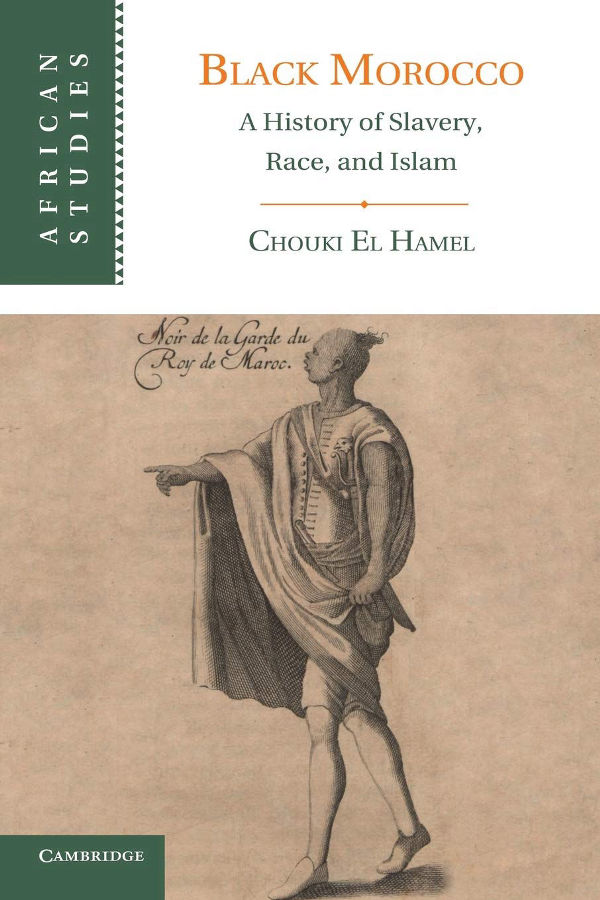
Black Morocco

170,00 DH
The Nightingale
Le prix initial était : 280,00 د.م..115,00 DHLe prix actuel est : 115,00 د.م..
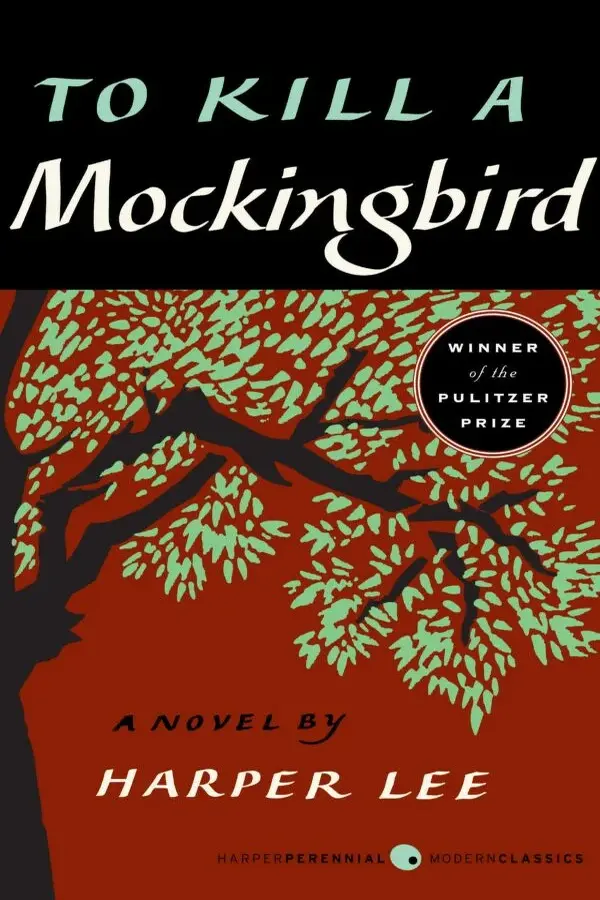
To Kill A Mockingbird
330,00 DH
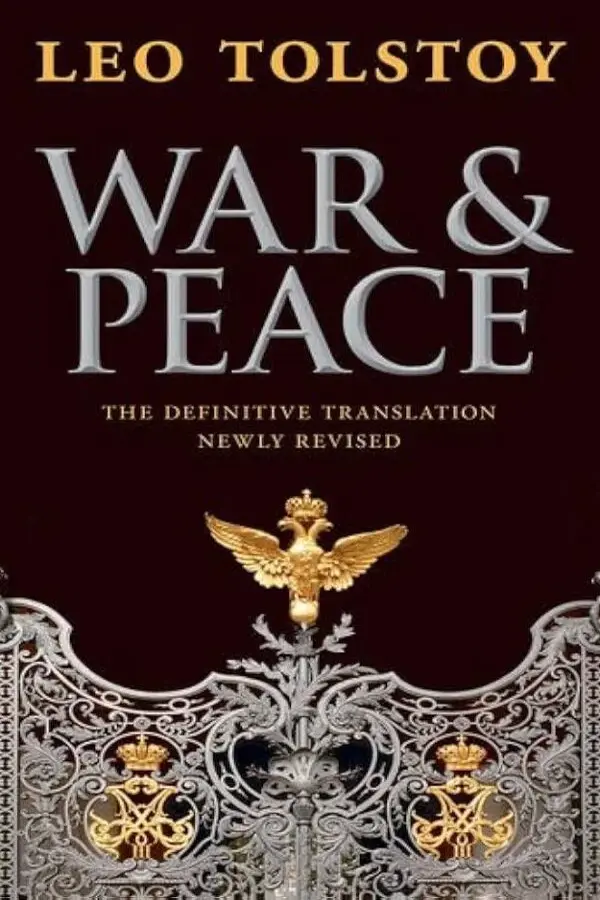
War and Peace

Le prix initial était : 395,00 د.م..125,00 DHLe prix actuel est : 125,00 د.م..
Crime and Punishment


Le prix initial était : 165,00 د.م..85,00 DHLe prix actuel est : 85,00 د.م..
Gisèle Halimi la fauteuse de troubles

Le prix initial était : 375,00 د.م..145,00 DHLe prix actuel est : 145,00 د.م..
The Grapes of Wrath


85,00 DH
الأمازيغ: قصة شعب


100,00 DH
Persuasion


Le prix initial était : 230,00 د.م..115,00 DHLe prix actuel est : 115,00 د.م..

Avis
Il n’y a pas encore d’avis.