
Votre panier est vide.

Sale

The Plague
Le prix initial était : 255 MAD.110 MADLe prix actuel est : 110 MAD.
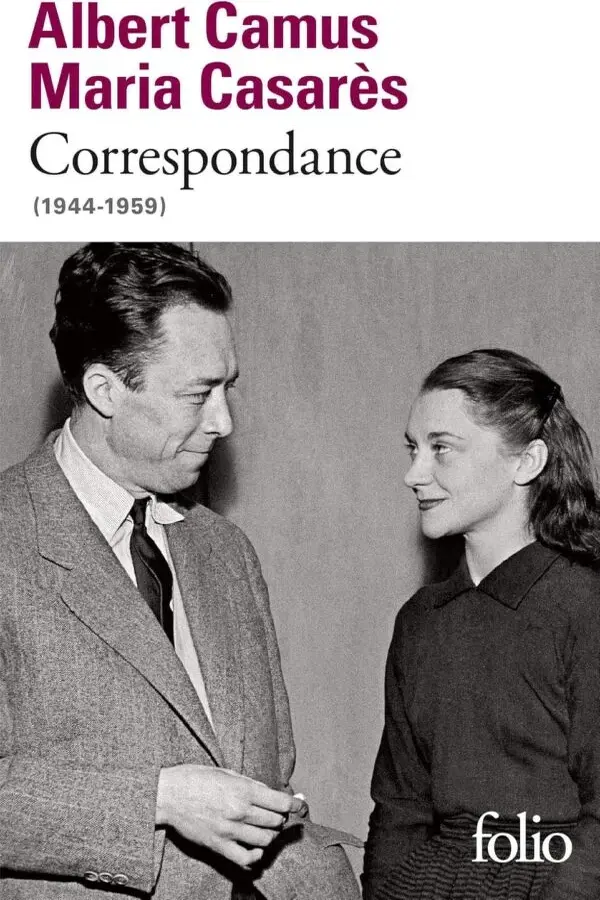
Experience the profound brilliance of The Plague by Albert Camus in Morocco. This haunting tale of a city under quarantine explores the depths of human resilience, solidarity, and the absurdity of life. Order your original copy today from Mabooko and enjoy Free Shipping and Cash on Delivery to all cities.
Rupture de stock
Authors

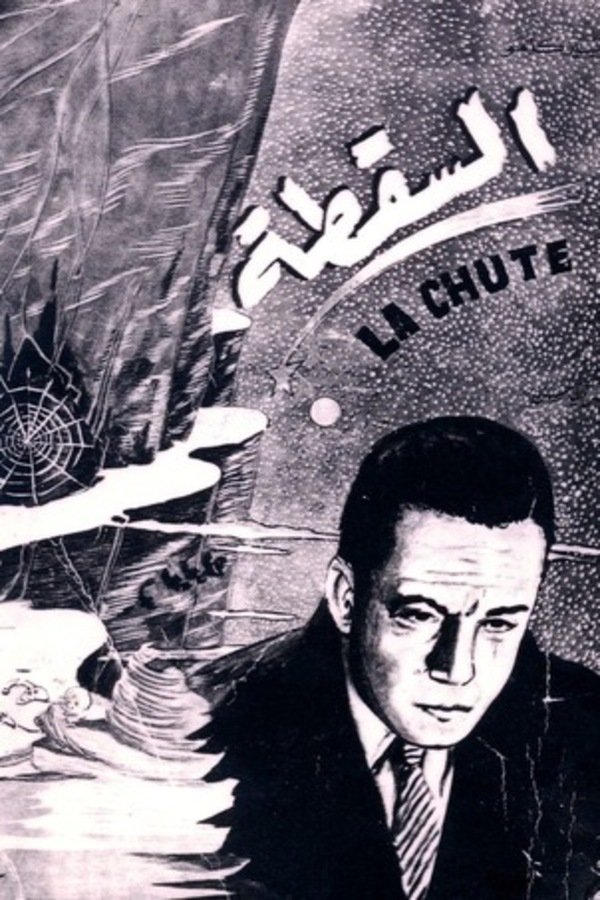
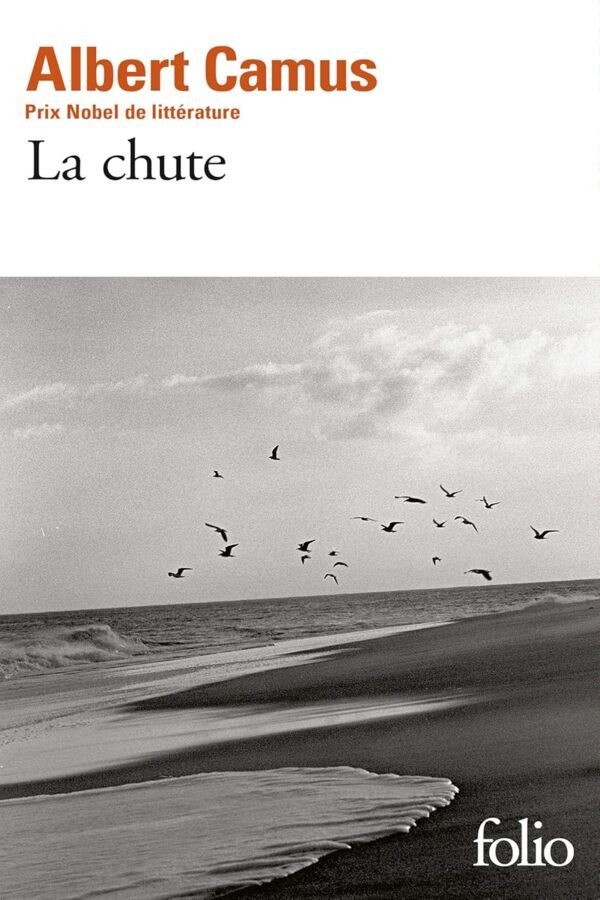
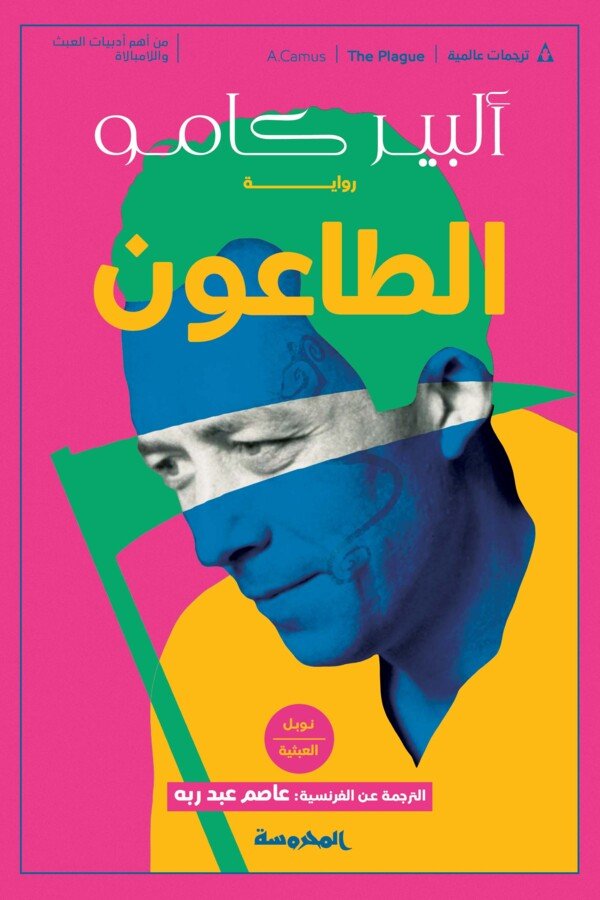
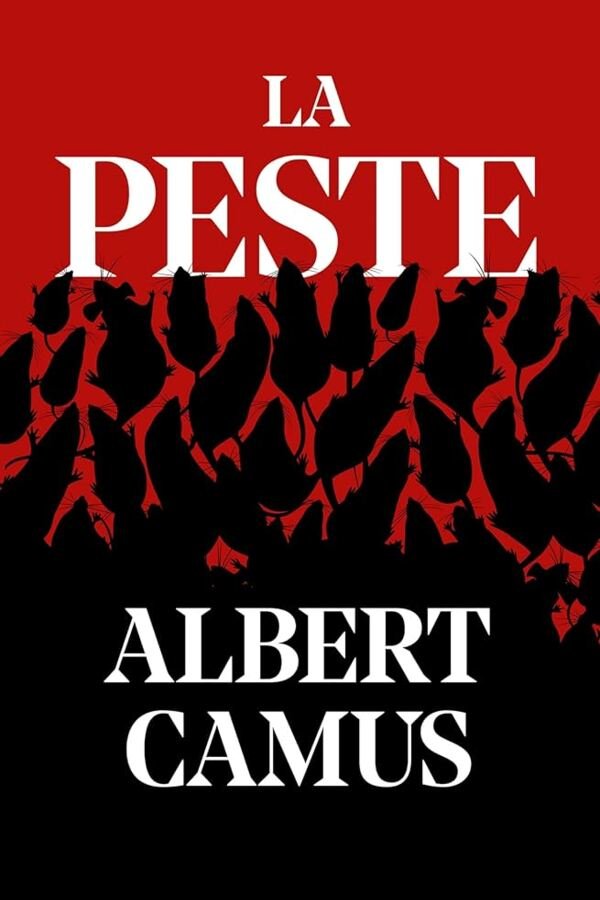



Description
The Plague by Albert Camus Morocco is an essential literary masterpiece that remains as relevant today as it was when it was first published in 1947. Set in the coastal town of Oran, this gripping narrative follows Dr. Bernard Rieux as he struggles to treat a town gripped by a sudden and deadly outbreak of the bubonic plague. Through this vivid story, Camus explores the existential struggles of the human condition and the vital importance of collective action and human decency in the face of overwhelming suffering.
Table of Contents
Why The Plague by Albert Camus Morocco is a Must-Read Classic
In this classic novel, Albert Camus uses the metaphor of a literal plague to examine the philosophical concepts of the “Absurd” and the “Revolt.” As the citizens of Oran deal with sudden isolation and the fear of death, the characters represent various psychological and moral responses to a crisis—ranging from denial and despair to selfless heroism. Reading The Plague by Albert Camus Morocco offers a unique opportunity for local readers to reflect on our own modern world through the lens of one of history’s greatest Nobel Prize-winning authors, whose roots are deeply tied to the North African landscape.
The story is not merely about a medical catastrophe; it is a profound meditation on exile, separation, and the shared human responsibility to fight against the “plague” of indifference. Camus’s writing style is stark and journalistic, yet it carries an emotional weight that captures the claustrophobia of a city under siege. Whether you are a student of philosophy or a lover of high-stakes fiction, this book provides a hauntingly beautiful exploration of what it means to be human in an indifferent universe.
A Masterclass in Existentialist Thought and Solidarity
Albert Camus, an Algerian-born French philosopher, wrote this book with an intimate understanding of the Mediterranean atmosphere, making it a particularly resonant read for our audience here in Morocco. The setting of Oran comes to life with Camus’ descriptive prose, capturing the intense heat, the smell of the sea, and the growing silence of a town locked away from the world. By purchasing The Plague by Albert Camus Morocco, you are engaging with a work that shaped 20th-century thought and continues to inspire readers to find meaning through service to others.
The characters, such as the journalist Rambert and the mysterious Jean Tarrou, each provide a different perspective on morality. Rambert initially seeks to escape to find his lover, but eventually realizes that he cannot be happy alone while others suffer. Tarrou, on the other hand, seeks to be a “saint without God,” finding purpose in volunteering for the sanitary squads. These character arcs demonstrate Camus’s belief that while life may be inherently “absurd,” our response to that absurdity should be one of defiance through kindness and duty.
Why Choose Mabooko for Your Original Books?
At Mabooko, we believe that high-quality literature should be accessible to every reader in the kingdom. We specialize in providing only 100% original books, ensuring that the physical quality of your reading experience matches the intellectual quality of the content. When you choose to buy your copy of The Plague from us, you are guaranteed an authentic edition that preserves the integrity of the author’s work, free from the typos and poor printing often found in counterfeit copies.
Our mission is to foster a vibrant reading culture in Morocco by making the ordering process as simple, reliable, and professional as possible. We carefully curate our collection to include both modern bestsellers and timeless classics like the works of Camus, ensuring that our customers have access to the best literature the world has to offer.
Free Shipping and Cash on Delivery to All Cities in Morocco
Mabooko is dedicated to providing an exceptional and stress-free shopping experience for all our customers across the country. We offer several unique benefits to ensure your total satisfaction:
- Free Shipping: We provide free delivery to all cities in Morocco, including Casablanca, Rabat, Marrakesh, Tangier, Agadir, and even the smallest towns. The price you see is the price you pay.
- Cash on Delivery: You don’t need a credit card or complex online banking to shop with us. Simply place your order through our website and pay in cash only when the book reaches your doorstep.
- Guaranteed Originality: We never sell replicas or low-quality prints. Every book in our inventory is a genuine, publisher-authorized edition.
Don’t wait to add this timeless pillar of world literature to your personal library. Order your copy of The Plague by Albert Camus Morocco today and experience the premium service that has made Mabooko the favorite online bookstore for readers across the nation.
Avis (0)

Le prix initial était : 330 MAD.130 MADLe prix actuel est : 130 MAD.
If He Had Been With Me

Le prix initial était : 340 MAD.135 MADLe prix actuel est : 135 MAD.
My Other Half

Le prix initial était : 160 MAD.95 MADLe prix actuel est : 95 MAD.
Diary of a Void
Le prix initial était : 320 MAD.130 MADLe prix actuel est : 130 MAD.
ألسنة اللهب
Le prix initial était : 285 MAD.120 MADLe prix actuel est : 120 MAD.
The Housemaid – Book 1
Le prix initial était : 395 MAD.125 MADLe prix actuel est : 125 MAD.
Crime and Punishment

Le prix initial était : 300 MAD.130 MADLe prix actuel est : 130 MAD.
It Ends With Us
Le prix initial était : 210 MAD.95 MADLe prix actuel est : 95 MAD.
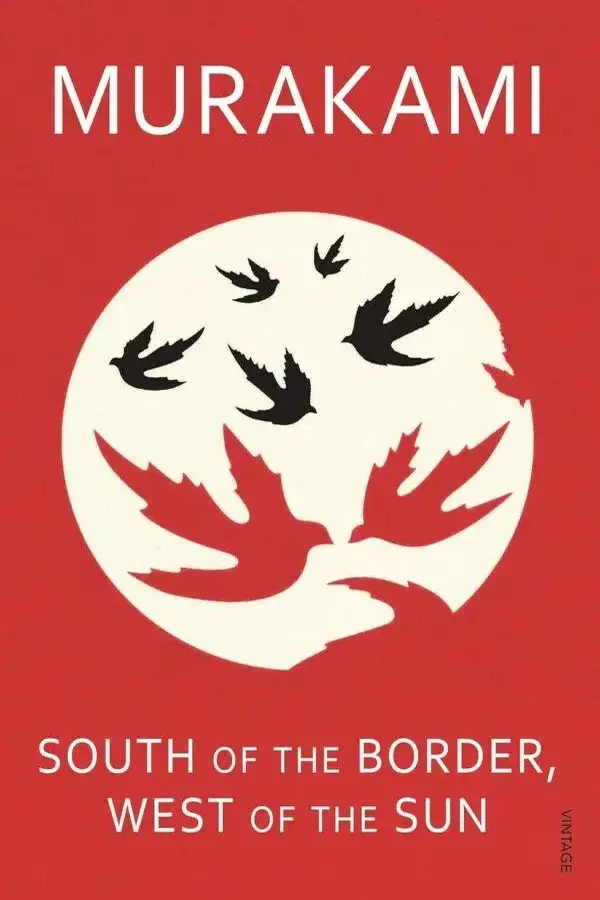
South of the Border, West of the Sun
Le prix initial était : 140 MAD.80 MADLe prix actuel est : 80 MAD.
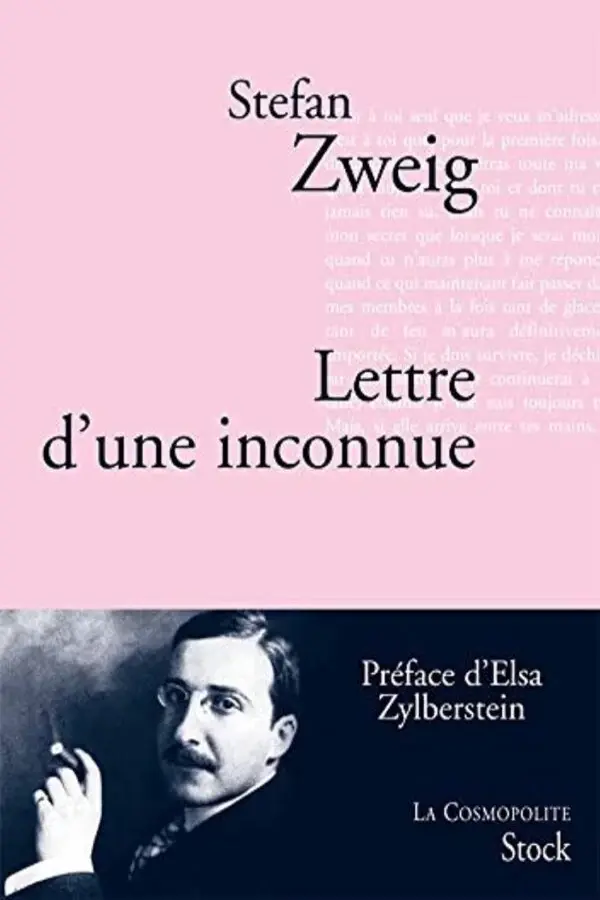
Lettre d’une inconnue
Le prix initial était : 370 MAD.140 MADLe prix actuel est : 140 MAD.
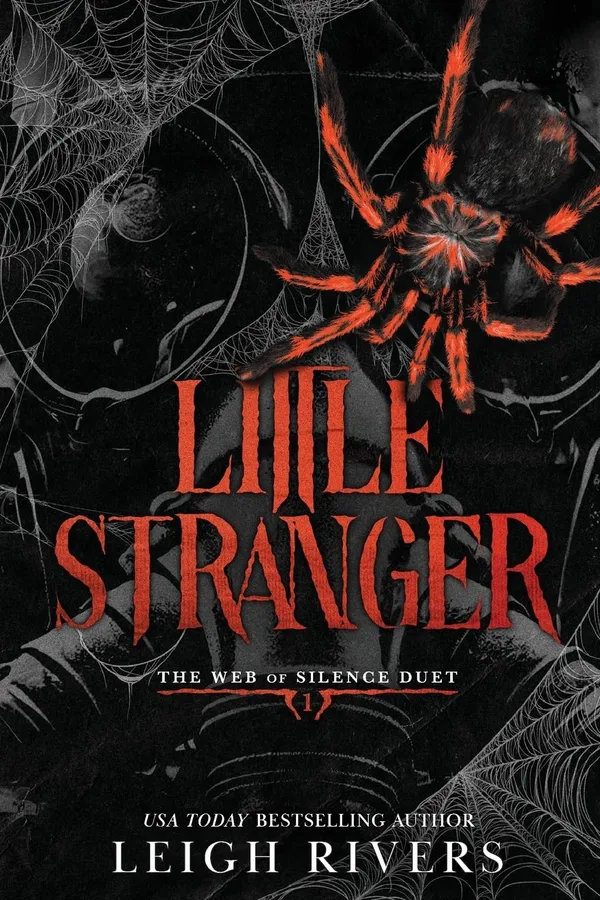
Little Stranger: A Dark Taboo Romance (The Web Of Silence Duet Book 1)

Le prix initial était : 185 MAD.90 MADLe prix actuel est : 90 MAD.
Goodbye Tsugumi
Le prix initial était : 420 MAD.160 MADLe prix actuel est : 160 MAD.
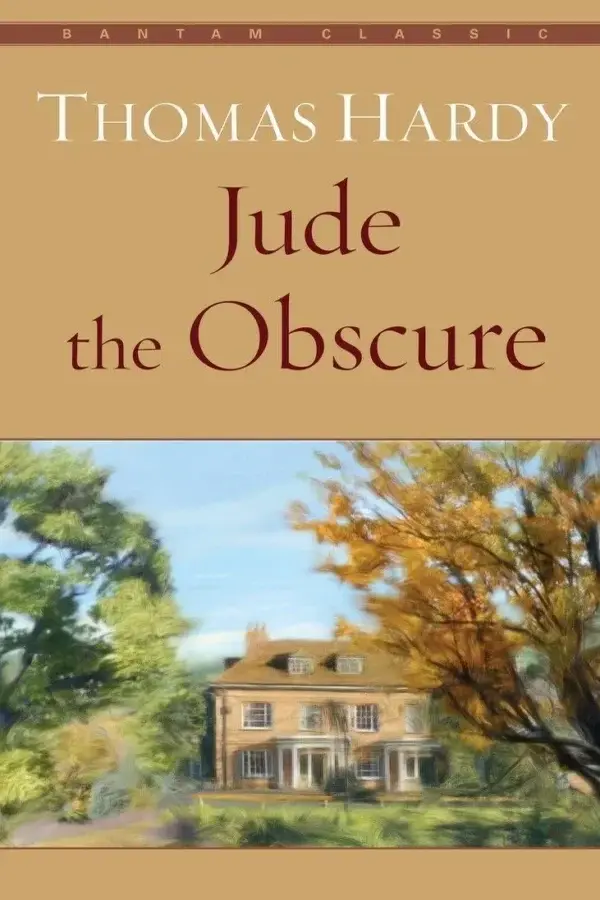
Jude the Obscure

Le prix initial était : 310 MAD.125 MADLe prix actuel est : 125 MAD.
Iron in the Soul

Le prix initial était : 790 MAD.265 MADLe prix actuel est : 265 MAD.
The Brothers Karamazov
Le prix initial était : 270 MAD.130 MADLe prix actuel est : 130 MAD.

Avis
Il n’y a pas encore d’avis.