
Votre panier est vide.

Sale
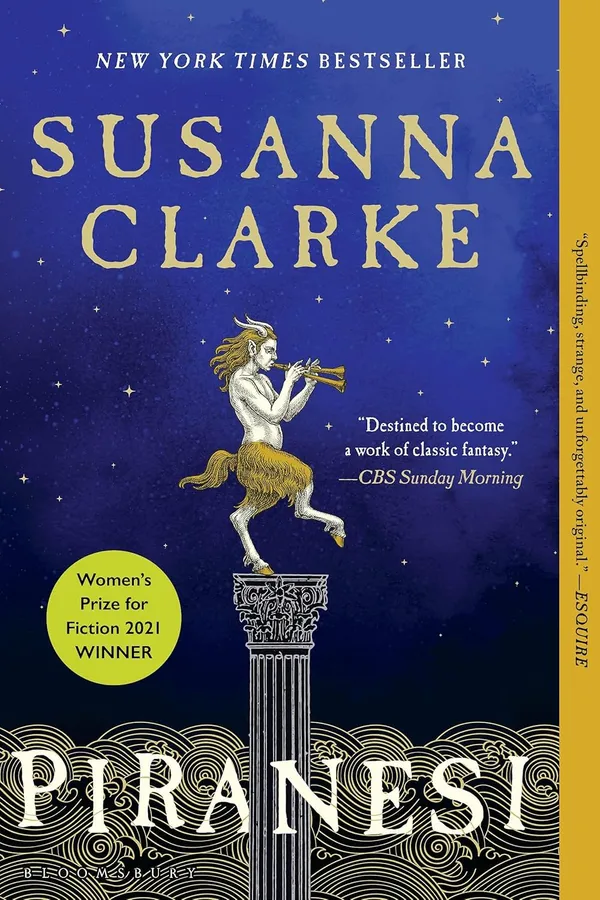
Piranesi
Le prix initial était : 240 MAD.105 MADLe prix actuel est : 105 MAD.
Experience the haunting beauty of a world composed of infinite halls and tides. Piranesi by Susanna Clarke Morocco is the definitive edition of the Women’s Prize for Fiction winner. Order your original copy today from Mabooko and enjoy Free Shipping and Cash on Delivery across all Moroccan cities.
Rupture de stock
Authors

Description
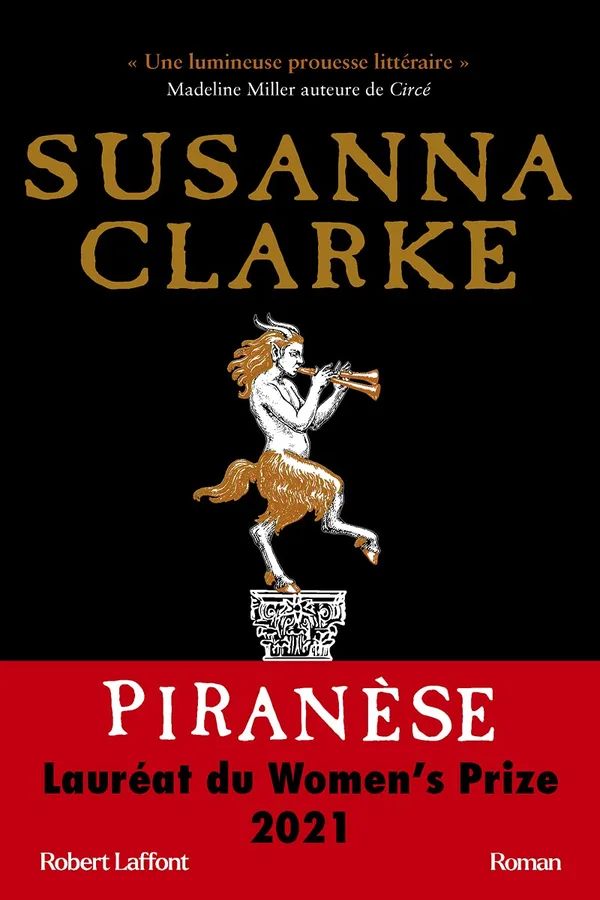
Piranesi by Susanna Clarke Morocco is an enchanting literary achievement that transports readers into a dreamlike labyrinth of infinite statues, halls, and tides. At Mabooko, we are proud to bring this extraordinary masterpiece to book lovers across the Kingdom, ensuring that you receive only original, high-quality editions of the world’s most celebrated literature. This novel is not just a book; it is a profound experience that challenges your perception of reality and solitude.
Table of Contents
| Section |
|---|
| The Mystery of the House |
| Who is Piranesi? |
| Why Buy from Mabooko? |
| Delivery and Shipping Information |
The Enchanting World of Piranesi by Susanna Clarke Morocco
In this novel, we meet a narrator known as Piranesi, who lives in “The House.” This is no ordinary building; it is a world unto itself, filled with endless vestibules and thousands of statues, where the lower halls are flooded by the ocean and the upper halls are lost in the clouds. Piranesi’s life is one of quiet solitude and scientific devotion as he maps the tides and the movements of the stars. His journals provide a window into a mind that is pure, observant, and deeply connected to the beauty of his surroundings. Piranesi by Susanna Clarke Morocco invites you to step into this meditative yet haunting space.
However, the tranquility of the House is not absolute. There is “The Other,” a man who visits Piranesi twice a week to seek the “Great and Secret Knowledge” hidden within the labyrinth. As Piranesi assists in this quest, he begins to uncover fragments of a past that he does not remember and a reality that exists outside the walls of the House. The tension between the serene isolation of the labyrinth and the encroaching mystery of the outside world makes Piranesi by Susanna Clarke Morocco a compulsive and unforgettable read for those who appreciate literary depth.
Susanna Clarke, the acclaimed author of Jonathan Strange & Mr Norrell, spent years crafting this atmospheric story. The result is a book that explores themes of solitude, the purity of the human spirit, and the way we perceive our environment. The narrative of Piranesi by Susanna Clarke Morocco defies easy categorization, blending elements of fantasy, mystery, and philosophical fiction into a seamless whole that resonates long after the final page is turned. It is a testament to the power of imagination and the resilience of the human mind.
Buying Piranesi by Susanna Clarke Morocco at Mabooko
Since its release, Piranesi by Susanna Clarke Morocco has garnered international acclaim, winning the Women’s Prize for Fiction and being shortlisted for numerous other awards. Its prose is elegant and immersive, designed to pull the reader into the rhythmic tides of the House. For readers in Morocco looking for something truly different from the standard thriller or fantasy tropes, this book offers a refreshing and intellectual journey that stays with you forever.
When you choose to shop at Mabooko, you are choosing quality and reliability. We understand the struggle of finding authentic English literature in the local market. That is why we guarantee that every copy of Piranesi by Susanna Clarke Morocco we sell is an original book. We do not deal in low-quality pirated versions or poorly bound reprints. When you hold your copy, you will feel the quality of the paper and the crispness of the printing that only an original edition can provide to a true collector.
Shopping for Piranesi by Susanna Clarke Morocco has never been easier for the Moroccan community. Our commitment to service means you can enjoy Free Shipping to your doorstep, whether you are in Casablanca, Rabat, Marrakech, Tangier, or even the most remote towns. We believe that access to great literature should be easy and affordable for every reader in the country. Our logistics team works tirelessly to ensure your package arrives in pristine condition.
Furthermore, we offer the convenience of Paiement à la livraison.. You don’t need a credit card to secure your next favorite read. Simply place your order for Piranesi by Susanna Clarke Morocco on our website, and pay only when the book is safely in your hands. This risk-free shopping experience is part of why Mabooko is becoming the preferred choice for bibliophiles across Morocco. Experience the magic of the House and the mystery of the statues today—order your copy and let your imagination wander through the infinite halls.
Don’t miss out on this modern classic. With our fast processing times and dedicated customer support, Mabooko ensures that your literary journey begins the moment you click “Order.” Secure your original copy of Piranesi by Susanna Clarke Morocco today and discover why Susanna Clarke remains one of the most visionary writers of our time. Your next great adventure is just a click away.
Avis (0)
Le prix initial était : 300 MAD.120 MADLe prix actuel est : 120 MAD.
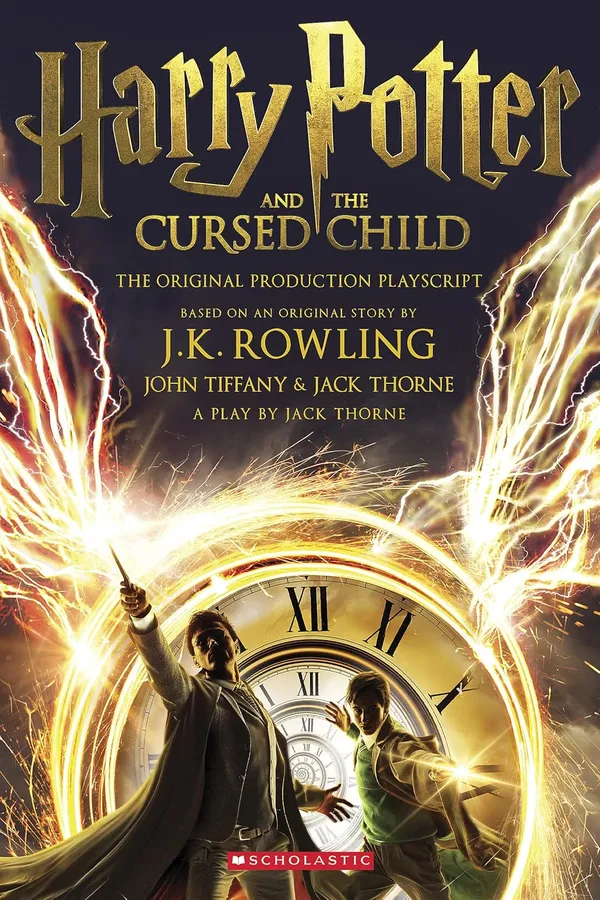
Harry Potter And The Cursed Child (Book 8)
Le prix initial était : 265 MAD.120 MADLe prix actuel est : 120 MAD.
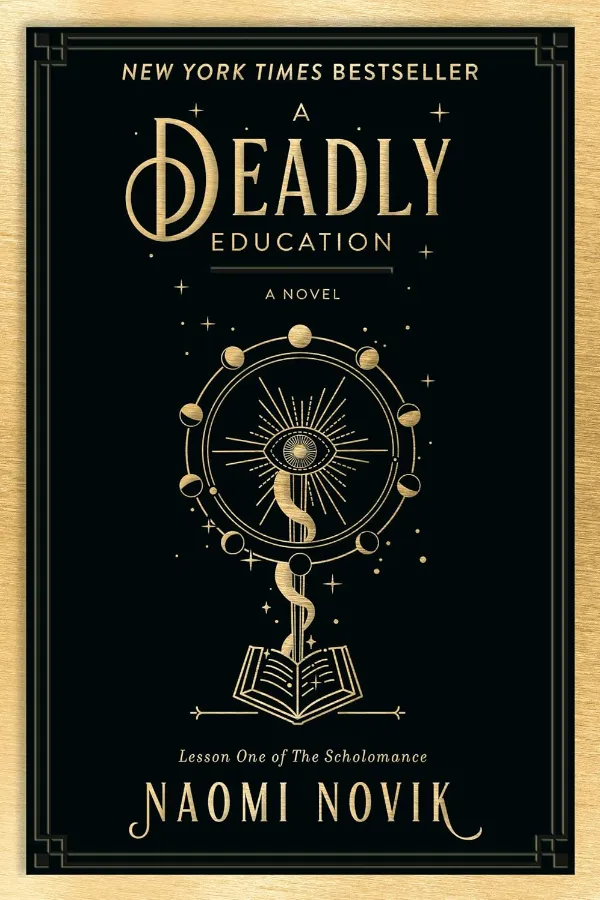
A Deadly Education
Le prix initial était : 165 MAD.100 MADLe prix actuel est : 100 MAD.
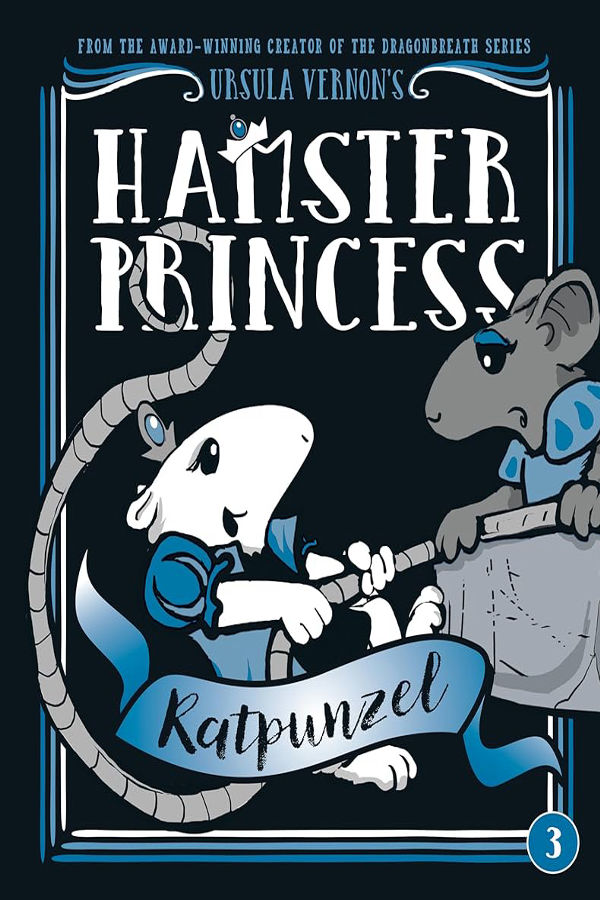
Ratpunzel (Hamster Princess Book 3)

Le prix initial était : 400 MAD.150 MADLe prix actuel est : 150 MAD.
Hell Bent

Le prix initial était : 400 MAD.150 MADLe prix actuel est : 150 MAD.
Greatest Hits

Le prix initial était : 275 MAD.115 MADLe prix actuel est : 115 MAD.
HWJN
Le prix initial était : 300 MAD.195 MADLe prix actuel est : 195 MAD.
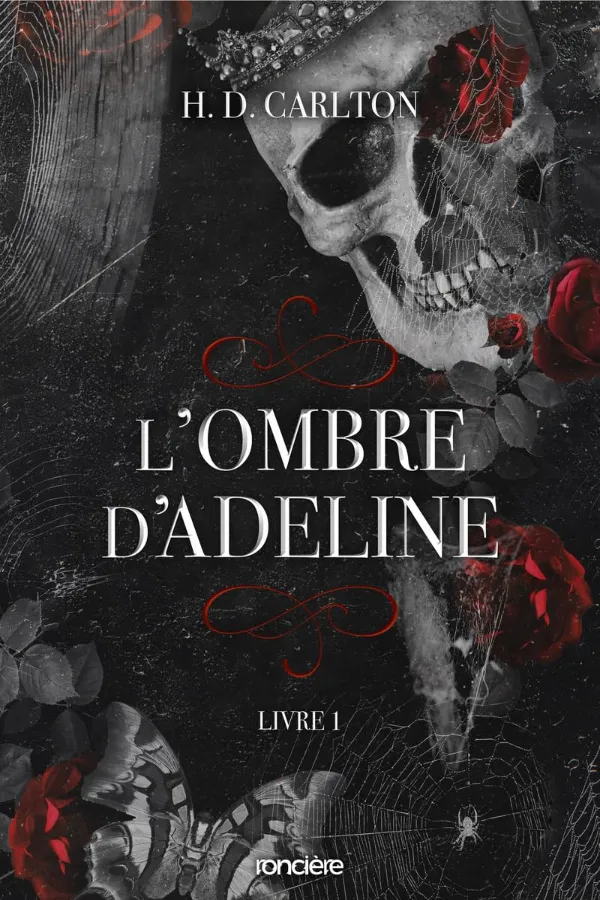
L’Ombre d’Adeline Tome 1

Le prix initial était : 165 MAD.85 MADLe prix actuel est : 85 MAD.
Dragonbreath (Dragonbreath N 1)
Le prix initial était : 480 MAD.175 MADLe prix actuel est : 175 MAD.
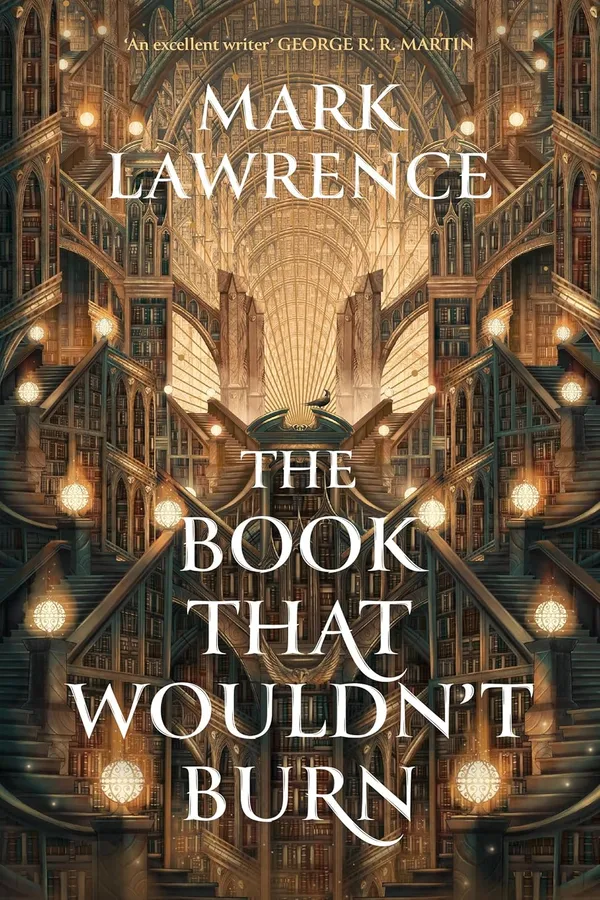
The Book That Wouldn’t Burn (The Library Trilogy Book 1)

Le prix initial était : 420 MAD.160 MADLe prix actuel est : 160 MAD.
The Winter Sea
Le prix initial était : 210 MAD.95 MADLe prix actuel est : 95 MAD.
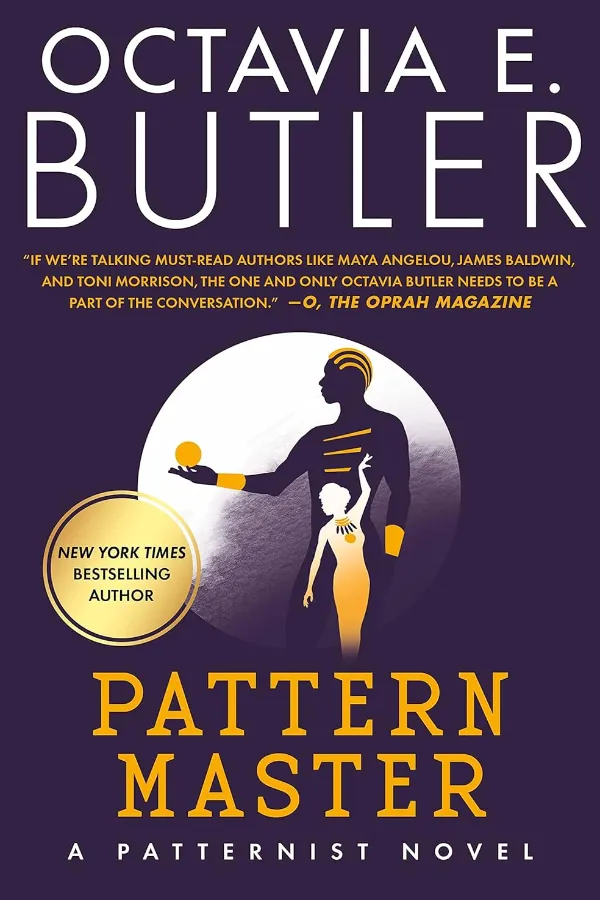
Patternmaster
Le prix initial était : 300 MAD.120 MADLe prix actuel est : 120 MAD.
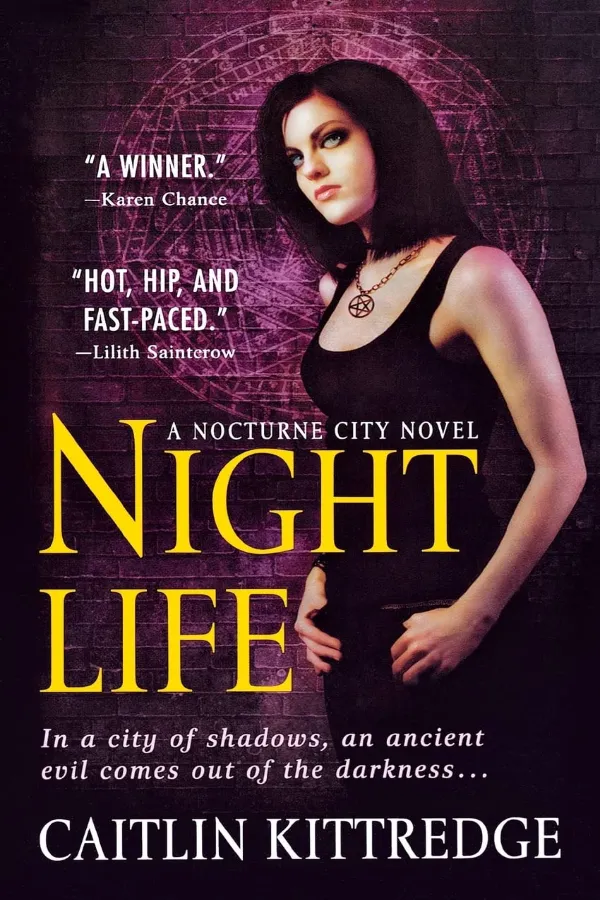
Night Life

Le prix initial était : 230 MAD.105 MADLe prix actuel est : 105 MAD.
Harriet the Invincible (Hamster Princess N 1)

Le prix initial était : 495 MAD.180 MADLe prix actuel est : 180 MAD.
Iron Flame (The Empyrean book 2)

Le prix initial était : 310 MAD.125 MADLe prix actuel est : 125 MAD.

Avis
Il n’y a pas encore d’avis.