

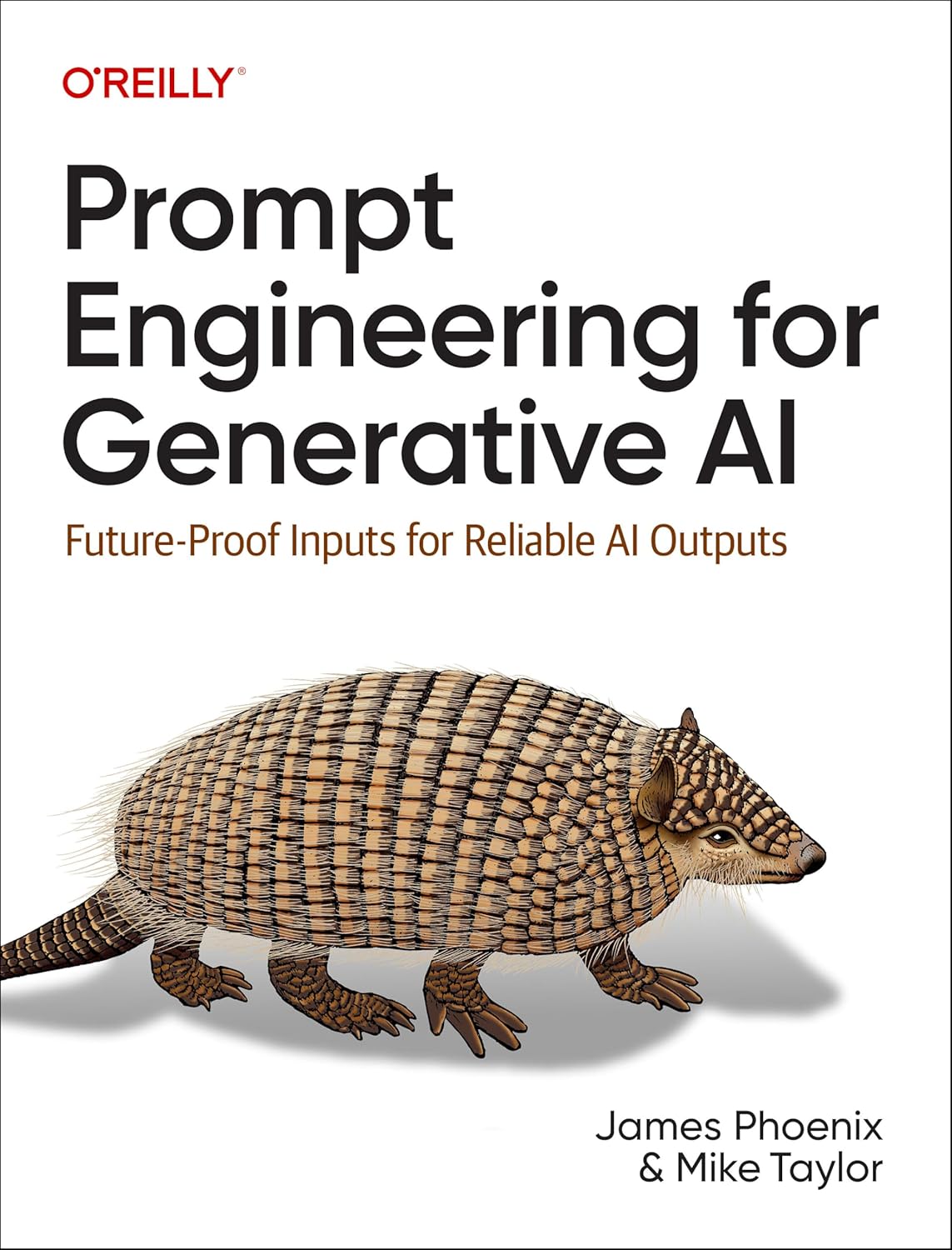
Prompt Engineering for Generative AI: Future-Proof Inputs for Reliable Al Outputs
135,00 DH
Ce livre est votre feuille de route pratique pour maîtriser l'ingénierie des prompts à l'ère de l'IA générative. Il vous apprend à créer des entrées qui produisent des sorties cohérentes et fiables à partir de modèles tels que ChatGPT et Stable Diffusion. Vous apprendrez des principes intemporels, et non des astuces éphémères, qui fonctionnent avec différents systèmes d'IA et cas d'utilisation. Du traitement du langage naturel à la génération d'images et à l'automatisation du code, les techniques s'appliquent largement. Les auteurs partagent des exemples concrets et des flux de travail basés sur Python pour vous aider à créer des outils basés sur l'IA. Il est idéal pour les développeurs, les ingénieurs et les professionnels de la technologie qui intègrent l'IA dans des produits réels. Que vous soyez débutant ou expérimenté, vous acquerrez des compétences pour améliorer la précision et réduire les hallucinations de l'IA. Un incontournable pour quiconque prend au sérieux le travail efficace avec l'IA.📘💡
Authors


Description
Large language models and diffusion models like ChatGPT and Stable Diffusion are reshaping how we interact with technology, and this book serves as a practical, forward-thinking guide to mastering the art of working with them effectively. Written by James Phoenix and Mike Taylor, who have been immersed in generative AI since the GPT-3 beta days, the book distills years of hands-on experience into a cohesive framework that helps readers move beyond trial-and-error prompting. It emphasizes that reliable AI outputs don’t come from magical phrases, but from structured, thoughtful input design grounded in deep understanding.
The core of the book revolves around the Five Principles of Prompting: Give Direction, Specify Format, Provide Examples, Evaluate Quality, and Divide Labor. These principles are not quick hacks but enduring strategies that apply across different models and modalities, making the knowledge transferable whether you’re using OpenAI, open-source alternatives, or future iterations of AI systems. The authors explain how to transform real-world problems into tasks the AI can handle, how model architecture influences interaction, and how to reduce common issues like hallucination and inconsistency in outputs.
What sets this book apart is its balance between theory and practice. It doesn’t just tell you what to do—it shows you with hundreds of real-world examples covering text generation, image creation, code automation, and building full AI-powered applications. You’ll learn how to use Python to create automation scripts, integrate with tools like LangChain and vector databases, and even build a user interface using Gradio. This makes it especially valuable for developers, engineers, and technical product builders who are integrating AI into production systems.
Beyond technical depth, the book addresses the evolving role of AI in the workplace. The authors argue that prompt engineering isn’t just a niche job title but a fundamental skill—like using spreadsheets—that will become essential across many professions. They explore the economic and practical realities of working with AI, including cost, latency, and reliability, helping readers think critically about when and how to deploy AI solutions responsibly and efficiently.
Whether you’re building internal tools, client-facing products, or simply want to get better results from AI in your daily work, this guide provides a solid foundation. It’s written in clear, accessible language and avoids hype, focusing instead on actionable insights and proven techniques. Backed by endorsements from industry leaders and real-world practitioners, this book is positioned as a go-to resource for anyone serious about harnessing generative AI in a meaningful, scalable way.
Avis (0)

The Age of Reason

Dune (Dune Saga book 1)
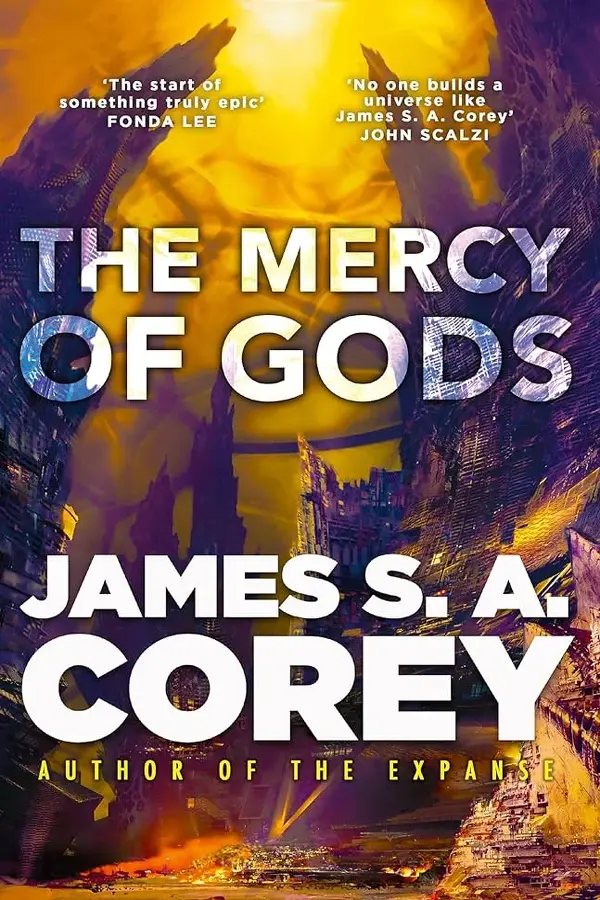
The Mercy of Gods

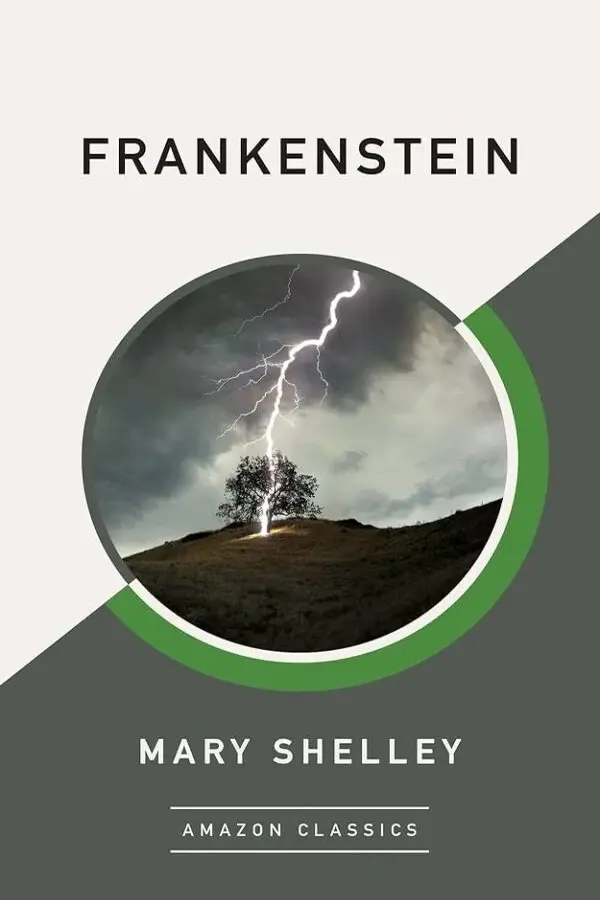
Frankenstein

Iron Widow, Book 1

You Are the Placebo








Avis
Il n’y a pas encore d’avis.