

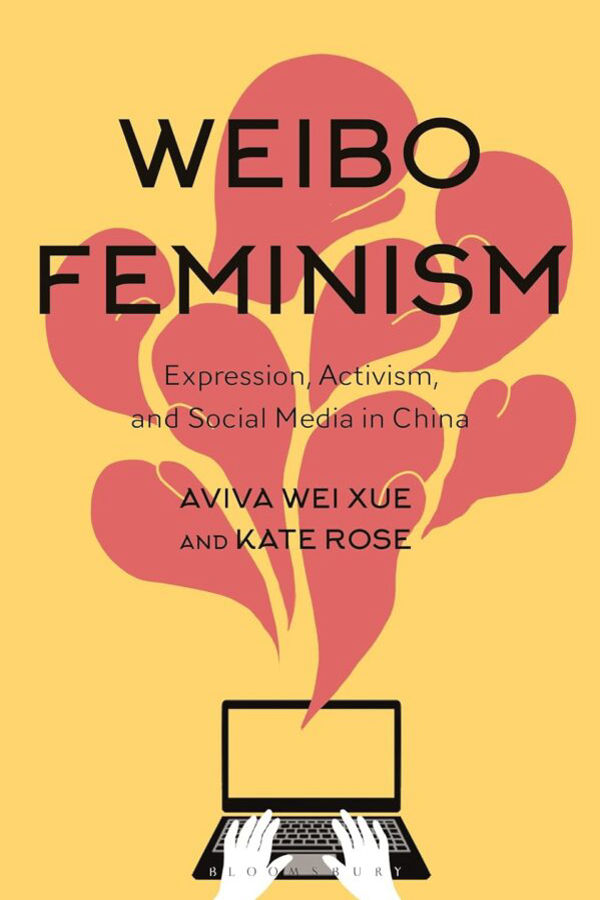
Weibo Feminism
95,00 DH
Sur la plus grande plateforme de médias sociaux chinoise, Weibo, les féministes gardent une longueur d'avance sur les censeurs. Weibo Feminism est le premier livre à explorer en profondeur les liens et les formes de résistance que les militantes féministes en Chine mettent en place dans les espaces en ligne malgré les mesures de répression croissantes contre la liberté d'expression et l'expression publique.
Authors

Description
On China’s largest social media platform, Weibo, feminists navigate a complex landscape of censorship and cultural tradition while building powerful communities for change. This groundbreaking book reveals how women in China leverage digital spaces to challenge patriarchal norms, from campaigns against sexual harassment and domestic violence to creative reinterpretations of feminist literature. Through meticulous research, the authors document the resilience of these activists who operate under increasing pressure, using everything from subversive novels to online reading groups to amplify their voices.
The book dives into real-world examples of how Weibo feminism emerged as a distinct movement, particularly during pivotal moments like the #MeToo era and the COVID-19 pandemic. It explores the organic support networks that formed for female healthcare workers and the clever tactics used to evade state censorship—proving that digital resistance can thrive even in restrictive environments. Readers gain insight into the unique blend of historical awareness and modern innovation driving this movement, as activists draw from China’s past while forging new paths for gender equality.
Beyond surface-level analysis, Weibo Feminism unpacks the ideological foundations of this movement, showing how it critiques both Confucian patriarchy and Western liberal feminism. It highlights the radical reimagining of relationships, marriage, and bodily autonomy that defines contemporary Chinese feminist discourse online. The authors avoid simplistic comparisons, instead honoring the movement’s distinctly Chinese character while underscoring its universal relevance to global struggles for women’s rights.
Through interviews, case studies, and digital ethnography, the book captures the humor, creativity, and solidarity that sustain these communities—from viral memes to collective reading initiatives. It reveals how feminism in China isn’t imported but organically grown, adapting global ideas to local realities while challenging stereotypes about women’s passivity in authoritarian contexts. This is a movement rooted in everyday courage, where a single post can spark nationwide conversations.
Ultimately, Weibo Feminism offers a vital window into one of the most dynamic feminist movements of our time. It’s not just a chronicle of resistance but a testament to how women are reshaping culture and politics from the ground up, proving that hope and ingenuity persist even where freedom feels constrained. For anyone curious about the future of activism in the digital age, this book is an essential guide to understanding how change truly happens.
Avis (0)

120,00 DH
The Wild Side

Le prix initial était : 365,00 د.م..140,00 DHLe prix actuel est : 140,00 د.م..
Dream State

130,00 DH
Morning Comes Softly


110,00 DH
Scoring Fast

110,00 DH
All In

115,00 DH
Look Alive Twenty-Five
95,00 DH
Untold Night and Day

175,00 DH
The Wrong Hostage

120,00 DH
Whispers in the Dark

115,00 DH
What You Never Knew

150,00 DH
The Striker

100,00 DH
March Wind

135,00 DH

Avis
Il n’y a pas encore d’avis.