

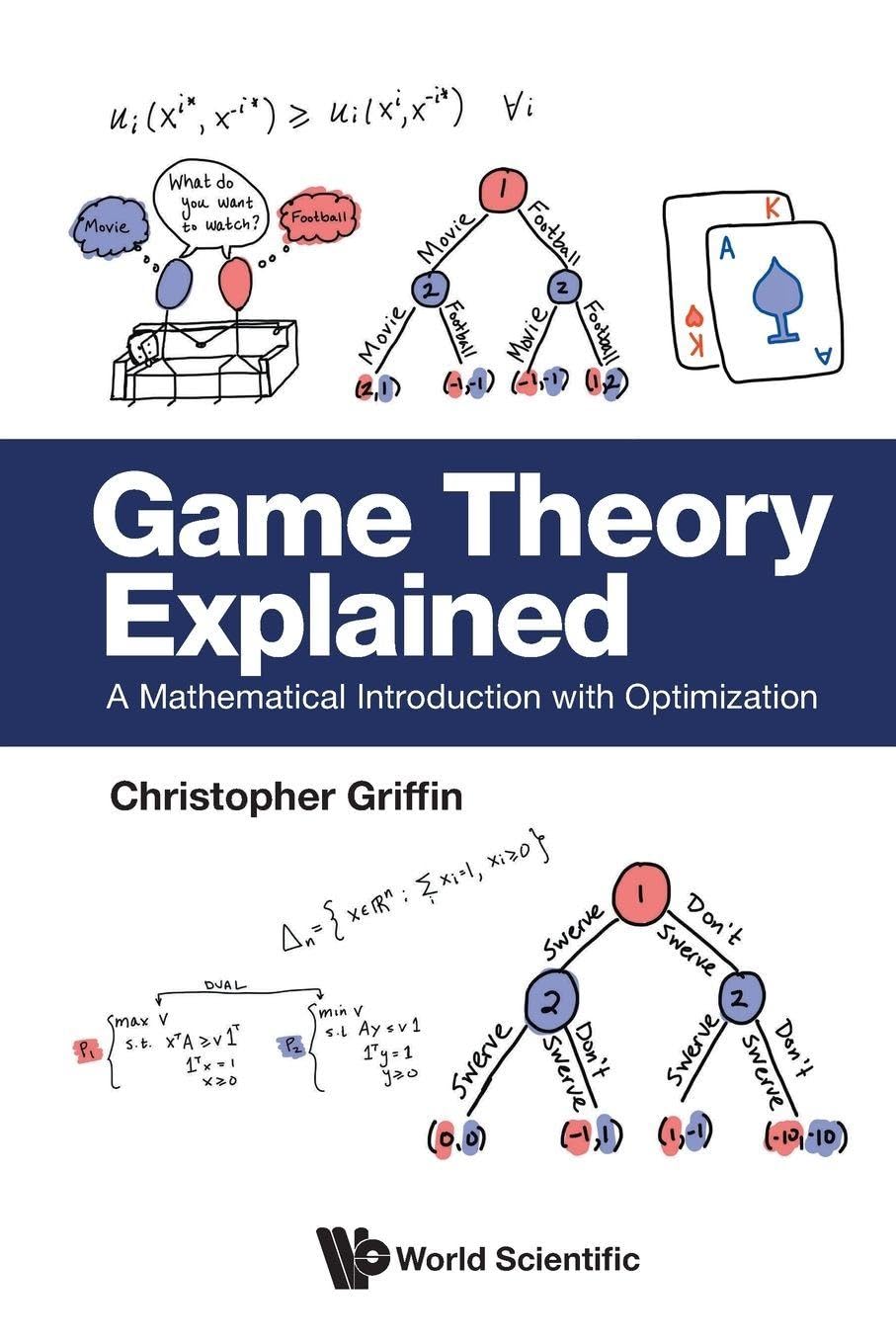
Game Theory Explained: A Mathematical Introduction with Optimization
115,00 DH
Ce livre plonge dans le monde de la théorie des jeux avec une solide base mathématique, parfait pour les lecteurs qui apprécient la précision et la profondeur. Il commence par des modèles probabilistes simples issus des jeux de hasard et évolue vers une analyse stratégique complète. Vous explorerez comment les gens prennent des décisions lorsque les résultats dépendent des choix des autres. Le mélange de théorie classique et d'optimisation donne une perspective nouvelle, rarement vue dans les textes d'introduction. Les concepts sont construits pas à pas, étayés par des preuves et des illustrations pratiques. Il est idéal pour l'auto-apprentissage ou pour des cours de mathématiques appliquées ou d'économie. Une écriture claire s'allie à une pensée rigoureuse, sans perdre de vue la compréhension. Un guide intelligent et structuré pour maîtriser la logique stratégique. 📚🧮🎯
Authors

Description
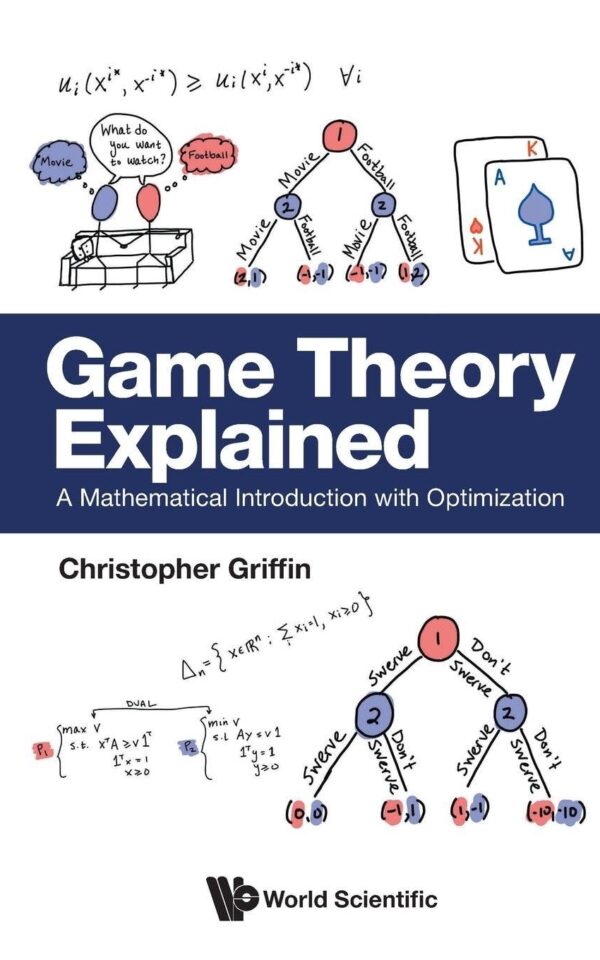
This book offers a clear and structured introduction to the mathematical foundations of game theory, blending classical approaches with modern optimization techniques. Written in a theorem-proof-example style, it’s designed for readers who want not only to understand key results but also to see how they are rigorously derived. Starting with the basics of probability through the lens of casino games, the author builds a strong foundation before moving into more complex topics like utility theory, strategic decision-making, and game trees. The logical progression makes it accessible to students and self-learners with some background in mathematics.
The first part of the book focuses on core concepts in non-cooperative game theory, including zero-sum games, the minimax theorem, and Nash’s groundbreaking proof of mixed strategy equilibria in general sum games. These ideas are illustrated with practical examples that help clarify abstract principles. The second part shifts toward optimization, introducing tools like the Karush–Kuhn–Tucker conditions and showing how game-theoretic problems can be reformulated as optimization tasks. This unique angle allows readers to compute equilibria using well-established mathematical methods, bridging two important fields in applied math.
In the third section, the book explores cooperative game theory, where players can form coalitions and negotiate payoffs. What sets this treatment apart is the innovative framing of Nash bargaining as a multi-criteria optimization problem. The author revisits linear programming and duality to deliver an elegant proof of the Bondareva–Shapley theorem, making advanced material surprisingly approachable. These connections between seemingly separate areas highlight the unity of mathematical thinking and reinforce the value of interdisciplinary tools in solving complex problems.
Two appendices provide essential background material, ensuring that readers aren’t left behind due to gaps in prior knowledge. Additionally, a bonus appendix introduces evolutionary game theory and replicator dynamics—an area the author actively researches—giving instructors flexibility to include contemporary content. This feature makes the book suitable not just for standard courses but also for seminars or independent study exploring modern applications in biology, economics, or network science.
Grounded in real-world relevance and academic rigor, Game Theory Explained serves both as a classroom textbook and a reference for researchers interested in the mathematical side of strategic interaction. With its emphasis on proofs, problem-solving, and cross-disciplinary methods, it stands out among introductory texts. Whether you’re a student in math, economics, or engineering, or simply a curious mind drawn to logic and strategy, this book provides a solid, well-organized path into one of the most fascinating areas of applied mathematics.
Avis (0)
On Tyranny : Twenty Lessons from the Twentieth Century

Good Golden Sun
The Mercy of Gods


The Age of Reason
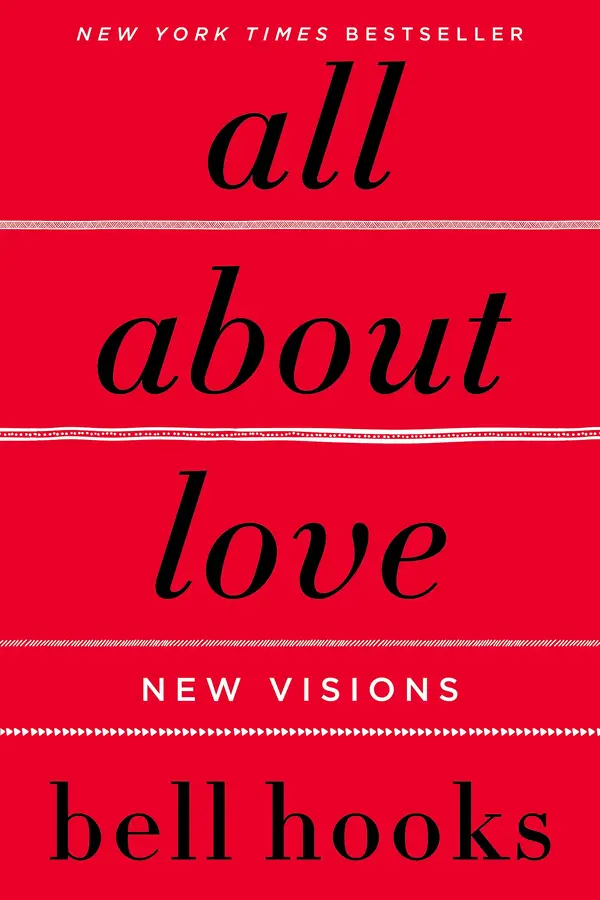
All about Love : New Visions
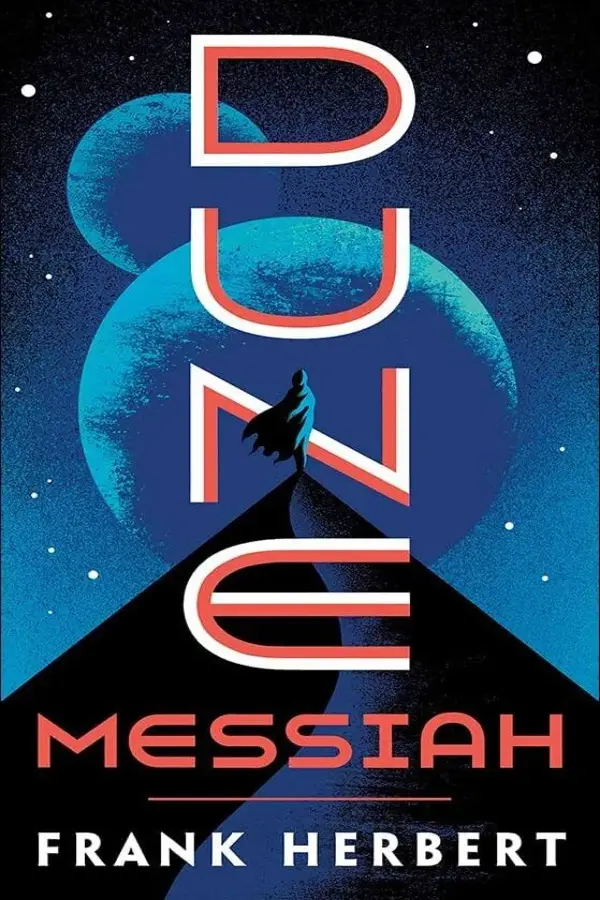
Dune Messiah (Dune Saga book 2)

كتاب للكون


Think Again

Shatter Me (Shatter Me Book 1)

Avis
Il n’y a pas encore d’avis.