

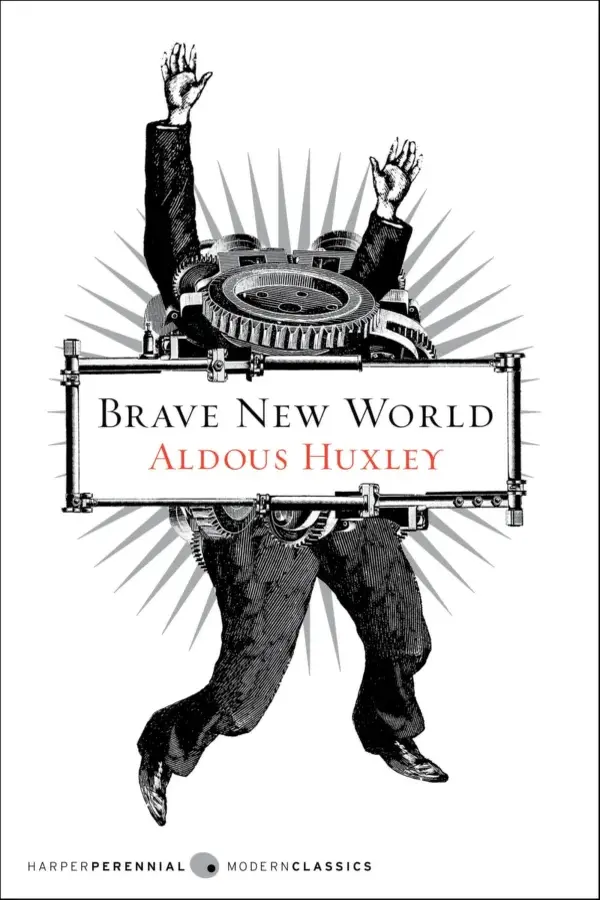
Brave New World
Plage de prix : 60,00 د.م. à 120,00 د.م.
Un chef-d'œuvre dystopique explorant un monde où l'humanité est conçue pour le "bonheur" au prix de la liberté. Aldous Huxley peint une vision obsédante de la manipulation génétique, du contrôle social, et des dangers d'échanger l'individualité contre le confort. Rencontrez Bernard Marx, un outsider dans une société obsédée par le conformisme, et John le Sauvage, qui remet tout en question. Les thèmes de la portée de la technologie, de la suppression émotionnelle, et de l'illusion de l'utopie persistent longtemps après la dernière page. Un incontournable pour les fans de science-fiction stimulante qui remet en question le statu quo. 🌍🔧👥
Authors

Description
Set in a futuristic World State, Brave New World imagines a society engineered for stability through genetic manipulation, conditioning, and a rigid caste system. Citizens are sorted into predefined roles at birth, from Alphas (the intellectual elite) to Epsilons (menial laborers), all conditioned to accept their place without question. The government prioritizes societal harmony over individuality, using pleasure-inducing drugs like soma and recreational sex to suppress dissent. Technology dominates every aspect of life, from mass production of humans in hatcheries to the erasure of natural reproduction.
The story follows Bernard Marx, an Alpha who feels out of place in this “perfect” world, and John the Savage, a man raised outside the World State who challenges its values. Their clashes with the system expose the emptiness beneath the surface of enforced happiness. Huxley critiques consumerism, authoritarianism, and the dehumanizing effects of prioritizing comfort over freedom. Themes of alienation, the cost of progress, and the tension between individuality and conformity resonate deeply, making the novel a timeless warning about sacrificing humanity for utopian ideals.
Huxley’s vision of a society numbed by pleasure and stripped of art, religion, and emotion feels eerily prescient. The World State’s motto—Community, Identity, Stability —masks a chilling reality where truth and passion are obsolete. Characters grapple with existential questions: Is true happiness possible without struggle? Can a society exist without suffering or conflict? The novel’s power lies in its ability to provoke discomfort, urging readers to reflect on their own world’s trajectory.
Avis (0)
The Mindf*ck Series
Lettre d’une inconnue

The Love Hypothesis
Kitchen

Diary of a Void
King of Sloth
Daughter of the Deep

If He Had Been With Me
L’Étranger

Tant que fleuriront les citronniers
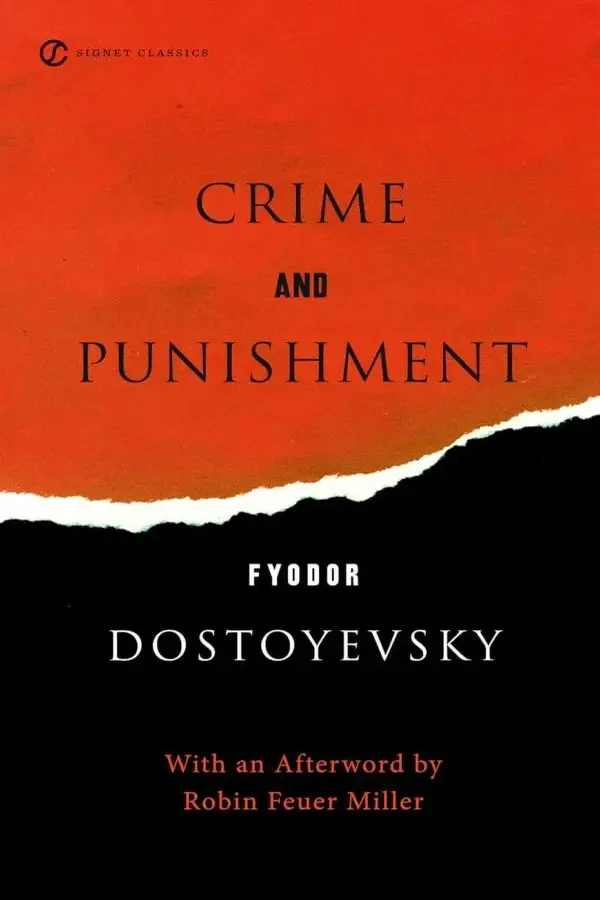
Crime and Punishment
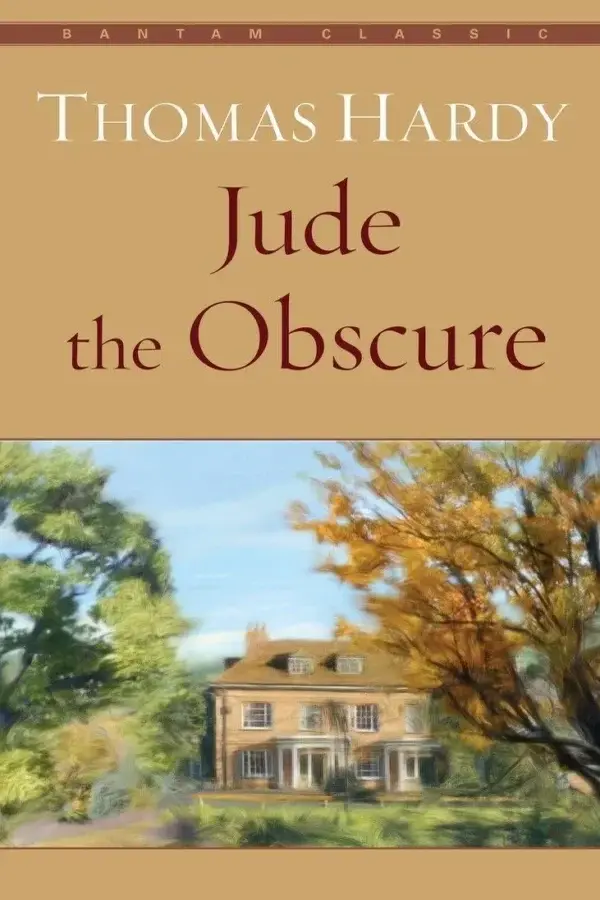
Jude the Obscure

I Who Have Never Known Men
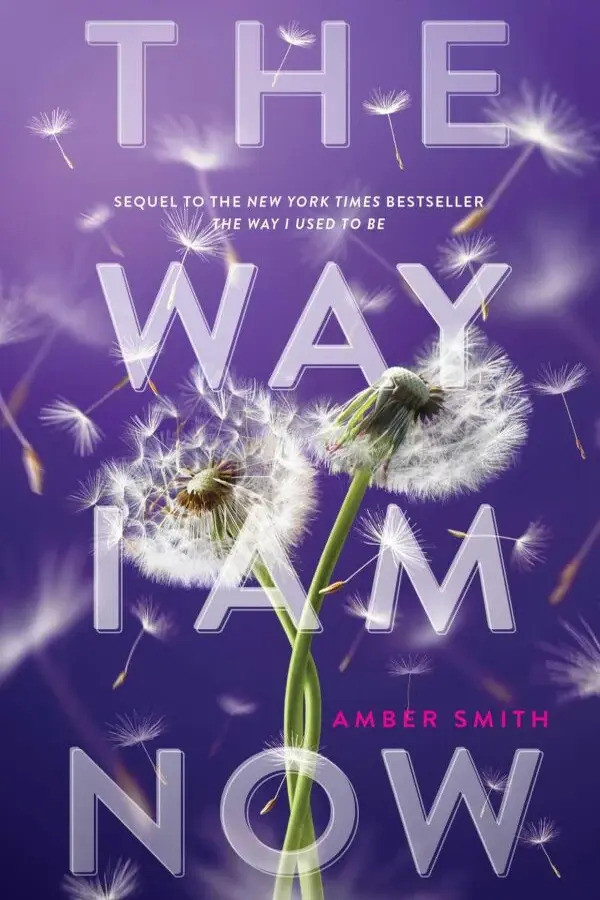

Avis
Il n’y a pas encore d’avis.