
Votre panier est vide.

Sale
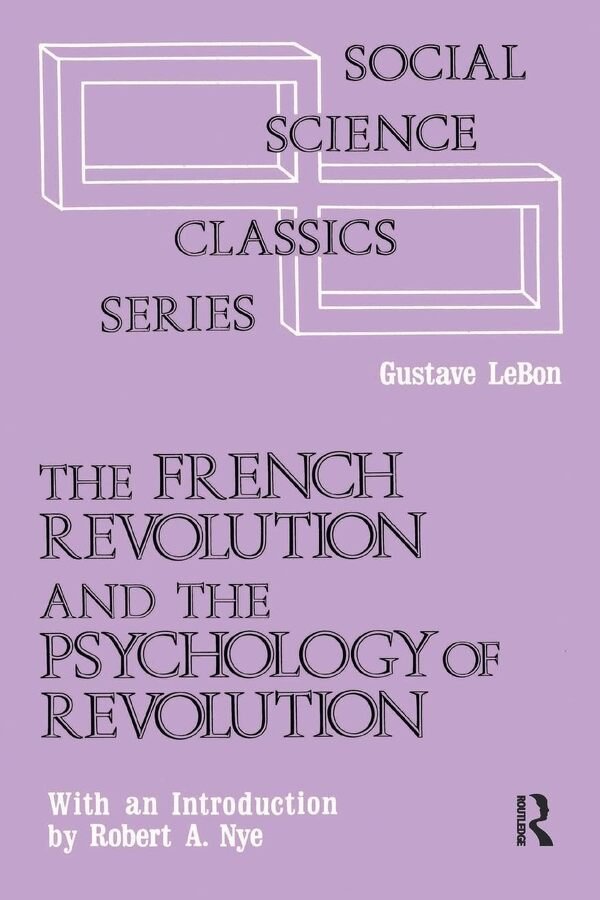
The French Revolution And The Psychology Of Revolution
Le prix initial était : 290 MAD.120 MADLe prix actuel est : 120 MAD.
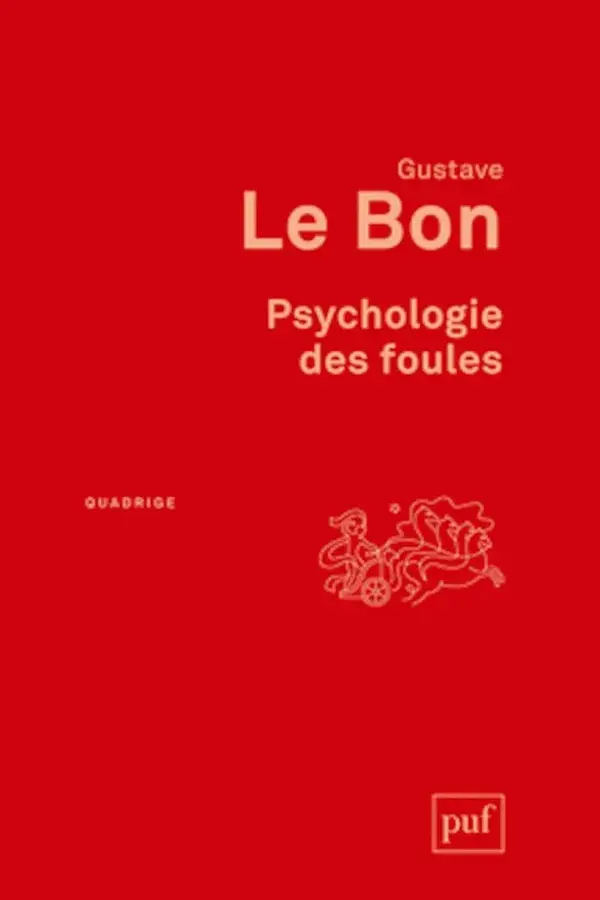
Master the dynamics of social change with Gustave Le Bon’s “The French Revolution and the Psychology of Revolution.” Available at Mabooko, this seminal work explores the collective mind and the irrational forces behind historical shifts. Order your original copy today and enjoy Free Shipping and Cash on Delivery across Morocco.
Rupture de stock
Authors


Description
If you are looking for a deep dive into the Psychology of Revolution Morocco students and history buffs now have the perfect resource available at Mabooko. Gustave Le Bon’s classic study, The French Revolution and the Psychology of Revolution, remains one of the most provocative analyses of mass behavior ever written. While traditional historians focus on the political dates and legislative changes of the French Revolution, Le Bon uses his background in social psychology to examine the mental state of the masses. By understanding the “soul” of the crowd, readers can grasp why seemingly rational individuals transform into a collective force driven by emotion, mysticism, and contagion.
Table of Contents
Understanding the Psychology of Revolution Morocco
The Psychology of Revolution Morocco readers will discover in this book goes far beyond simple historical storytelling. Gustave Le Bon argues that the French Revolution was not merely a battle for liberty and equality, but a complex psychological phenomenon. He posits that the revolutionary spirit is fueled by three distinct mentalities: the mystic, the collective, and the affective. Through this lens, the violent shifts and radical decisions of the era become understandable not as logical steps, but as the output of a “crowd mind” that has abandoned individual reason in favor of group impulse.
Le Bon’s work is essential for anyone trying to understand modern social movements. He illustrates how leaders of revolutions often use the power of suggestion to manipulate the collective consciousness. By examining the transition from the old regime to the new republic, Le Bon identifies the recurring patterns of behavior that occur whenever a society undergoes a radical transformation. This makes the book a vital piece of literature for anyone studying political science, sociology, or history in Morocco.
A Deep Analysis of the Psychology of Revolution Morocco
What sets this edition apart for the Psychology of Revolution Morocco market is its accessibility and the enduring relevance of its core themes. Le Bon explores the conflict between ancestral influences—the long-standing habits and beliefs of a nation—and the revolutionary principles that seek to overthrow them. He explains why many revolutions ultimately fail to change the character of a people, even if they succeed in changing the government. This insight provides a sobering and intellectual approach to the study of power and influence.
At Mabooko, our mission is to provide access to high-quality, original books that challenge the intellect. We know that discerning readers in Morocco value the physical feel and lasting durability of a genuine publication. When you purchase this title from us, you are guaranteed an authentic copy that will serve as a cornerstone of your personal library for years to come.
Shopping at Mabooko is designed to be seamless and risk-free. We understand the local market needs, which is why we offer Free Shipping to every corner of the country. Whether you are in the heart of Casablanca, the heights of Ifrane, or the coastal beauty of Agadir, your book will reach you at no extra cost. Furthermore, to provide you with total peace of mind, we offer Paiement à la livraison.. You only pay for your book once you have it in your hands, ensuring a secure and trustworthy transaction every time.
Don’t miss out on this foundational text of social psychology. Gustave Le Bon’s insights into the collective mind are as relevant today as they were a century ago. Order The French Revolution and the Psychology of Revolution from Mabooko today and elevate your understanding of the hidden forces that shape our world.
Avis (0)

Le prix initial était : 400 MAD.150 MADLe prix actuel est : 150 MAD.
Her Side of the Story

Le prix initial était : 1,000 MAD.330 MADLe prix actuel est : 330 MAD.
War and Peace

Le prix initial était : 945 MAD.310 MADLe prix actuel est : 310 MAD.
The Count Of Monte Cristo

Le prix initial était : 275 MAD.115 MADLe prix actuel est : 115 MAD.
The Old Man And The Sea

Le prix initial était : 365 MAD.140 MADLe prix actuel est : 140 MAD.
Strangers in Time

Le prix initial était : 230 MAD.115 MADLe prix actuel est : 115 MAD.
Tomorrow’s First Light

Le prix initial était : 240 MAD.105 MADLe prix actuel est : 105 MAD.
Voices of the Fallen Heroes

Le prix initial était : 280 MAD.115 MADLe prix actuel est : 115 MAD.
To Kill A Mockingbird

Le prix initial était : 165 MAD.85 MADLe prix actuel est : 85 MAD.
الأمازيغ: قصة شعب
Le prix initial était : 300 MAD.125 MADLe prix actuel est : 125 MAD.
Black Morocco

Le prix initial était : 365 MAD.140 MADLe prix actuel est : 140 MAD.
War

Le prix initial était : 385 MAD.145 MADLe prix actuel est : 145 MAD.
The Women

Le prix initial était : 175 MAD.85 MADLe prix actuel est : 85 MAD.
Wide Sargasso Sea
Le prix initial était : 845 MAD.399 MADLe prix actuel est : 399 MAD.
The Cicero Trilogy

Le prix initial était : 275 MAD.115 MADLe prix actuel est : 115 MAD.

Avis
Il n’y a pas encore d’avis.