
Votre panier est vide.

Sale
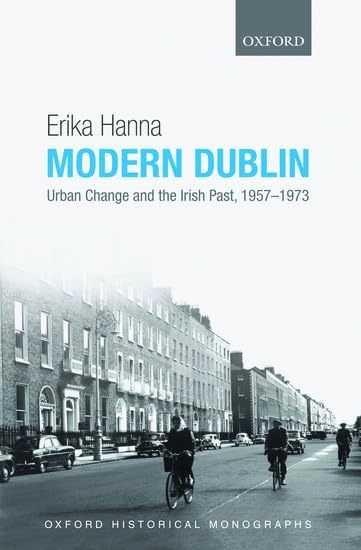
Modern Dublin: Urban Change and the Irish Past, 1957-1973
Le prix initial était : 170 MAD.100 MADLe prix actuel est : 100 MAD.
Discover Modern Dublin by Erika Hanna, a fascinating exploration of urban change and cultural shifts in 1960s Ireland. Order your original physical copy today from Mabooko in Morocco and enjoy free shipping and cash on delivery!
Rupture de stock
Authors

Description
If you are passionate about history and urban development, Modern Dublin is a deeply captivating and rigorously researched book that transports you directly to the changing landscape of 1960s Ireland. Written by the esteemed historian Erika Hanna, this remarkable work offers a fresh perspective on how the physical transformation of the city profoundly influenced social and cultural shifts in the Republic of Ireland. At Mabooko, we are incredibly proud to offer this brilliant, original book to avid readers and history enthusiasts all across Morocco.
Table of Contents
About the Book
Dans Modern Dublin, Erika Hanna delves into the complex and often controversial process of urban modernization that took place between 1957 and 1973. During this critical era, the city saw a monumental shift as centuries-old Georgian architecture faced destruction to make way for modern office blocks, new housing developments, and modernized infrastructure. This dramatic physical transformation sparked widespread debates about national identity, heritage preservation, and the true meaning of progress. By masterfully drawing upon previously untapped archival sources, Hanna brings to life the diverse cast of characters—from ambitious government planners and property developers to passionate grassroots activists and preservationists—who fought fiercely to shape the city’s future. Modern Dublin goes beyond simple architectural history; it uses the very streets of the capital as a lens to examine the shifting values and deep-seated cultural politics of a rapidly modernizing nation. This compelling narrative is essential reading for anyone interested in European history, urban planning, or the ongoing evolution of historic cities.
Why Shop With Mabooko
As the most trusted online bookstore in Morocco, Mabooko is fully committed to delivering only the highest quality, original physical books to our valued customers. We believe that there is absolutely nothing quite like holding a real, beautifully printed book in your hands. When you choose to order from us, you automatically benefit from our fast and reliable Free Shipping service, delivering your new books directly to your doorstep in any city across the country. Additionally, for your complete peace of mind, we proudly offer a secure Cash on Delivery payment option, meaning you only pay once your order has safely arrived.
Do not miss this wonderful opportunity to dive into a pivotal chapter of Irish history. Add this insightful and expertly written historical account to your personal collection today. Order now, and let Mabooko provide you with exceptional service, ensuring you receive the very best physical books without any hidden fees or extra costs!
Avis (0)

Le prix initial était : 165 MAD.85 MADLe prix actuel est : 85 MAD.
Gisèle Halimi la fauteuse de troubles
Le prix initial était : 275 MAD.115 MADLe prix actuel est : 115 MAD.
The Old Man And The Sea
Le prix initial était : 365 MAD.140 MADLe prix actuel est : 140 MAD.
Strangers in Time
Le prix initial était : 420 MAD.160 MADLe prix actuel est : 160 MAD.
Oliver Twist

Le prix initial était : 165 MAD.85 MADLe prix actuel est : 85 MAD.
الأمازيغ: قصة شعب
Le prix initial était : 275 MAD.115 MADLe prix actuel est : 115 MAD.
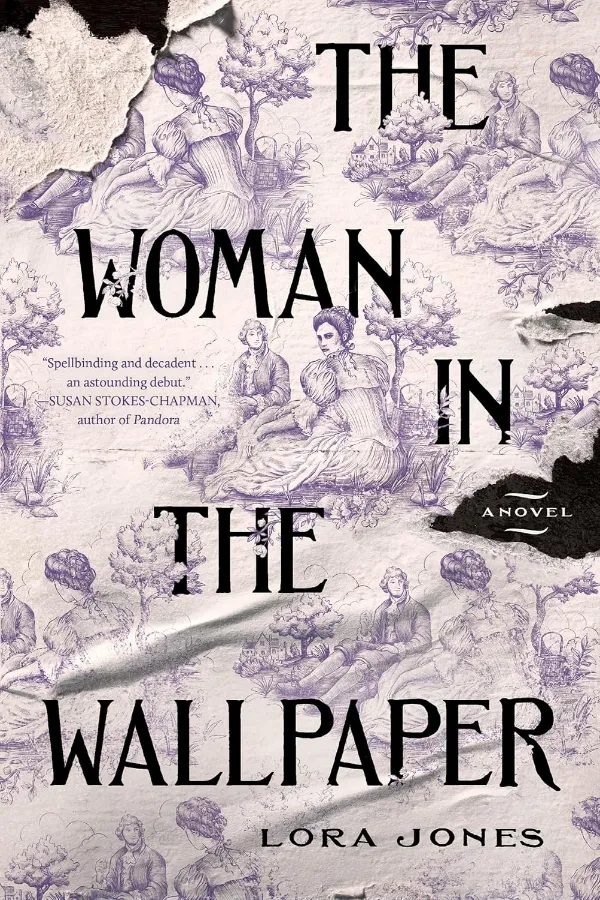
The Woman In the Wallpaper

Le prix initial était : 310 MAD.125 MADLe prix actuel est : 125 MAD.
The Life of Herod the Great

Le prix initial était : 275 MAD.115 MADLe prix actuel est : 115 MAD.
The Last Bookshop in London: A Novel of World War II
Le prix initial était : 385 MAD.145 MADLe prix actuel est : 145 MAD.
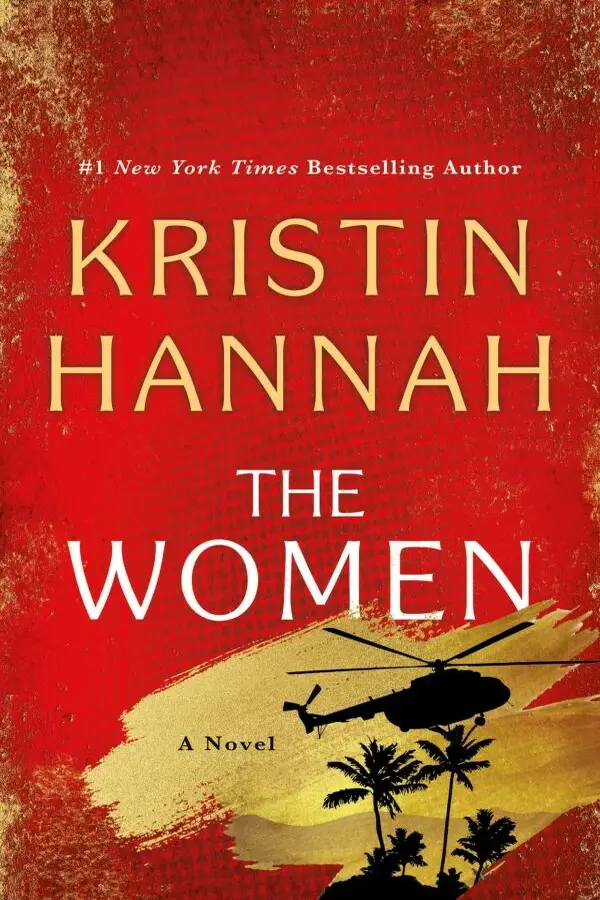
The Women
Le prix initial était : 185 MAD.90 MADLe prix actuel est : 90 MAD.
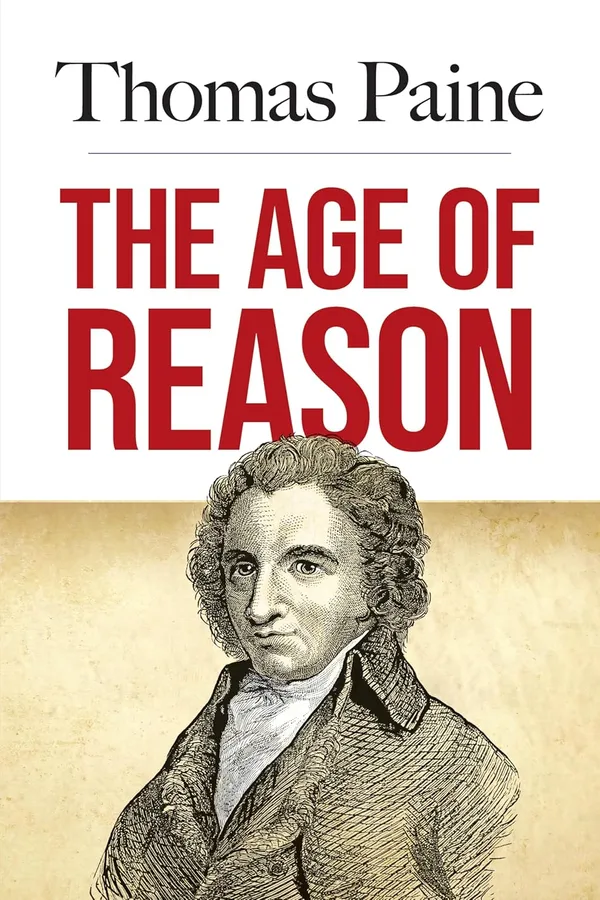
The Age Of Reason

Le prix initial était : 245 MAD.105 MADLe prix actuel est : 105 MAD.
Musashi’s Dokkodo (The Way of Walking Alone)
Le prix initial était : 265 MAD.115 MADLe prix actuel est : 115 MAD.
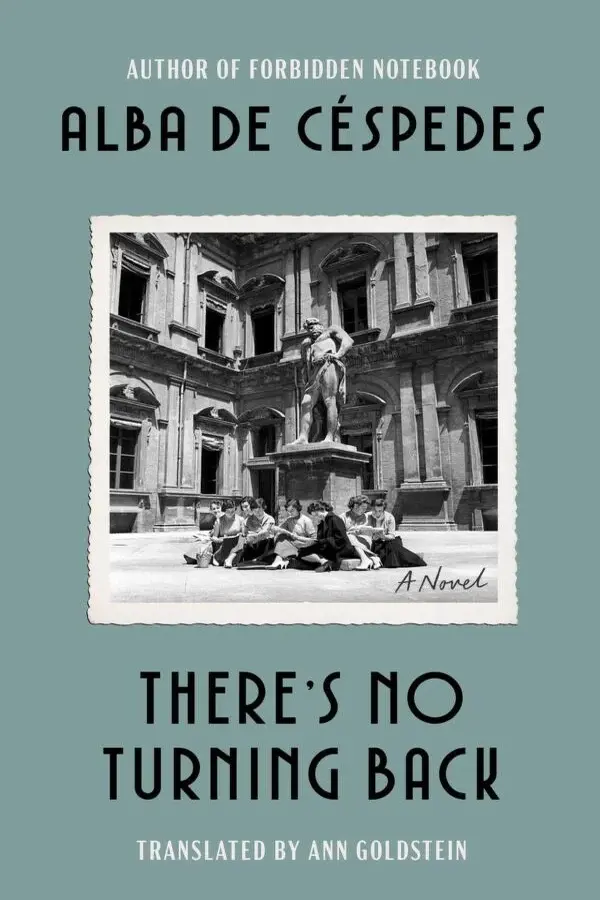
There’s No Turning Back
Le prix initial était : 845 MAD.399 MADLe prix actuel est : 399 MAD.
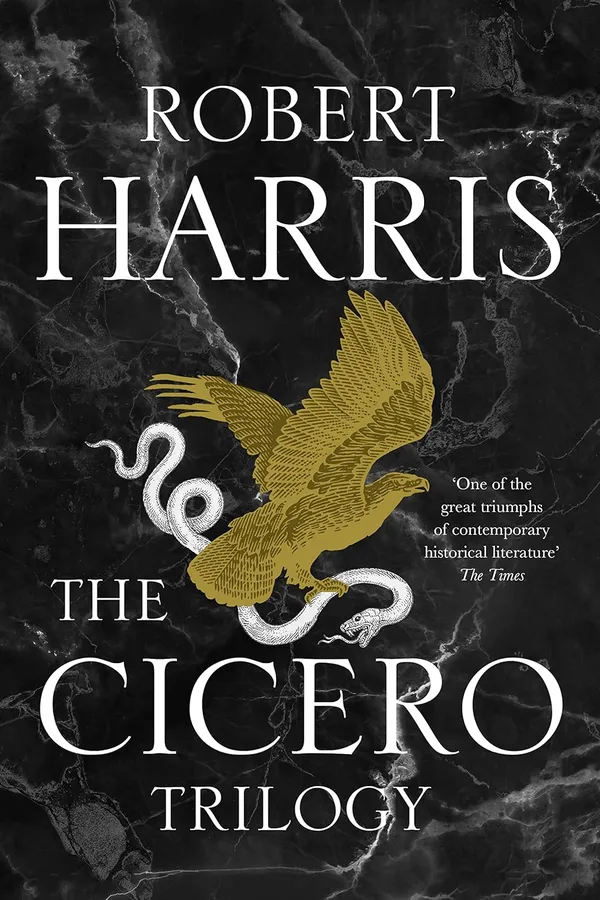
The Cicero Trilogy

Le prix initial était : 240 MAD.105 MADLe prix actuel est : 105 MAD.
Voices of the Fallen Heroes

Le prix initial était : 400 MAD.150 MADLe prix actuel est : 150 MAD.

Avis
Il n’y a pas encore d’avis.