
Votre panier est vide.

Sale
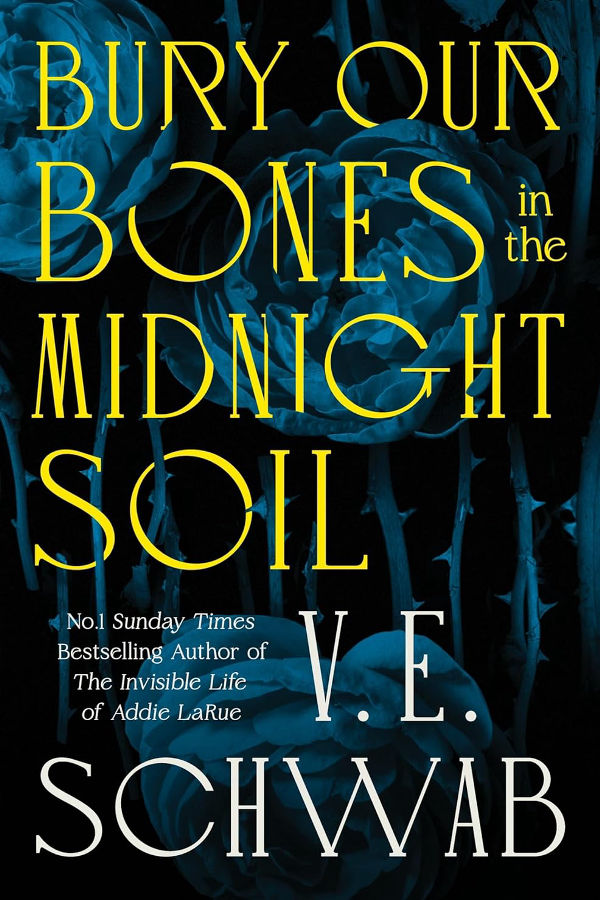
Bury Our Bones In The Midnight Soil
Le prix initial était : 390 MAD.150 MADLe prix actuel est : 150 MAD.
Immerse yourself in a haunting tale of grief, vengeance, and the supernatural with “Bury Our Bones in the Midnight Soil Morocco” by the #1 New York Times bestselling author V.E. Schwab. This atmospheric gothic fantasy follows three women connected across time by the soil and the secrets buried beneath it. Order your original copy now from Mabooko and benefit from Free Shipping and Cash on Delivery across Morocco.
Authors

Description
Bury Our Bones in the Midnight Soil Morocco is the latest atmospheric masterpiece from the visionary author V.E. Schwab, known for her lyrical prose and intricate world-building. This novel is a dark, evocative journey into a world where the earth remembers what has been planted within it, and where the dead do not always stay quiet. At Mabooko, we are proud to celebrate the release of Bury Our Bones in the Midnight Soil Morocco, ensuring that readers from Tangier to Agadir have access to high-quality, original editions of the world’s most compelling stories.
Table of Contents
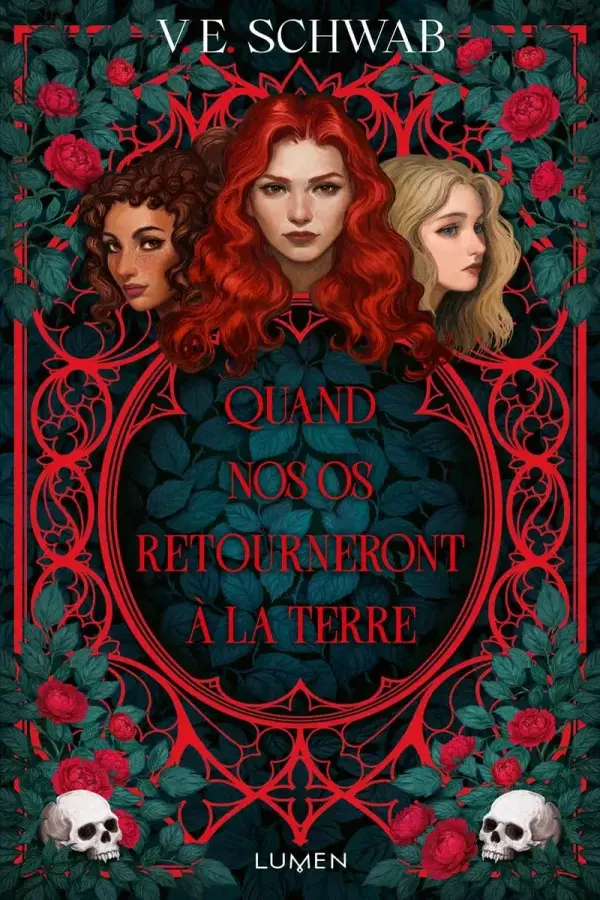
Dans Bury Our Bones in the Midnight Soil Morocco, the earth acts as both a tomb and a cradle. Schwab weaves a multi-generational tapestry of sorrow and power that challenges our perceptions of life and legacy. The narrative centers on the uncanny connection between three women whose lives are separated by centuries but united by a shared sense of loss and the magical properties of the soil. As you delve deeper into the pages, you will find that the secrets of the past are never truly buried, but rather waiting for the right moment to bloom.
Exploring the Gothic Depth of Bury Our Bones in the Midnight Soil Morocco
The storytelling in Bury Our Bones in the Midnight Soil Morocco is deliberate and haunting, allowing the reader to soak in the lush, dark imagery that Schwab is world-famous for. As the secrets of the midnight soil begin to unfurl, the boundaries between life and death, and past and present, start to blur into a beautiful, terrifying dance. For readers in Morocco looking for a book that challenges the senses and stays with them long after the final page, this title is an essential addition to any curated bookshelf. Every chapter of Bury Our Bones in the Midnight Soil Morocco brings a new layer of psychological depth, examining how grief can transform a person into something entirely new.
This book is not just a fantasy; it is a meditation on the enduring strength of the female spirit in the face of absolute darkness. The atmosphere is thick with the scent of rain-dampened earth and ancient magic. Schwab captures the eerie stillness of the night and the vibrant, often violent life that exists just beneath the surface. It is a perfect choice for those who appreciate literary horror and historical settings that feel authentic yet enchanted.
Why Bury Our Bones in the Midnight Soil Morocco is a Masterpiece
V.E. Schwab has solidified her place as one of the most significant voices in modern speculative fiction, and this book proves why. Her ability to create worlds that feel both ancient and immediate is unparalleled in the industry. Fans of gothic horror will find Bury Our Bones in the Midnight Soil Morocco to be a profound evolution of her style, blending folklore with a modern sensibility. Her characters are always complex, flawed, and deeply human, making their supernatural struggles feel incredibly grounded and relatable. This balance of the fantastic and the real is what makes her writing so addictive.
At Mabooko, we understand the importance of authenticity for our customers. We are committed to providing only original books, and we are proud to offer Bury Our Bones in the Midnight Soil Morocco to the Moroccan public in its genuine format. We believe that the tactile experience of reading—the smell of the paper, the weight of the book, and the clarity of the typography—is lost with pirated or low-quality reprints. When you order from us, you are guaranteed a copy that honors the author’s work and provides the best reading experience possible.
We strive to make the process of getting your hands on new literature as seamless as possible. That is why we offer Free Shipping on all orders of Bury Our Bones in the Midnight Soil Morocco throughout the kingdom. No matter which city you reside in, our reliable delivery network ensures your book arrives safely at your doorstep. Furthermore, we know that convenience is key for the Moroccan shopper, which is why we provide Paiement à la livraison. (COD). You can order with absolute confidence, knowing you only pay when you receive your package.
Don’t miss out on this dark and beautiful journey into the heart of the earth. Bury Our Bones in the Midnight Soil Morocco is waiting to be discovered by those brave enough to dig deep into its mysteries. At Mabooko, we make it our mission to bring the world’s best literature to Morocco with the highest level of service and care. Order Bury Our Bones in the Midnight Soil Morocco today and experience the magic, the mystery, and the exquisite darkness of V.E. Schwab’s latest triumph.
Avis (0)
Le prix initial était : 370 MAD.140 MADLe prix actuel est : 140 MAD.
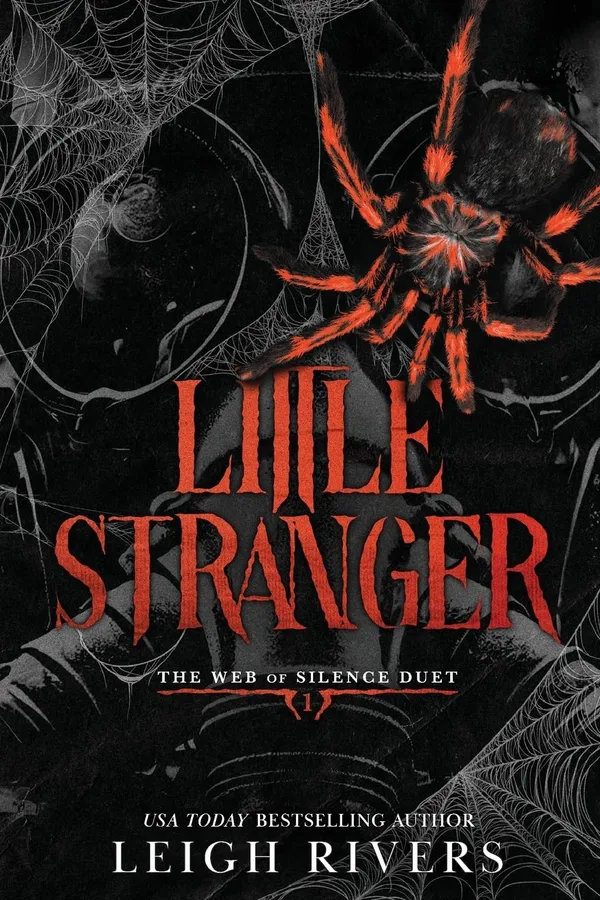
Little Stranger: A Dark Taboo Romance (The Web Of Silence Duet Book 1)

Le prix initial était : 200 MAD.95 MADLe prix actuel est : 95 MAD.
The Double
Le prix initial était : 285 MAD.120 MADLe prix actuel est : 120 MAD.
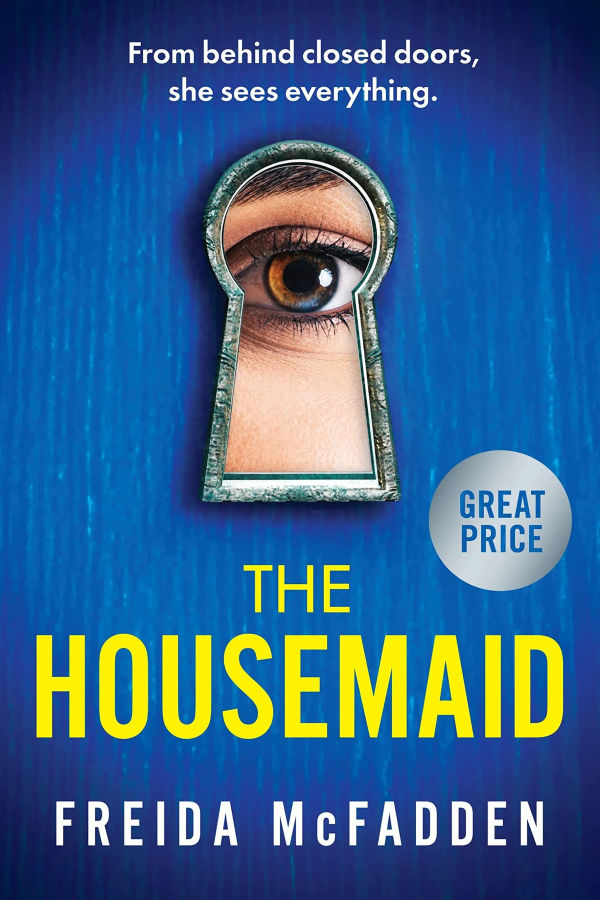
The Housemaid (The Housemaid Book 1)
Le prix initial était : 305 MAD.140 MADLe prix actuel est : 140 MAD.
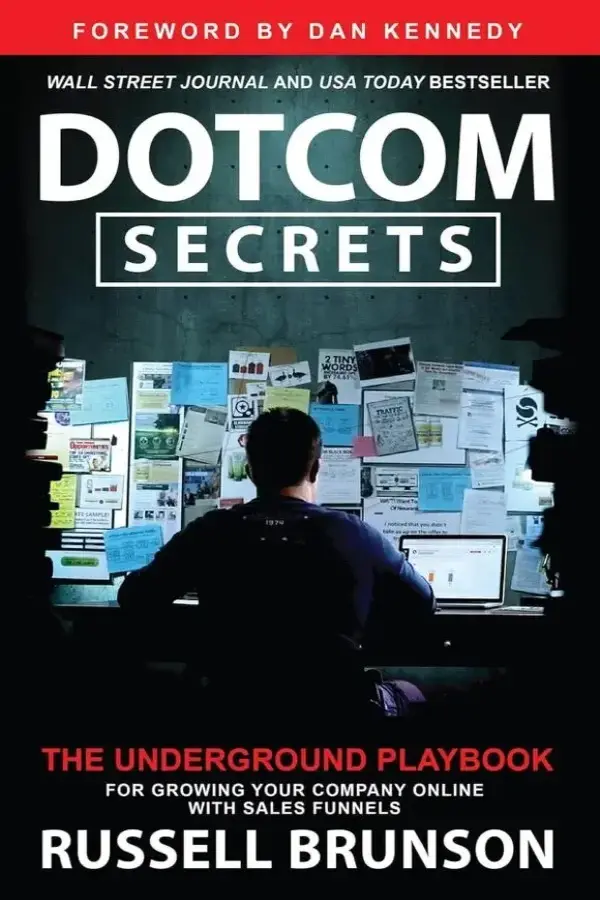
Dotcom Secrets
Le prix initial était : 310 MAD.125 MADLe prix actuel est : 125 MAD.
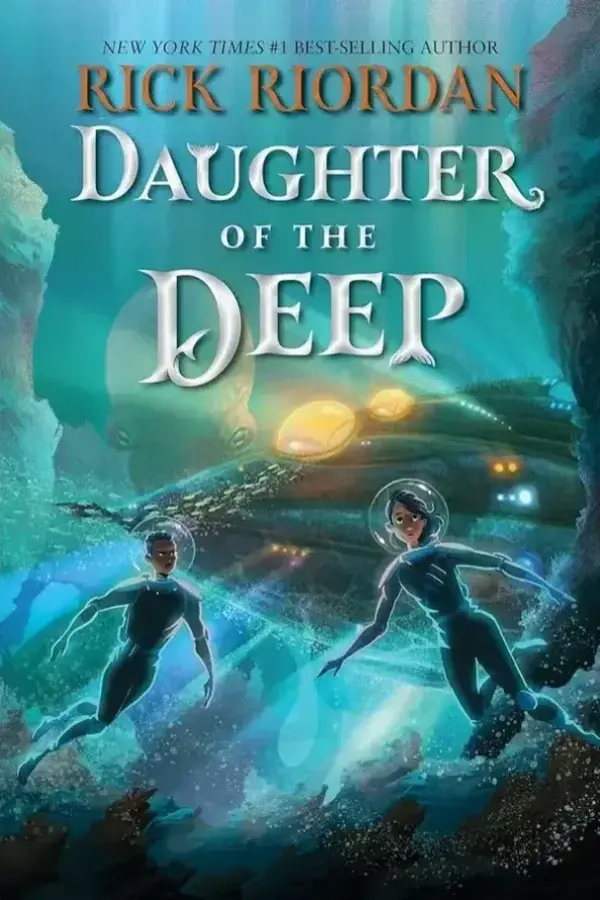
Daughter of the Deep

Le prix initial était : 320 MAD.130 MADLe prix actuel est : 130 MAD.
It Ends With Us
Le prix initial était : 275 MAD.115 MADLe prix actuel est : 115 MAD.
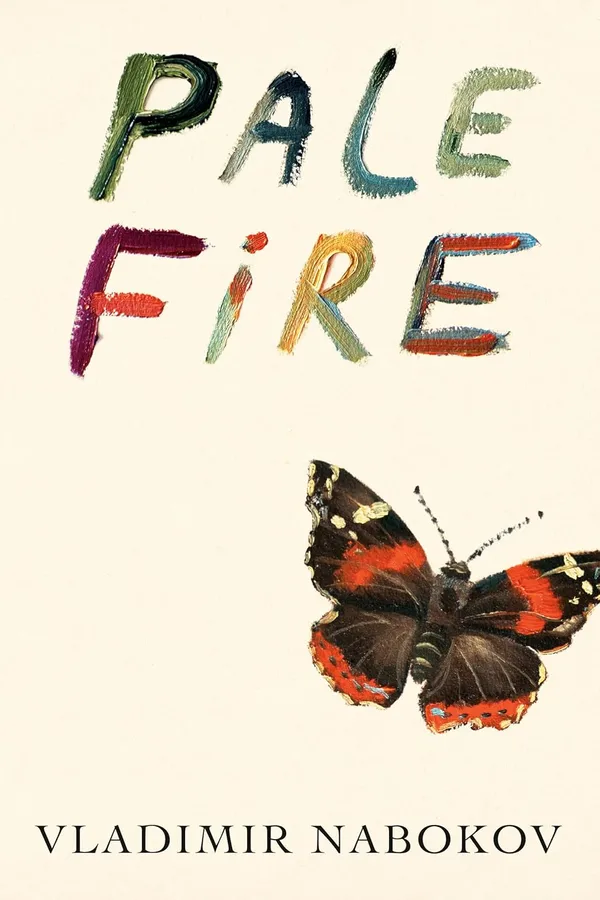
Pale Fire
Le prix initial était : 165 MAD.85 MADLe prix actuel est : 85 MAD.
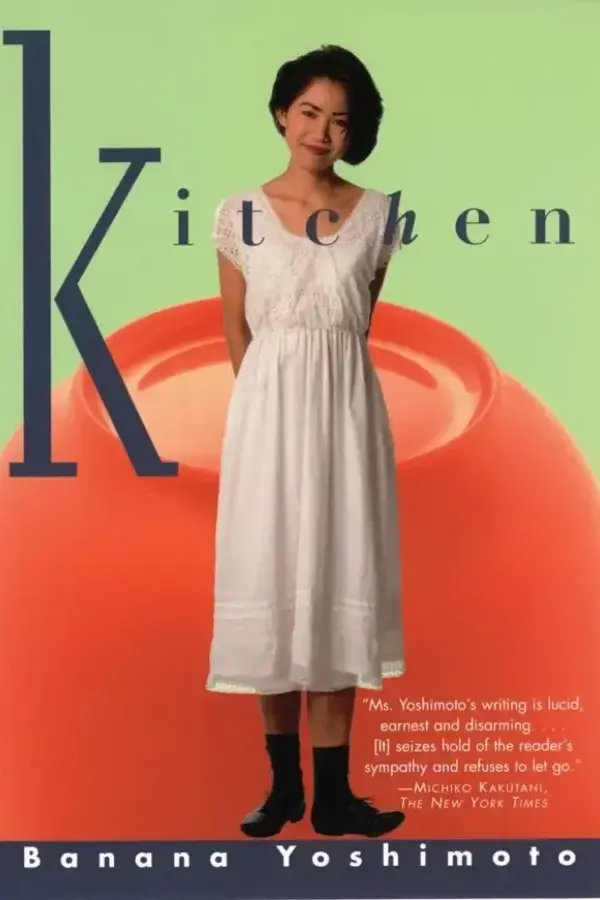
Kitchen

Le prix initial était : 475 MAD.175 MADLe prix actuel est : 175 MAD.
A Love Letter to Whiskey

Le prix initial était : 310 MAD.125 MADLe prix actuel est : 125 MAD.
Iron in the Soul
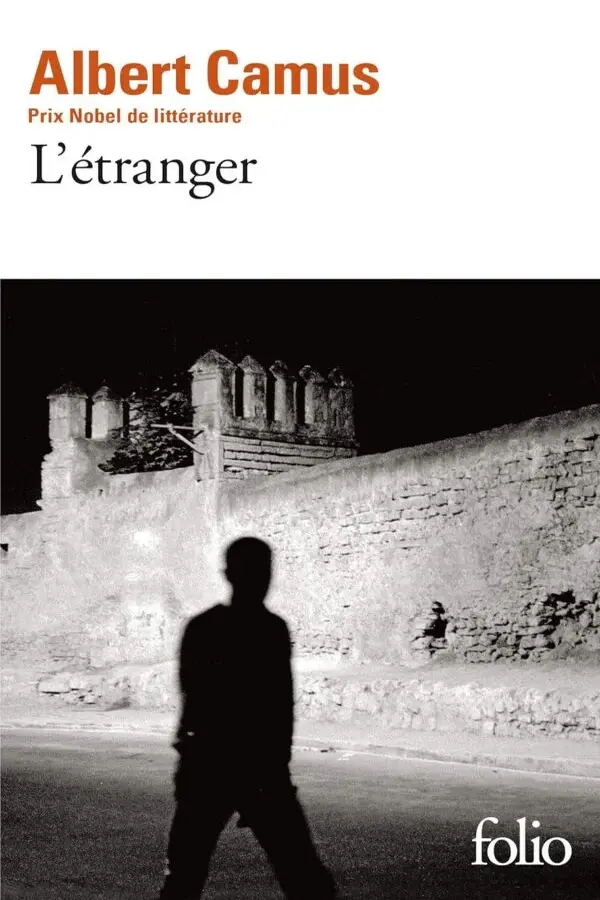
Le prix initial était : 165 MAD.85 MADLe prix actuel est : 85 MAD.
L’Étranger
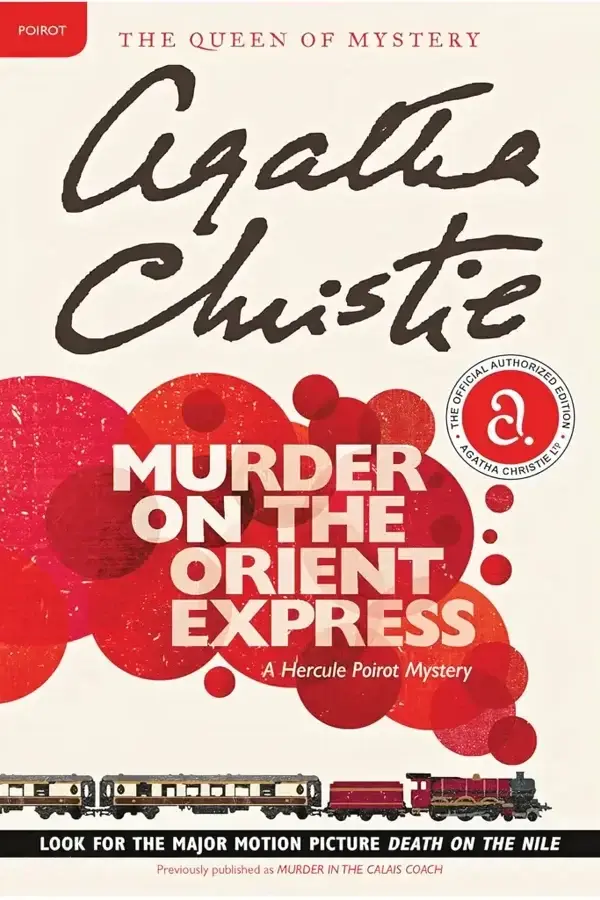
Le prix initial était : 255 MAD.110 MADLe prix actuel est : 110 MAD.
Murder on the Orient Express

Le prix initial était : 185 MAD.90 MADLe prix actuel est : 90 MAD.
Asleep

Le prix initial était : 185 MAD.90 MADLe prix actuel est : 90 MAD.
I Who Have Never Known Men
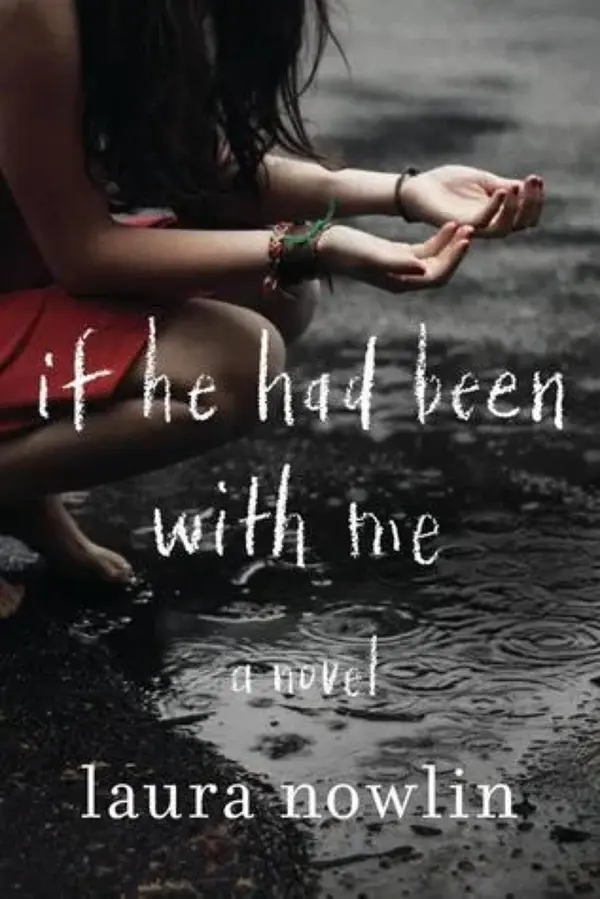
Le prix initial était : 330 MAD.130 MADLe prix actuel est : 130 MAD.

Avis
Il n’y a pas encore d’avis.