
No products in the cart.

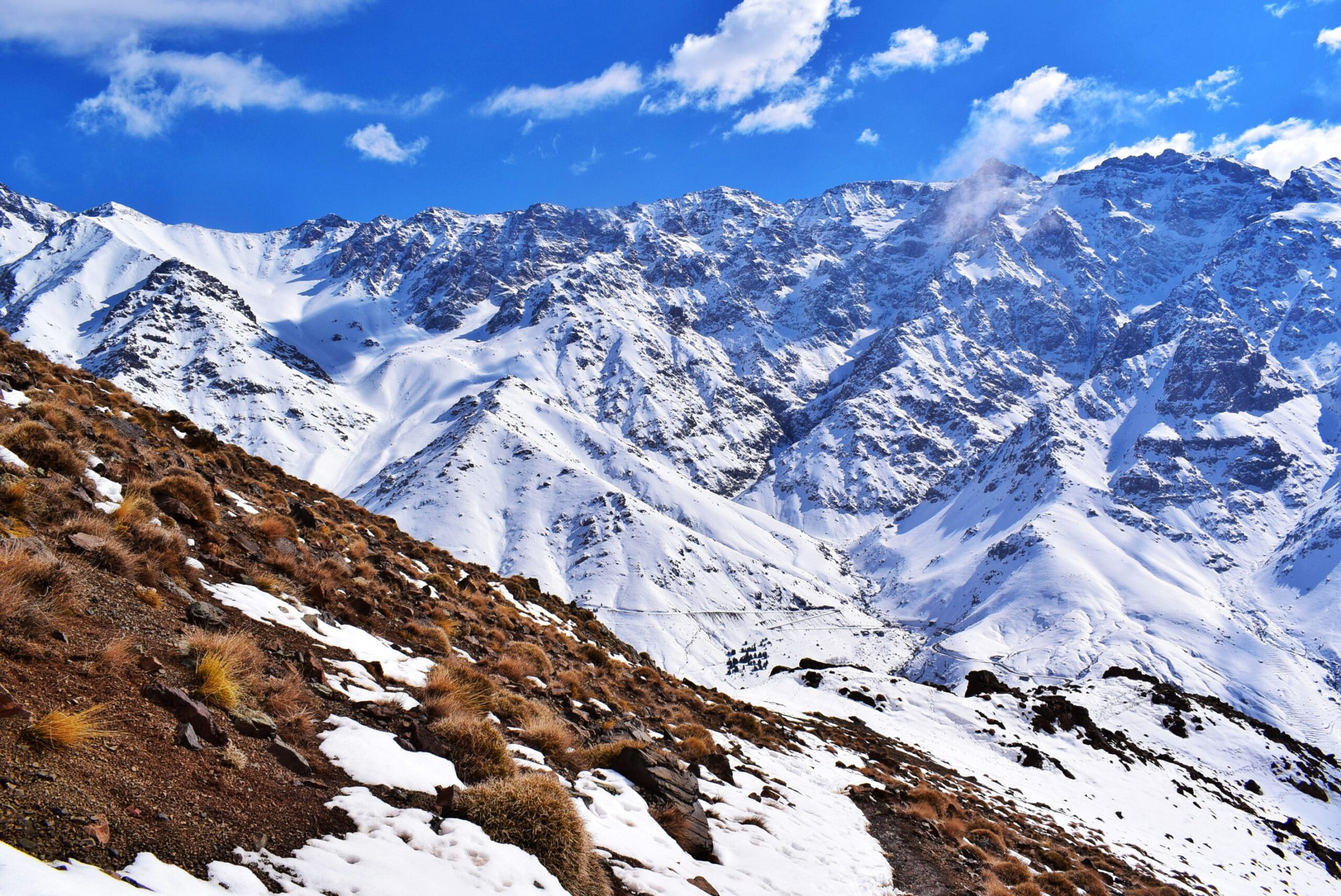
When people think of Morocco, they imagine deserts and sun. Yet high in the Atlas Mountains, winter brings snow, silence, and stories shaped by cold and endurance. Novels set in these landscapes reveal a different Morocco—quiet, powerful, and deeply human.
What Is “Winter in the Atlas” Literature?
“Winter in the Atlas” refers to novels and stories set in Morocco’s Atlas Mountains during the cold season. Snow blankets villages, roads vanish, and time seems to slow.
It is not a formal literary movement, but a shared setting and atmosphere found in many Moroccan and Morocco-based works.
1.1. A Landscape That Transforms Life
Winter reshapes everything in the Atlas Mountains:
- Villages become isolated
- Travel turns dangerous
- Ordinary routines become acts of survival
A short walk to a nearby village can be life-threatening.
A shared fire becomes a symbol of warmth, solidarity, and survival.
1.2. Winter as a Test
In Moroccan literature, winter is more than weather.
It tests:
- Human endurance
- Tradition
- Personal identity
The Atlas Mountains serve as a natural stage where strength, fear, resilience, and vulnerability are revealed side by side.
1.3.Voices and Styles
Many of these works combine:
- Realism and poetic language
- Deep roots in Amazigh (Berber) culture
- Reflections on how modern life reaches even the most remote places
They are written by both Moroccan authors and international writers inspired by travel and lived experience.
1.4. A Different Morocco
Together, these stories reveal a Morocco rarely shown in postcards:
- Cold
- Harsh
- Silent
- Beautiful
This contrast—between warmth and hardship—is what gives Winter in the Atlas literature its lasting emotional power.
Why Snowy Moroccan Landscapes Inspire Novelists
Snow changes how stories breathe. In the Atlas Mountains, winter strips life down to its basics. Food, warmth, and shelter matter more than ambition or status. This simplicity attracts novelists because it reveals character faster than any dialogue.
The snowy Atlas Mountains of Morocco create natural tension. Roads close. Villages are cut off. Help may be days away. This isolation pushes characters inward. Thoughts grow louder. Memories return. Conflicts that were hidden in warmer seasons come to the surface.
For Moroccan authors, these landscapes are deeply personal. Many grew up hearing winter stories—about blocked passes, shared bread, and long nights around the fire. Writing about Moroccan winter is often a way to preserve memory and culture before it fades.
For international writers, the Atlas offers contrast. Snow in Africa surprises readers. It challenges stereotypes and invites curiosity. The mix of cold weather, traditional life, and rich oral culture creates a setting that feels both real and unexpected.
Nature itself becomes dramatic without effort. A sudden storm can change a plot. A melting path can signal hope. Silence can speak louder than words. Novelists don’t need to exaggerate—the landscape already carries emotion.
In short, snowy Moroccan landscapes inspire writers because they slow the world down. When movement is limited, meaning deepens. In the stillness of winter, stories find space to grow.
Key Themes in Novels Set in the Winter Atlas
Winter Atlas novels return again and again to a small group of powerful themes. These themes reflect both the environment and the social realities of mountain life.
4.1. Isolation and Survival
Isolation is not just physical—it’s emotional. Snow cuts villages off from cities, families from each other, and sometimes people from hope. Characters often face long days without news, supplies, or certainty.
Survival becomes practical and symbolic. Finding firewood, protecting animals, or crossing a frozen path mirrors inner struggles. Many Moroccan novels show how survival depends on cooperation. No one survives winter alone.
This theme reminds readers that resilience is not heroic shouting. It is quiet persistence. A woman baking bread in freezing air. A child walking hours to deliver medicine. These small acts carry the weight of life.
4.2. Tradition and Modern Change
Winter highlights tradition. Old customs—storytelling, shared meals, collective labor—become essential. In the cold, tradition is not nostalgia; it is survival knowledge passed down through generations.
At the same time, modern change knocks at the door. Roads, schools, mobile phones, and migration slowly reach the mountains. Many novels explore the tension between holding on and letting go.
Characters often stand between two worlds: ancestral values and modern promises. Winter slows change, allowing writers to examine it carefully, without rushing to judgment.
4.3. Nature as a Living Character
In these novels, nature is never just background. Snow, wind, and mountains act like silent characters with their own moods and power.
The Atlas Mountains of Morocco can protect or threaten. A gentle snowfall can bring beauty and calm. A storm can erase paths and lives. Writers often describe nature with human traits—angry winds, patient mountains, cruel cold.
This approach reflects a deep respect for the land found in Moroccan literature. Humans do not dominate nature; they negotiate with it. Nature listens, but never obeys.
By treating nature as alive, these novels remind readers that humans are guests in the mountains, not masters.
Types of Novels Set in Snowy Moroccan Landscapes
Winter Atlas stories come in many forms. The setting unites them, but style and purpose vary widely.
5.1. Literary Fiction and Character-Driven Stories
These novels focus on inner lives. Plot moves slowly, like winter itself. The snow creates space for reflection, memory, and emotional change.
Characters may be shepherds, teachers, widows, or children. The drama comes from relationships, not events. A silence between siblings can matter more than a storm.
Moroccan novels in this category often use simple language with deep meaning. They invite readers to sit with characters, not rush through pages. These books reward patience and emotional attention.
5.2. Historical and Postcolonial Novels
Some novels use the winter Atlas as a backdrop for larger historical stories. Colonial encounters, resistance, migration, and identity unfold against snowy peaks.
Winter amplifies hardship and injustice. It exposes inequalities and tests loyalty. In postcolonial Moroccan literature, the mountains often symbolize resistance—hard to control, impossible to fully conquer.
These books connect personal stories to national history, showing how global forces reach even the most remote places.
5.3. Mysteries, Fables, and Magical Realism
Snow invites mystery. Limited visibility, silence, and isolation create perfect conditions for secrets.
Some novels blend realism with folklore. Spirits, legends, and dreams enter the story naturally. This reflects Morocco’s rich oral traditions, where myth and reality often walk together.
Magical realism in snowy settings feels grounded rather than fantastical. The cold makes the unreal feel believable, as if winter thins the line between worlds.
Notable Novels Set in the Winter Atlas Mountains
While not every novel explicitly centers on snow, many powerful works use the Atlas Mountains and winter conditions to shape their stories.
6.1. Classic Works by Moroccan Authors
Classic Moroccan literature often touches the mountains indirectly, yet meaningfully. Writers like Mohamed Choukri, Driss Chraïbi, and others explored rural hardship, migration, and identity shaped by harsh landscapes.
Though not always focused on snow, their stories reflect mountain life values: endurance, pride, and silence. Winter appears as memory, metaphor, or turning point.
These novels laid the groundwork for later writers to explore the Atlas more directly. They showed that Moroccan novels could center rural voices and harsh environments without romanticizing them.
6.2. Contemporary Moroccan Voices
Modern Moroccan authors are increasingly returning to the mountains. They write about disappearing villages, climate change, education, and generational shifts.
Winter in these novels often represents a pause—a moment to reflect before change becomes permanent. Snow-covered villages stand at the edge of history.
Many of these books are available in Arabic and French, with growing numbers translated into English. They bring fresh perspectives while honoring older storytelling traditions.
6.3. International and Travel-Inspired Novels
Several international writers have set novels in the Atlas Mountains of Morocco after living or traveling there. Their outsider perspective often focuses on contrast: snow in Africa, isolation near global routes.
When done well, these novels show respect and curiosity. They highlight shared human experiences rather than exotic difference.
These books often serve as entry points for readers new to Moroccan literature, opening the door to deeper exploration.
Benefits of Reading Winter-Themed Moroccan Novels
Reading winter-themed Moroccan novels offers more than entertainment. It expands perspective.
First, these books challenge simple ideas about Morocco. They show diversity of climate, culture, and experience. Morocco is not one story—it is many.
Second, winter settings encourage slow reading. These novels reward attention. They help readers reconnect with patience in a fast world.
Third, they build empathy. Harsh conditions highlight universal struggles: family, survival, dignity, and change. Even if you’ve never seen snow in the Atlas, you understand the emotions.
Finally, these books connect reading to place. They make geography feel alive. After reading, mountains are no longer lines on a map—they are lived spaces.
How to Choose the Right Atlas Winter Novel for You
Choosing the right book depends on what you want to feel and learn.
8.1. Based on Mood and Season
If you want calm and reflection, choose literary fiction with slow pacing. These books pair well with quiet evenings.
If you want tension and movement, look for mysteries or historical novels. Winter heightens drama.
Reading a Moroccan winter novel during colder months can deepen the experience, but they also offer cool contrast in summer.
8.2. Based on Cultural Depth vs. Plot
Some readers prefer strong plots. Others enjoy cultural detail. If you want story-driven books, choose novels with clear conflicts and goals.
If you enjoy learning through atmosphere, choose character-driven Moroccan literature. These books teach culture through daily life, not explanation.
8.3. Based on Reading Experience Level
New readers may prefer shorter novels or clear language. Many modern Moroccan novels are accessible and emotionally direct.
Experienced readers may enjoy layered narratives, symbolism, and slower pacing.
Translations matter too. A good translation preserves rhythm and simplicity. Always check reviews when choosing translated works.
How These Novels Connect Travel, Culture, and Storytelling
Winter Atlas novels sit at the crossroads of travel and story. They allow readers to visit without moving.
Unlike travel guides, these books show inner landscapes. They reveal how people think, remember, and hope.
For those who have traveled to Morocco, these stories add depth. For those who haven’t, they offer honest introduction.
They remind us that culture is lived daily, not displayed. Snow-covered villages, shared meals, and quiet endurance become the heart of storytelling.
Frequently Asked Questions
10.1. Are there many novels set in snowy parts of Morocco?
Not many focus only on snow, but many include winter Atlas settings as key moments.
10.2. Do I need prior knowledge of Moroccan culture to enjoy these books?
No. Most novels explain culture naturally through story.
10.3. Are these novels more literary or easy to read?
Both exist. Many balance simple language with deep themes.
10.4. Are the Atlas Mountains snowy year-round?
No. Snow falls mainly in winter, especially at higher altitudes.
10.5. Do these books focus more on setting or story?
Often both. Setting and story are deeply connected.
10.6. Are there English translations available for Moroccan winter novels?
Yes, and more are appearing each year.
10.7. Are these novels suitable for travel or winter reading lists?
Absolutely. They fit perfectly into seasonal and travel-inspired reading lists.
