
No products in the cart.

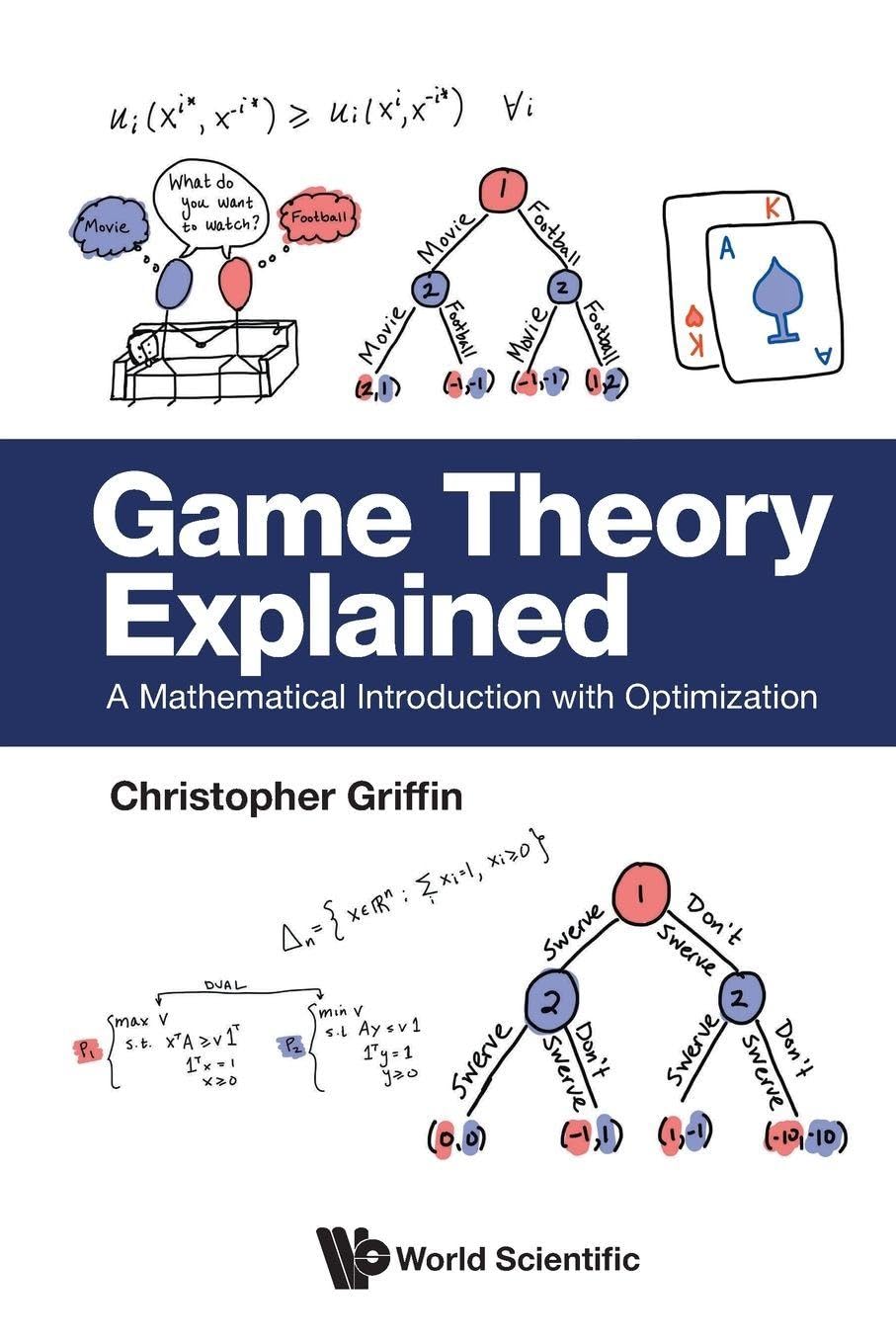
Game Theory Explained: A Mathematical Introduction with Optimization
115,00 د.م.
This book dives into the world of game theory with a strong mathematical backbone, perfect for readers who appreciate precision and depth. It begins with simple probabilistic models from gambling and grows into full-fledged strategic analysis. You’ll explore how people make decisions when outcomes depend on others’ choices. The blend of classical theory and optimization gives a fresh perspective rarely seen in introductory texts. Concepts are built step-by-step, supported by proofs and practical illustrations. It’s ideal for self-study or coursework in applied math or economics. Clear writing meets rigorous thinking without losing sight of understanding. A smart, structured guide to mastering strategic logic. 📚🧮🎯
Authors

Description
This book offers a clear and structured introduction to the mathematical foundations of game theory, blending classical approaches with modern optimization techniques. Written in a theorem-proof-example style, it’s designed for readers who want not only to understand key results but also to see how they are rigorously derived. Starting with the basics of probability through the lens of casino games, the author builds a strong foundation before moving into more complex topics like utility theory, strategic decision-making, and game trees. The logical progression makes it accessible to students and self-learners with some background in mathematics.
The first part of the book focuses on core concepts in non-cooperative game theory, including zero-sum games, the minimax theorem, and Nash’s groundbreaking proof of mixed strategy equilibria in general sum games. These ideas are illustrated with practical examples that help clarify abstract principles. The second part shifts toward optimization, introducing tools like the Karush–Kuhn–Tucker conditions and showing how game-theoretic problems can be reformulated as optimization tasks. This unique angle allows readers to compute equilibria using well-established mathematical methods, bridging two important fields in applied math.
In the third section, the book explores cooperative game theory, where players can form coalitions and negotiate payoffs. What sets this treatment apart is the innovative framing of Nash bargaining as a multi-criteria optimization problem. The author revisits linear programming and duality to deliver an elegant proof of the Bondareva–Shapley theorem, making advanced material surprisingly approachable. These connections between seemingly separate areas highlight the unity of mathematical thinking and reinforce the value of interdisciplinary tools in solving complex problems.
Two appendices provide essential background material, ensuring that readers aren’t left behind due to gaps in prior knowledge. Additionally, a bonus appendix introduces evolutionary game theory and replicator dynamics—an area the author actively researches—giving instructors flexibility to include contemporary content. This feature makes the book suitable not just for standard courses but also for seminars or independent study exploring modern applications in biology, economics, or network science.
Grounded in real-world relevance and academic rigor, Game Theory Explained serves both as a classroom textbook and a reference for researchers interested in the mathematical side of strategic interaction. With its emphasis on proofs, problem-solving, and cross-disciplinary methods, it stands out among introductory texts. Whether you’re a student in math, economics, or engineering, or simply a curious mind drawn to logic and strategy, this book provides a solid, well-organized path into one of the most fascinating areas of applied mathematics.
Reviews (0)

Original price was: 320,00 د.م..130,00 د.م.Current price is: 130,00 د.م..
Life 3.0: Being Human in the Age of Artificial Intelligence

Original price was: 180,00 د.م..105,00 د.م.Current price is: 105,00 د.م..
How the Body Works: The Facts Simply Explained

Original price was: 275,00 د.م..115,00 د.م.Current price is: 115,00 د.م..
HWJN


Sale
Select options
This product has multiple variants. The options may be chosen on the product page
Price range: 120,00 د.م. through 130,00 د.م.
Shatter Me (Shatter Me Book 1)

115,00 د.م.
Think Again

110,00 د.م.
Frankenstein

Original price was: 255,00 د.م..110,00 د.م.Current price is: 110,00 د.م..
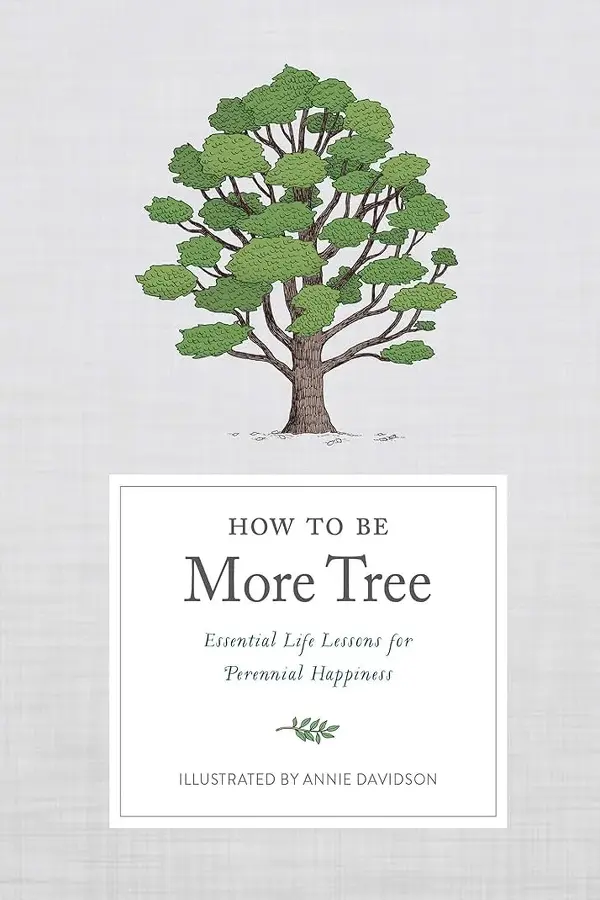
Hope for Cynics


100,00 د.م.
The Age of Reason
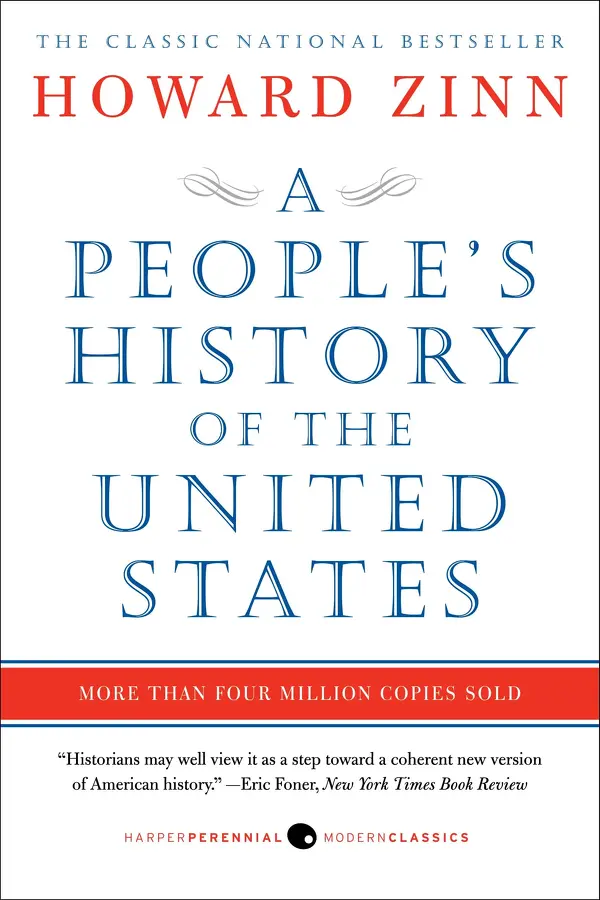
Price range: 195,00 د.م. through 215,00 د.م.
A People’s History of the United States
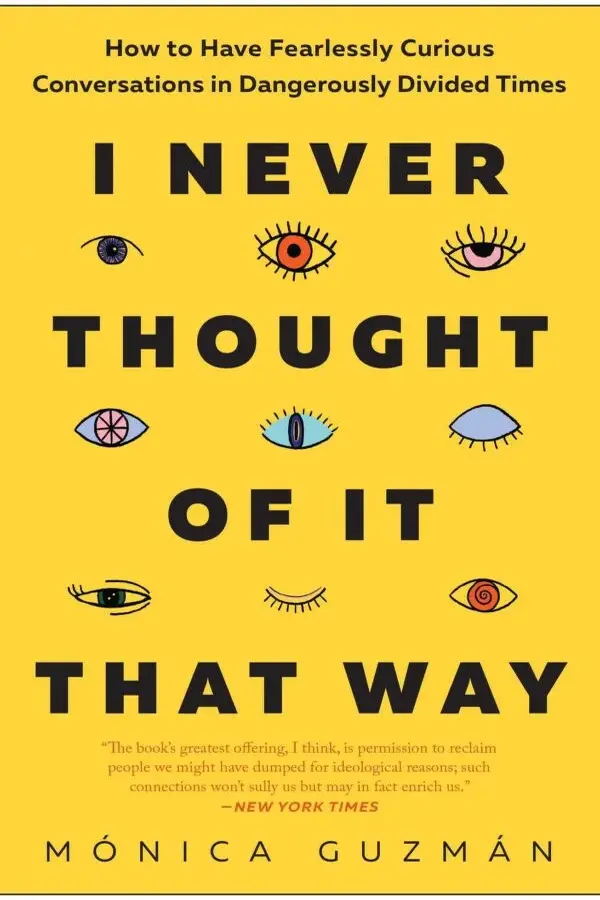
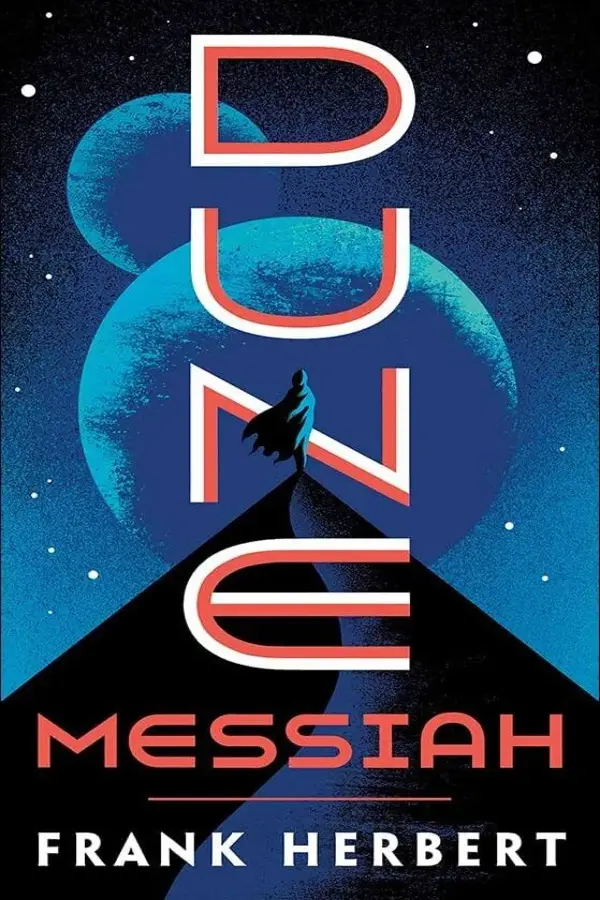
Original price was: 285,00 د.م..120,00 د.م.Current price is: 120,00 د.م..

Reviews
There are no reviews yet.