
No products in the cart.

Sale
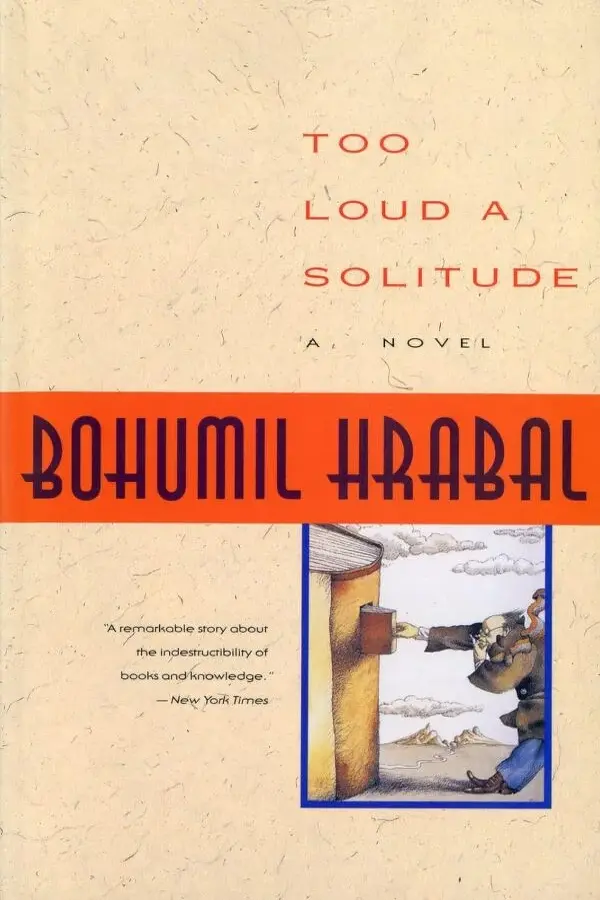
Too Loud a Solitude
Original price was: 130 MAD.75 MADCurrent price is: 75 MAD.
Too Loud a Solitude is a lyrical and deeply moving novel about the preservation of knowledge in the face of destruction. Centered on the life of Haňťa, a man who has spent thirty-five years compacting wastepaper and books in a basement, this masterpiece by Bohumil Hrabal is a celebration of the human spirit and the transformative power of literature. Purchase this original physical edition at Mabooko and benefit from our dedicated service throughout Morocco.
Rupture de stock
Authors

Description
Too Loud a Solitude is a hauntingly beautiful fable that remains one of the most significant works of twentieth-century European literature. Written by the legendary Czech author Bohumil Hrabal, the story introduces us to Haňťa, a reclusive worker who lives in a world of discarded paper and profound wisdom. At Mabooko, we are proud to offer original books like this classic, ensuring that Moroccan readers have access to authentic literature that inspires and provokes thought.
Table of Contents
The World of Too Loud a Solitude
The narrative of Too Loud a Solitude follows Haňťa, who works in a damp basement in Prague, operating a hydraulic press. For over three decades, his job has been to destroy books and wastepaper, but instead of merely destroying them, he saves the most precious volumes. He “drinks” the wisdom of the world’s greatest thinkers—Lao-tzu, Kant, and Seneca—absorbing their knowledge as he works. This internal world of high culture stands in stark contrast to the grim reality of his socialist labor, creating a poignant meditation on the permanence of ideas.
As the world around him begins to change with the introduction of new, giant industrial presses that process paper with cold efficiency, Haňťa realizes that his intimate relationship with books is under threat. Too Loud a Solitude explores the tension between the individual soul and the relentless march of modern progress. Hrabal’s prose is often described as “palavering,” a unique style that blends surrealism with everyday grit, making the reading experience both visceral and ethereal.
Get Your Original Copy from Mabooko Morocco
When you choose to shop at Mabooko, you are choosing quality and reliability. We specialize in providing original physical books to a community of readers who value the tactile experience of reading. Our mission is to make the world’s best literature accessible to everyone in Morocco. Whether you are adding a classic like this to your collection or looking for the latest bestseller, we guarantee the authenticity of every title we stock.
We believe that your shopping experience should be as enjoyable as the book itself. That is why we provide Free Shipping to all major cities and towns across the kingdom, including Casablanca, Rabat, Marrakech, and Tangier. To further enhance your convenience, we offer a hassle-free Cash on Delivery service. Simply select your favorite titles, and pay only when your order is safely delivered to your doorstep. Experience the depth of Too Loud a Solitude today by ordering from the most trusted bookstore in Morocco.
Reviews (0)

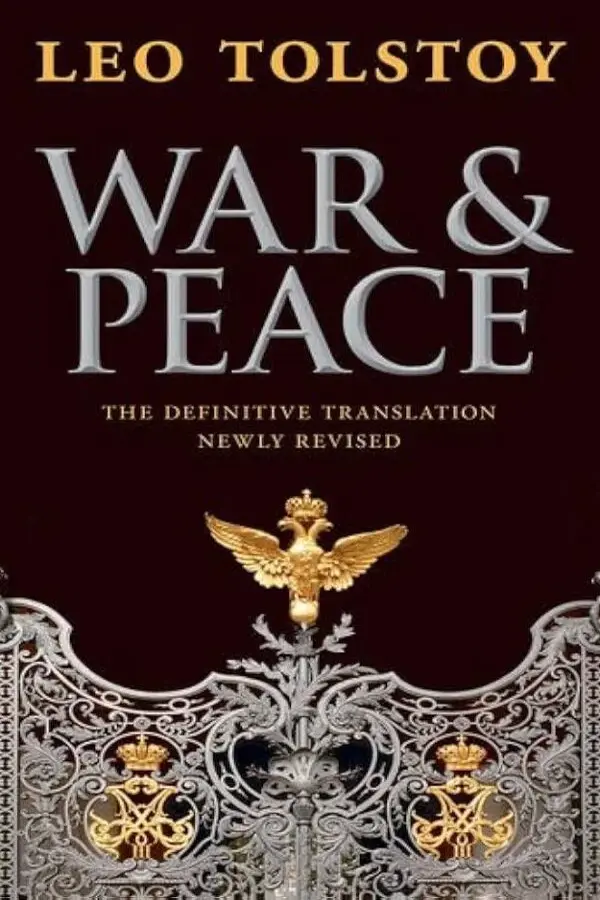
Original price was: 1,000 MAD.330 MADCurrent price is: 330 MAD.
War and Peace
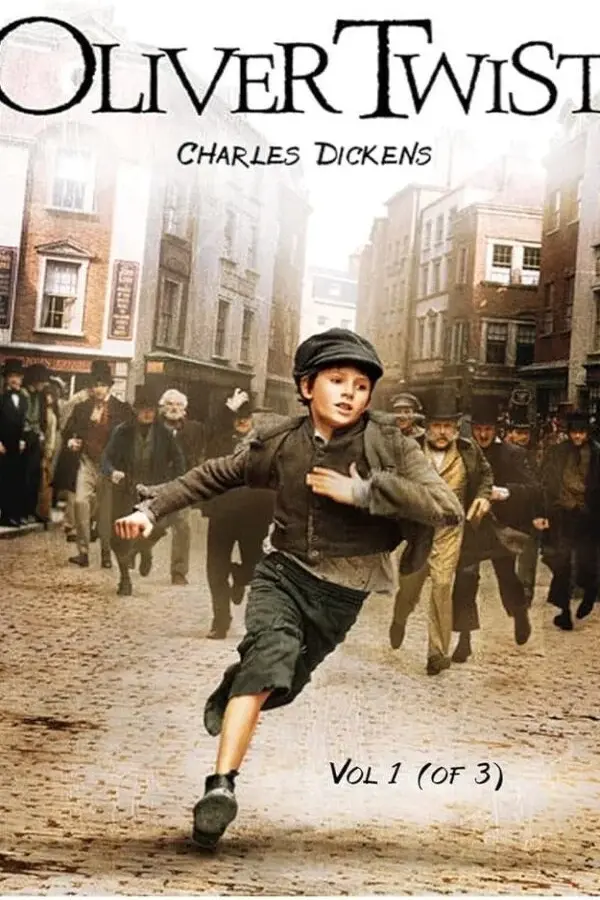
Original price was: 420 MAD.160 MADCurrent price is: 160 MAD.
Oliver Twist

Original price was: 185 MAD.90 MADCurrent price is: 90 MAD.
I Who Have Never Known Men
Original price was: 400 MAD.150 MADCurrent price is: 150 MAD.
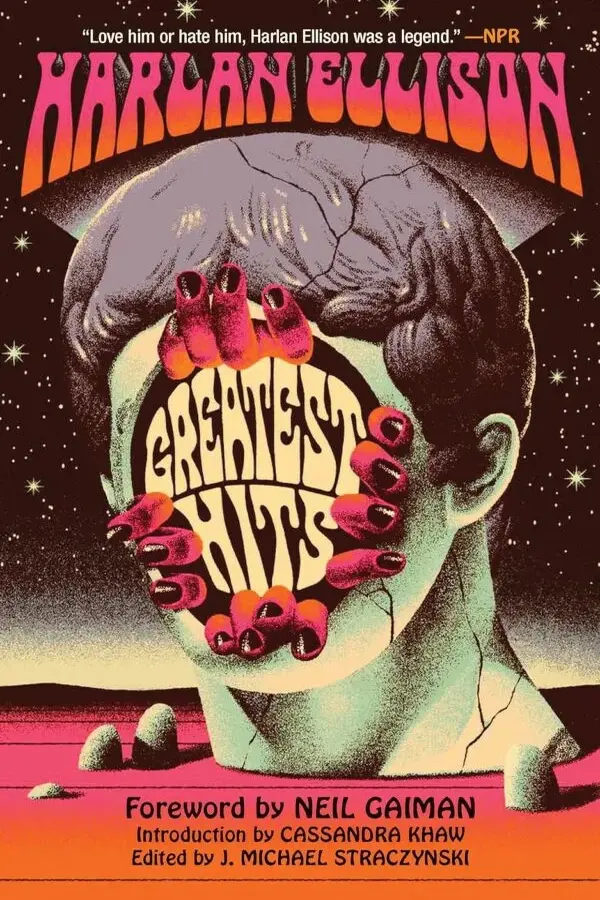
Greatest Hits

Original price was: 310 MAD.125 MADCurrent price is: 125 MAD.
Iron in the Soul
Original price was: 230 MAD.105 MADCurrent price is: 105 MAD.
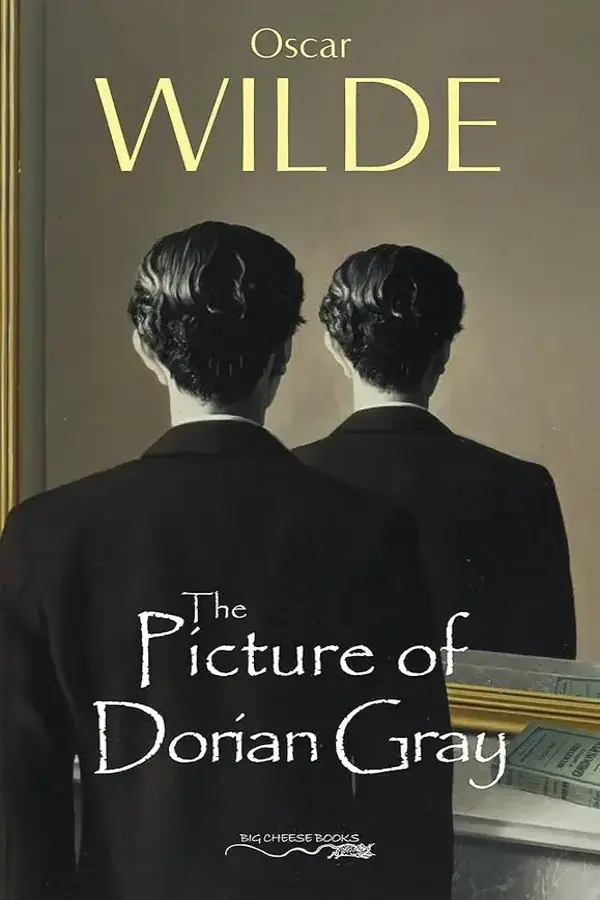
The Picture of Dorian Gray

Original price was: 220 MAD.115 MADCurrent price is: 115 MAD.
The Book of Five Rings
Original price was: 420 MAD.160 MADCurrent price is: 160 MAD.
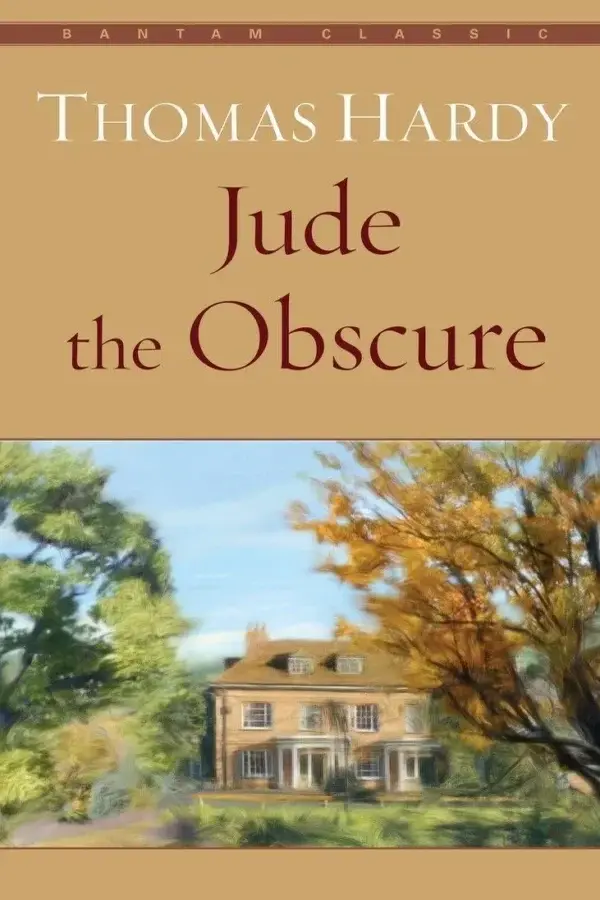
Jude the Obscure
Original price was: 150 MAD.80 MADCurrent price is: 80 MAD.
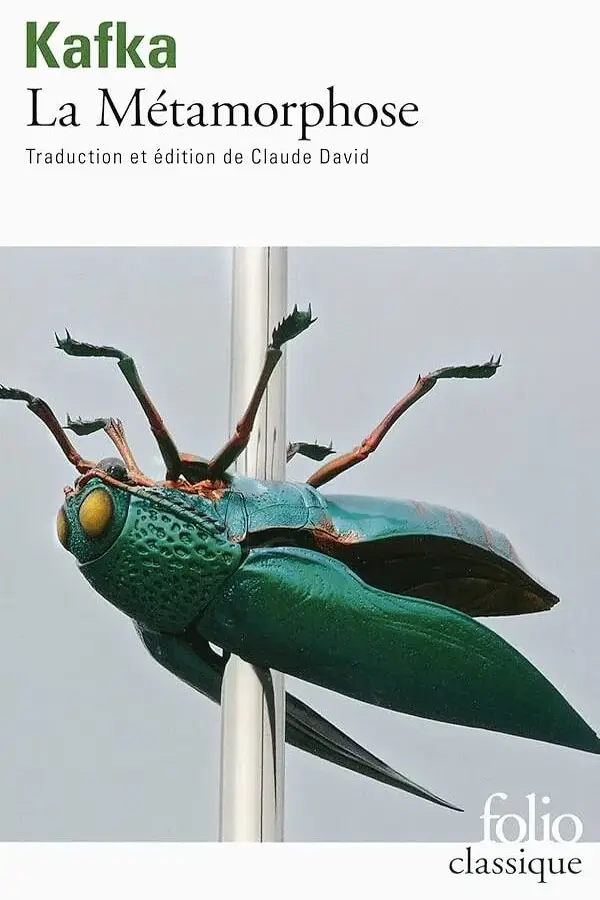
La Métamorphose
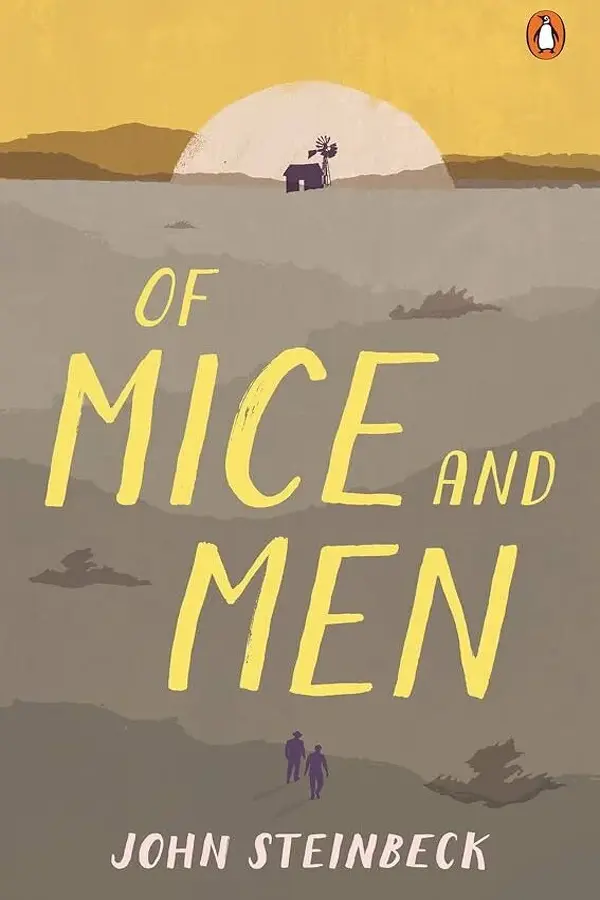
Original price was: 130 MAD.75 MADCurrent price is: 75 MAD.
Of Mice and Men
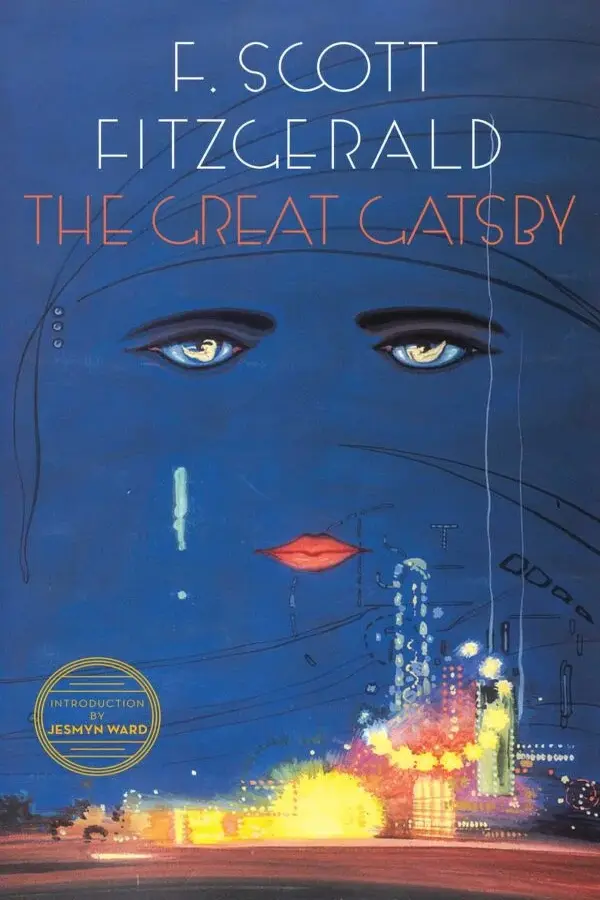
Original price was: 180 MAD.90 MADCurrent price is: 90 MAD.
The Great Gatsby
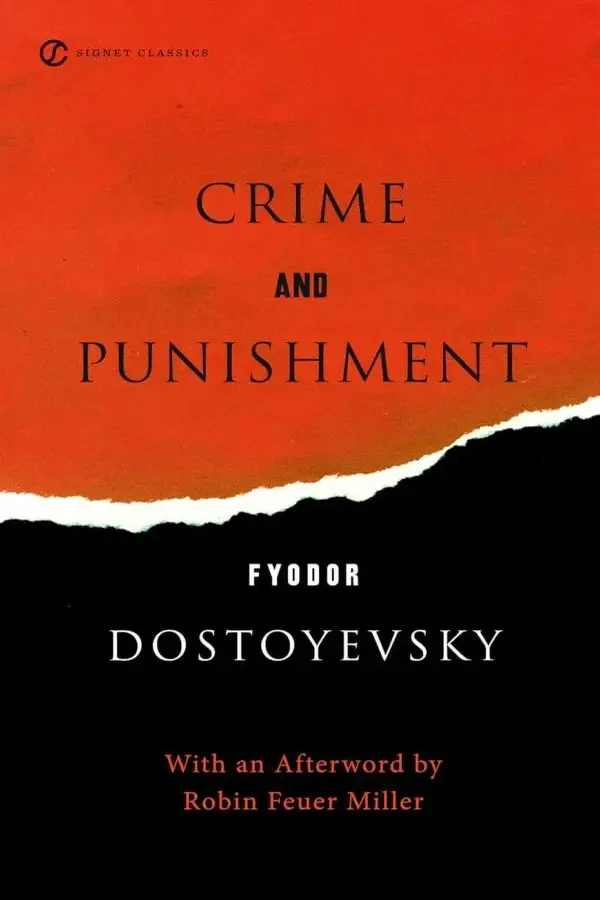
Original price was: 395 MAD.125 MADCurrent price is: 125 MAD.
Crime and Punishment

Original price was: 425 MAD.160 MADCurrent price is: 160 MAD.
Reviews
There are no reviews yet.