
No products in the cart.

Sale
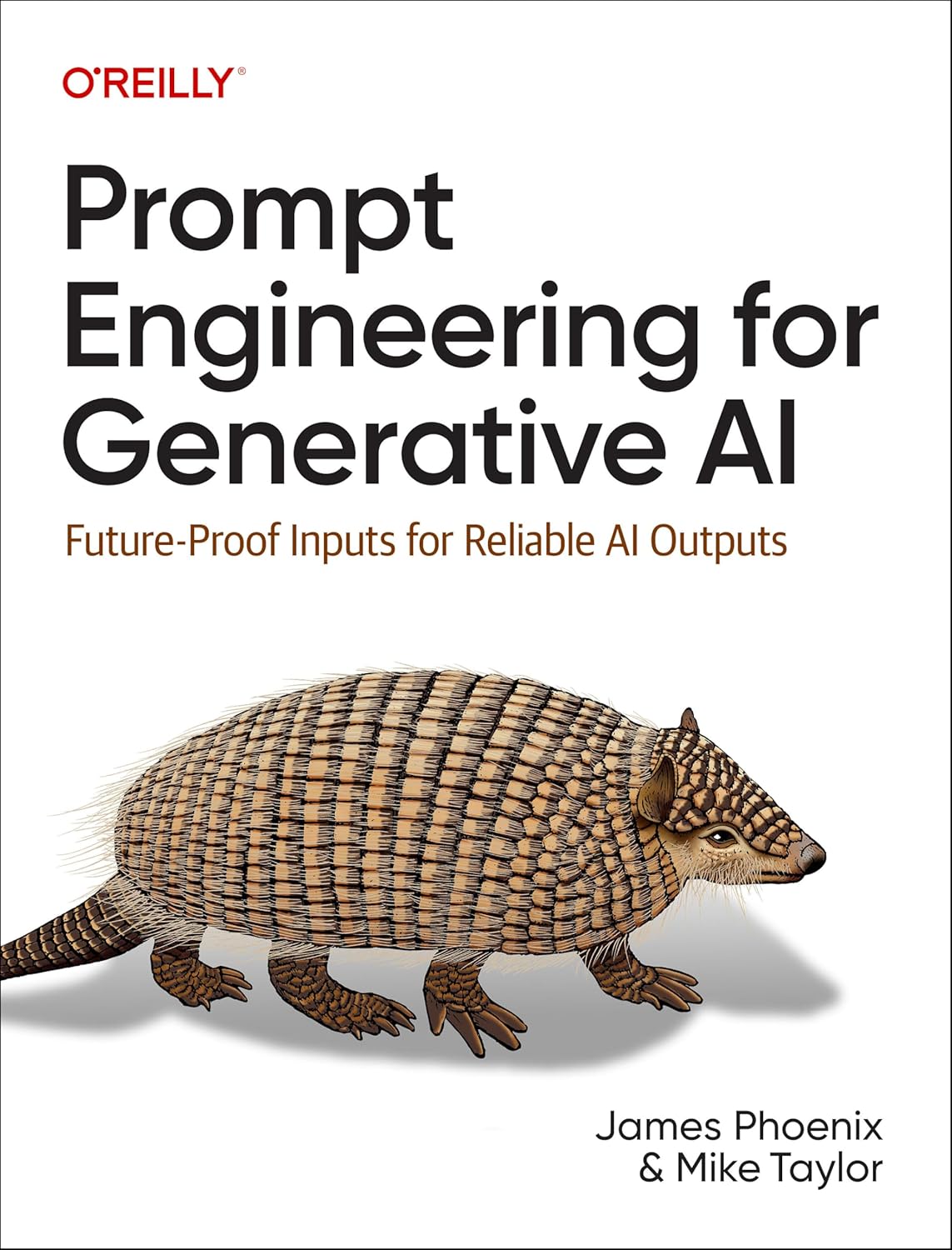
Prompt Engineering for Generative AI: Future-Proof Inputs for Reliable Al Outputs
Original price was: 345 MAD.135 MADCurrent price is: 135 MAD.
Master AI interactions with Prompt Engineering for Generative AI by James Phoenix and Mike Taylor. Shop for 100% original physical books with Free Shipping and Cash on Delivery everywhere in Morocco exclusively at Mabooko.
Rupture de stock
Authors


Description
Prompt Engineering for Generative AI by James Phoenix and Mike Taylor is the definitive, hands-on guide to mastering interaction with today’s most powerful AI systems. As artificial intelligence increasingly transforms business operations and creative workflows globally, knowing exactly how to construct the right inputs has become an absolutely critical skill. If you are a software developer, data scientist, or technology enthusiast seeking to understand the underlying mechanics behind reliable AI outputs, this premium physical book is an essential addition to your professional desktop library.
Explore Prompt Engineering for Generative AI
In this meticulously detailed manual, authors James Phoenix and Mike Taylor fully demystify the complex processes operating behind large language models (LLMs) such as ChatGPT, as well as diffusion models like Stable Diffusion. Prompt Engineering for Generative AI effectively breaks down the entire structure of the interaction chain, providing you with a remarkably clear roadmap from the initial application problem all the way to document completion. Instead of relying on frustrating guesswork or endless trial and error, readers will discover future-proof principles to consistently coax high-quality, reliable, and entirely predictable results from automated enterprise systems.
Whether you are actively working with advanced natural language processing, generating dynamic text and stunning images, or writing complex code, this physical reference book offers highly practical examples and standard industry practices. The authors draw on their vast, hands-on experience to thoughtfully explain the fine-grained steps in model training domains and demonstrate exactly how to successfully navigate the intricate architecture of modern AI models. Readers can look forward to an expertly crafted, deeply engaging learning experience that perfectly bridges the gap between theoretical artificial intelligence concepts and immediate real-world deployment.
Why Shop at Mabooko in Morocco?
When you choose to purchase your physical reading materials from Mabooko, you are always guaranteed a 100% original, brand-new edition tailored specifically for your professional learning journey. We take immense pride in reliably serving tech professionals, eager students, and avid readers located throughout Morocco. To ensure a completely seamless and highly enjoyable shopping experience, we proudly provide fast and Free Shipping directly to your home, school, or office address. Additionally, for maximum security and total peace of mind, our convenient Cash on Delivery payment option is available in every single city nationwide. Do not miss out on mastering the future of technology—secure your physical copy today!
Reviews (0)

Original price was: 390 MAD.150 MADCurrent price is: 150 MAD.
Le Placebo, C’est Vous

Original price was: 365 MAD.140 MADCurrent price is: 140 MAD.
12 Rules For Life: An Antidote To Chaos

Original price was: 180 MAD.105 MADCurrent price is: 105 MAD.
How the Body Works: The Facts Simply Explained
Original price was: 210 MAD.95 MADCurrent price is: 95 MAD.
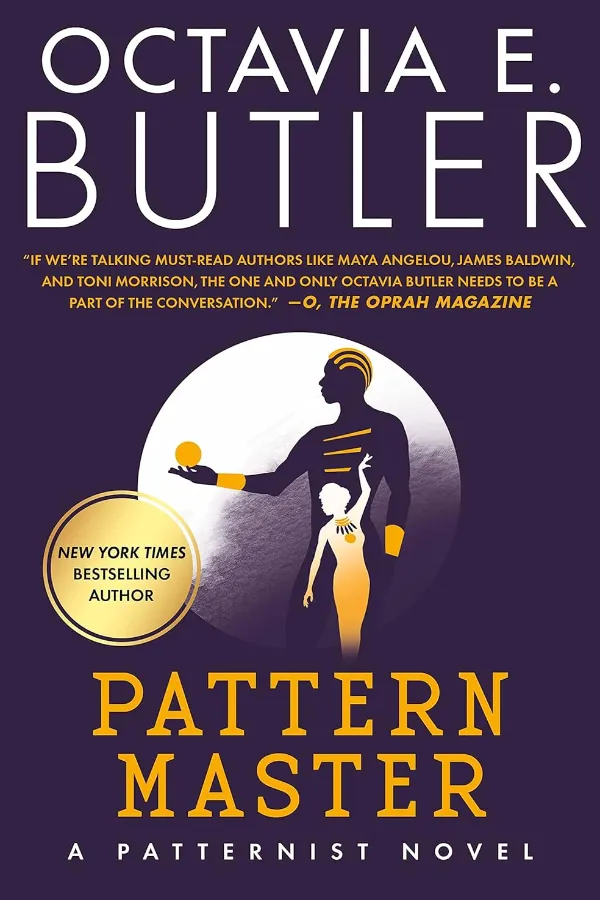
Patternmaster

Original price was: 165 MAD.85 MADCurrent price is: 85 MAD.
الأمازيغ: قصة شعب

Original price was: 340 MAD.135 MADCurrent price is: 135 MAD.
The Road to Wisdom: On Truth, Science, Faith, and Trust
Original price was: 330 MAD.130 MADCurrent price is: 130 MAD.
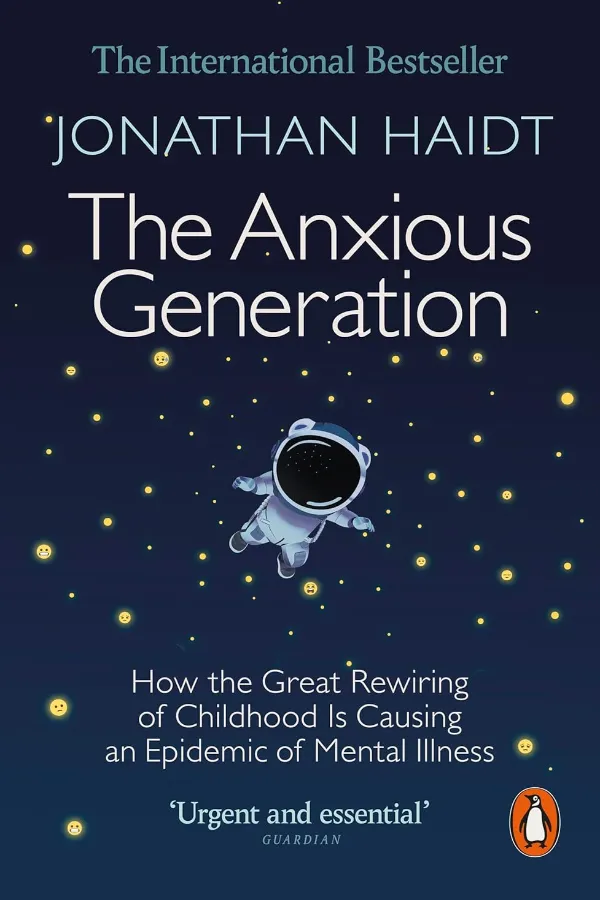
The Anxious Generation
Original price was: 255 MAD.110 MADCurrent price is: 110 MAD.
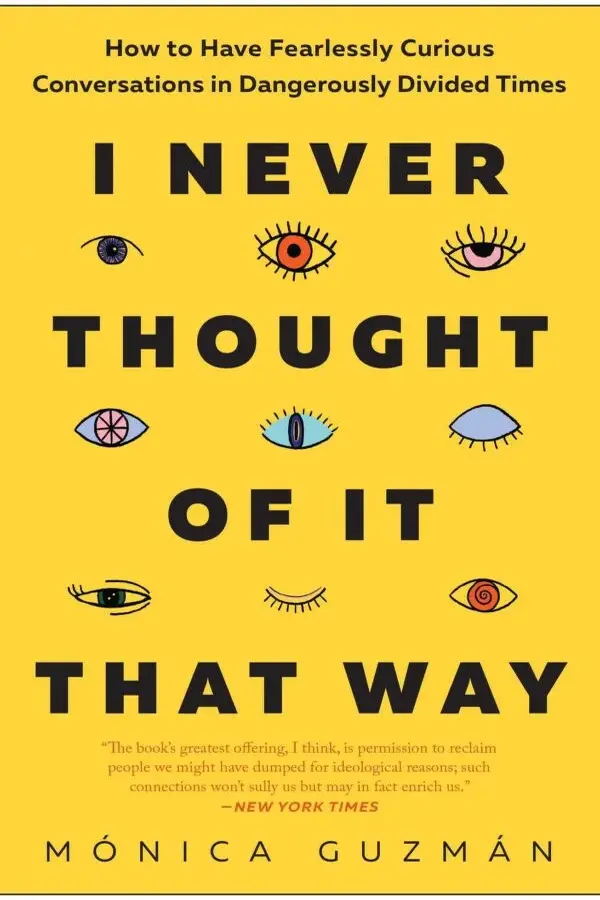
I Never Thought of It That Way: How to Have Fearlessly Curious Conversations in Dangerously Divided Times
Original price was: 95 MAD.65 MADCurrent price is: 65 MAD.
The Giving Book

Original price was: 165 MAD.85 MADCurrent price is: 85 MAD.
آلة الوعي المطلق
Original price was: 255 MAD.110 MADCurrent price is: 110 MAD.
Brave New World

Original price was: 365 MAD.140 MADCurrent price is: 140 MAD.
Twenty Thousand Leagues Under the Sea

Original price was: 170 MAD.85 MADCurrent price is: 85 MAD.
Dark Psychology And Manipulation

Original price was: 280 MAD.120 MADCurrent price is: 120 MAD.

Reviews
There are no reviews yet.